
The Timeless City — Dubrovnik
“I don’t paint to explain the world—I paint to remember how it feels.”
— Michael John Valentine
There are places in the world where history does not feel distant. It surrounds you, rises from the ground beneath your feet, and becomes part of the view before you. Dubrovnik is one of those places.
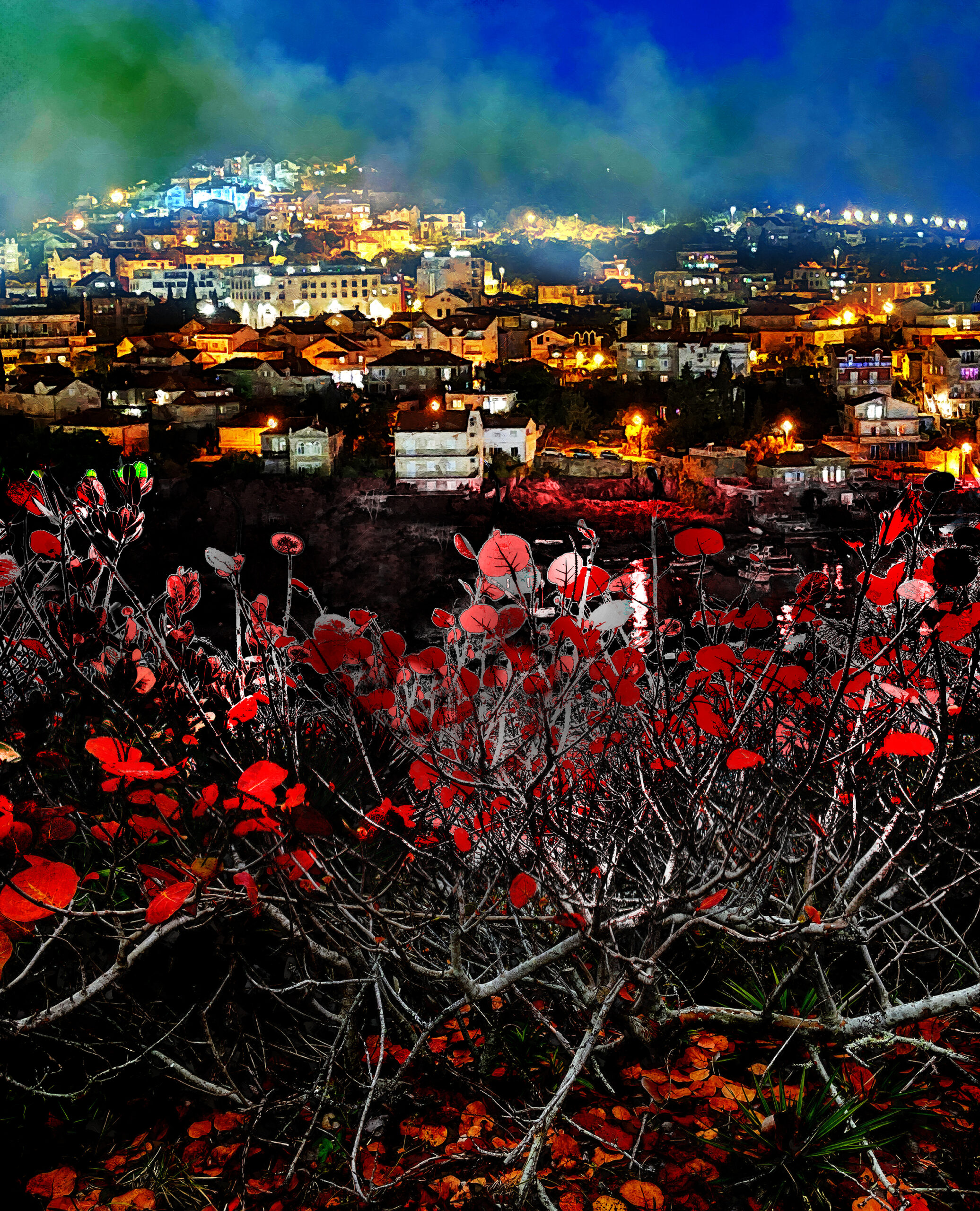
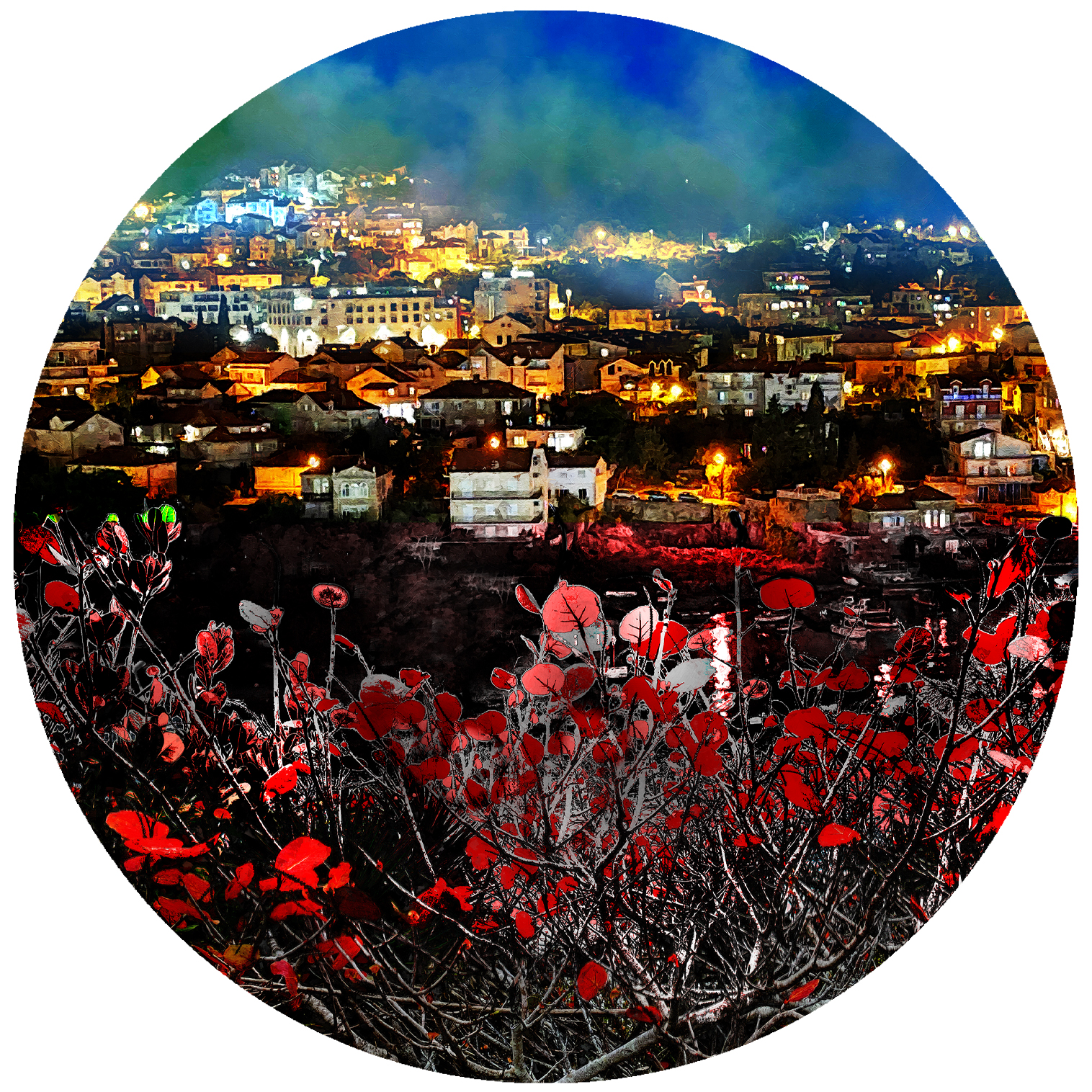
The Timeless City — Dubrovnik captures the enduring character of one of the Adriatic’s most remarkable coastal cities. Framed by ancient stone, brilliant Mediterranean light, and the deep blue presence of the sea, the work is an artistic interpretation of a place that seems to exist beyond ordinary time. Dubrovnik possesses a rare visual character—one shaped by centuries of architecture, changing light, weathered stone, and its extraordinary position along the Adriatic coast.
What makes Dubrovnik so compelling is the relationship between the city and its surroundings. The historic architecture appears almost inseparable from the landscape, with warm stone structures rising above the sea and creating a composition that feels both monumental and intimate. From a distance, the city has an almost storybook quality. Up close, its character becomes more complex, revealing layers of history and craftsmanship that have endured for generations.
In creating this work, I was drawn to that sense of permanence.
The title The Timeless City reflects more than Dubrovnik’s age. It speaks to the feeling that the city exists outside the pace of the modern world. While the world around it continues to change, Dubrovnik retains an unmistakable identity. Its walls, rooftops, towers, and narrow passages carry the visual memory of centuries, yet the city remains vibrant and alive.
Light is an important part of that experience.
Mediterranean light has a way of transforming architecture. Stone can shift from soft and subdued to warm and luminous depending on the hour. Shadows create depth along walls and rooftops, while the surrounding sea introduces a contrasting expanse of color and openness. Those relationships between light, architecture, and landscape provide the foundation for the visual atmosphere of this painting.
Rather than simply documenting Dubrovnik as a recognizable destination, I wanted to capture something of its emotional presence.
There is a quiet drama in the city’s setting. The ancient architecture suggests permanence, while the sea suggests movement and possibility. Together, they create a balance between what remains and what is constantly changing. That contrast is what makes Dubrovnik such a powerful subject for an artist.
The city also carries a remarkable sense of craftsmanship. Its stone architecture was created to endure, and that quality resonates with the way I approach my own work. I believe an original painting should offer more than an attractive image on a wall. It should have a presence of its own—something that continues to reveal itself as the viewer spends time with it.
The Timeless City — Dubrovnik is intended to create that kind of connection.
For collectors who have visited Dubrovnik, the work can evoke the atmosphere of walking through its historic streets, looking toward the Adriatic, or seeing the city emerge through the changing Mediterranean light. For those who have never visited, the painting offers another kind of invitation: an opportunity to imagine a place where architecture, history, and landscape come together in an extraordinary setting.
Travel has always given artists an abundance of visual possibilities, but certain destinations remain with us long after we leave them. Dubrovnik is one of those places. Its distinctive architecture and dramatic coastal setting create an image that is immediately recognizable, yet endlessly open to interpretation.
That is where painting becomes different from photography.
A photograph can preserve a moment. Painting allows the artist to interpret the feeling within that moment—to emphasize atmosphere, shape, color, light, and emotion in ways that communicate something beyond literal representation. With The Timeless City — Dubrovnik, my goal was not simply to reproduce a cityscape. It was to create an impression of Dubrovnik as a place suspended between history and the present.
The result is a work that celebrates the enduring beauty of the Adriatic and the remarkable character of one of its most celebrated cities.
There is something especially appealing about bringing a city like Dubrovnik into a private collection. It can become more than a reminder of a destination. It can become a visual escape—a window toward the Mediterranean, a reminder of travel and discovery, and a statement about the places that continue to inspire us.
I have always believed that art has the ability to preserve more than an image. It can preserve a feeling.
The Timeless City — Dubrovnik is my interpretation of that feeling: the warmth of ancient stone, the openness of the Adriatic, the quiet strength of architecture built to last, and the extraordinary sense of history that makes Dubrovnik unlike anywhere else.
It is a city that has witnessed centuries pass around it.
And yet, somehow, it remains timeless.


