Keys to a Moroccan Masterpiece
Casablanca, Morocco — An Original Artistic Interpretation
“Art begins when we see familiar things in an unfamiliar way.” — Michael John Valentine
Where Music, Architecture, and Abstraction Become One
Some places leave an impression through their sheer scale. Others capture the imagination through intricate details, unexpected patterns, and the way light transforms a surface. During my visit to Casablanca, Morocco, the extraordinary architecture of the Hassan II Mosque offered a new perspective on the relationship between structure, rhythm, and artistic expression. It was an opportunity to look beyond the building itself and discover the visual elements that could become something entirely different on canvas.
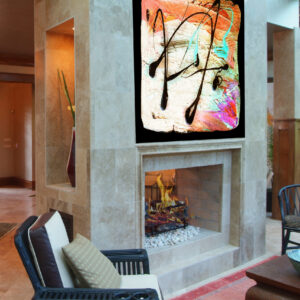
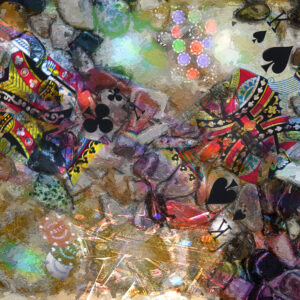
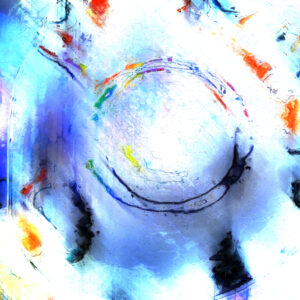
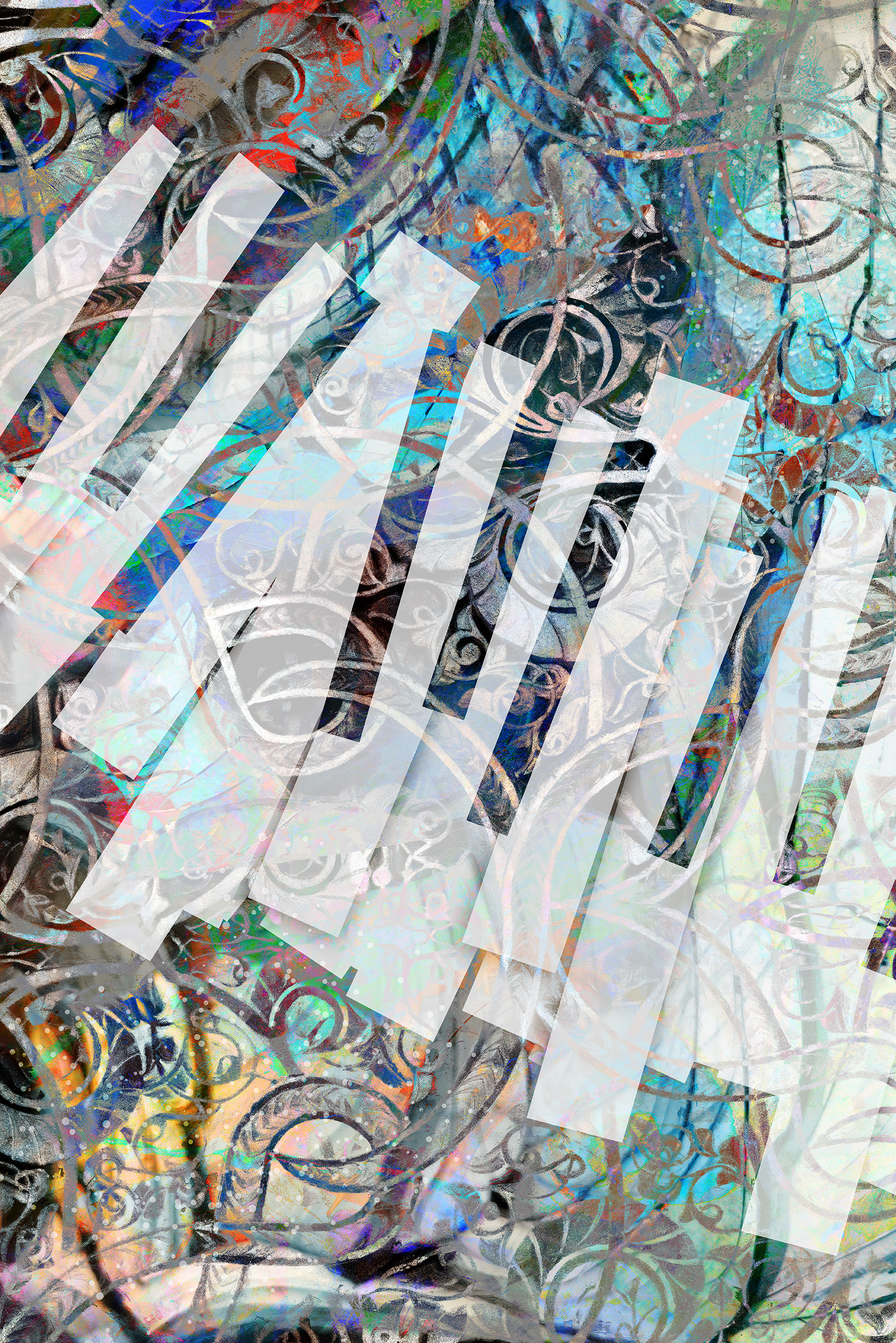
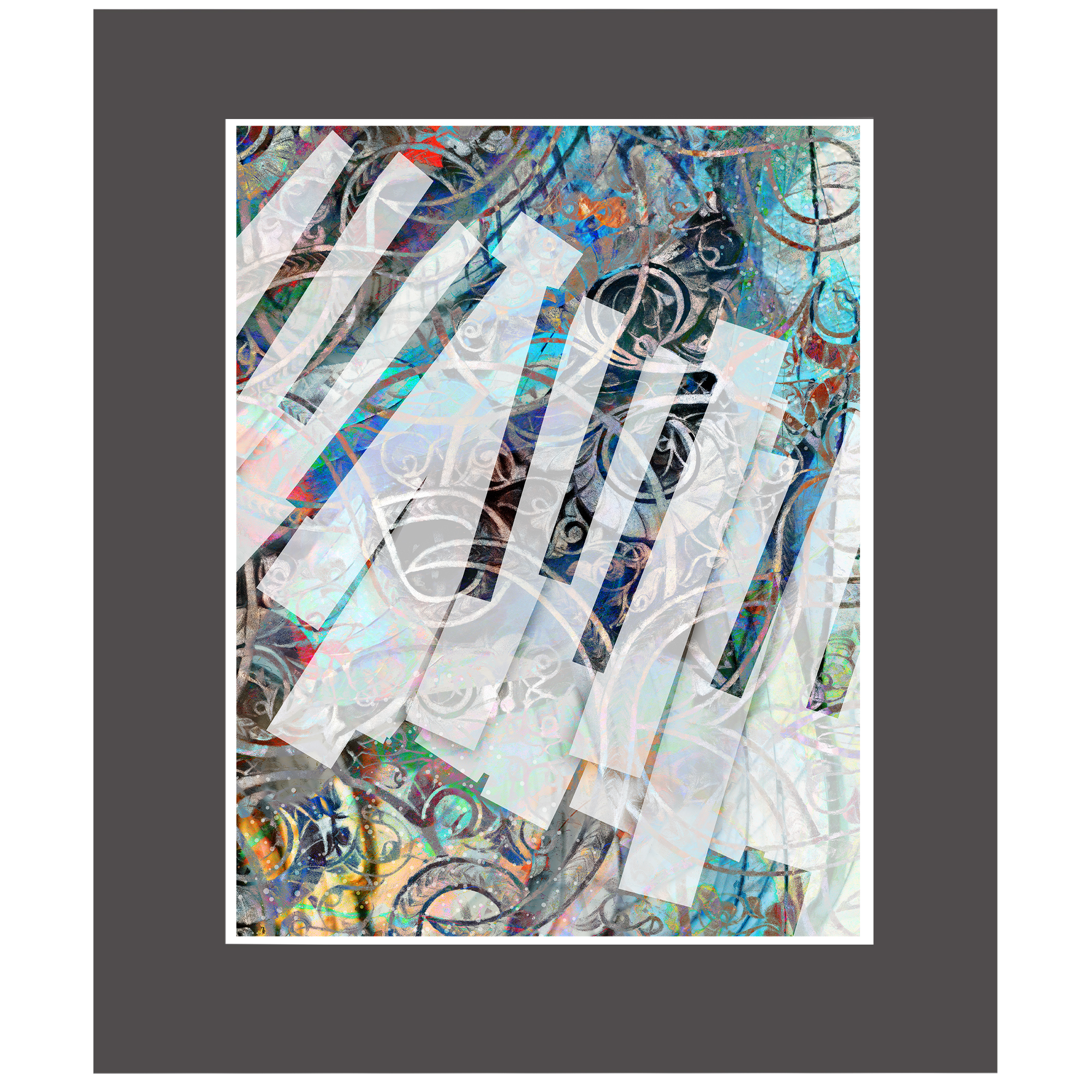
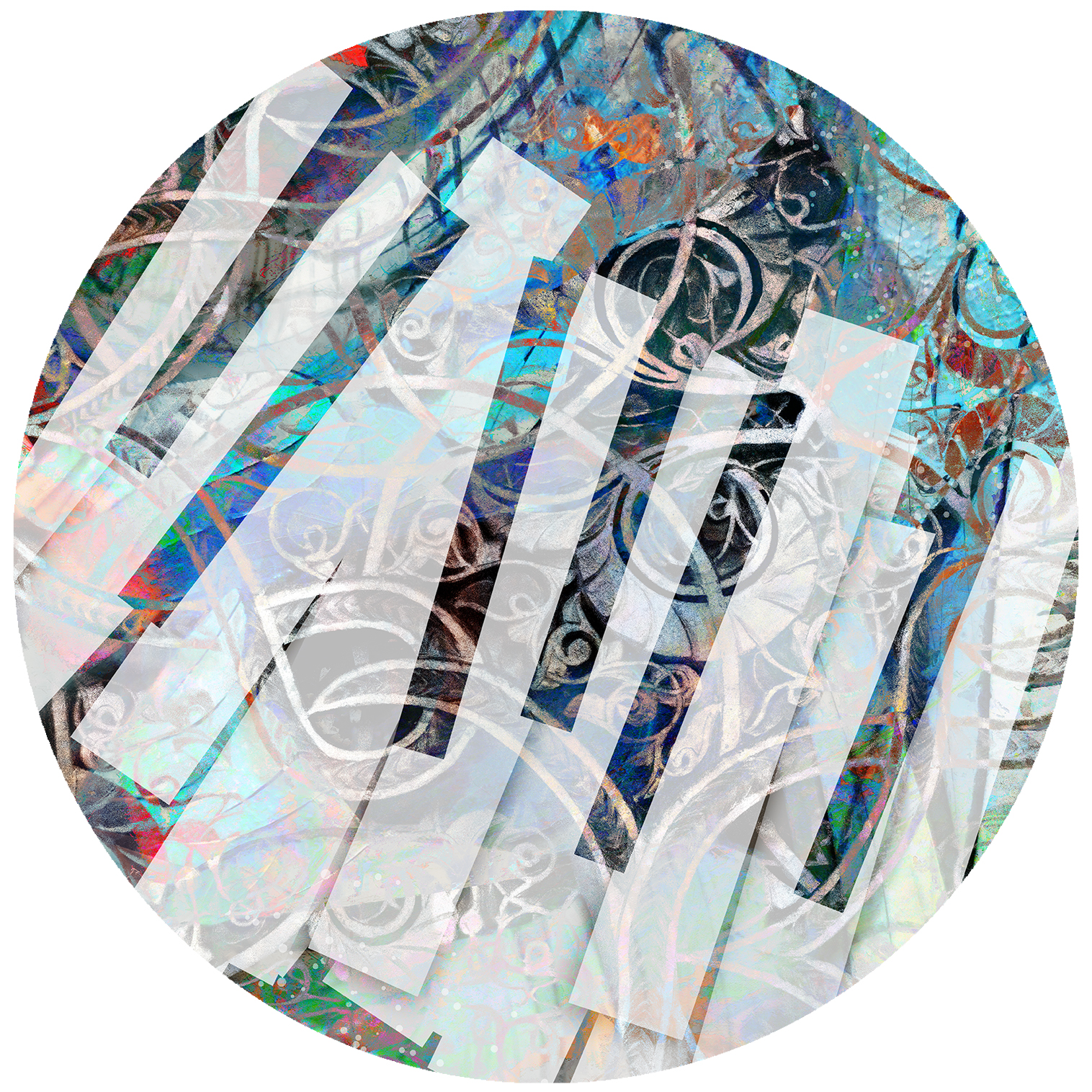
Keys to a Moroccan Masterpiece brings together three distinct sources of inspiration: the expressive, fragmented vision associated with Pablo Picasso, the architectural splendor of the Hassan II Mosque, and the familiar geometry of piano keys. Through photography, interpretation, and the blending of visual ideas, these influences become part of a singular artistic statement.
The result is not an architectural reproduction or a traditional musical still life. It is an exploration of how seemingly unrelated subjects can share a visual language—and how those connections can inspire an original work of art.
The Architectural Inspiration of Hassan II Mosque
Standing along the Atlantic coast of Casablanca, the Hassan II Mosque is an extraordinary achievement of Moroccan craftsmanship and architectural design. Its monumental scale is matched by the remarkable detail found throughout its interior, where intricate geometric ornamentation, carved surfaces, and carefully balanced patterns create a sense of visual movement.
What captures my attention as an artist is the relationship between repetition and variation. Architectural patterns establish a rhythm, much as musical notes form a composition. Lines intersect, shapes repeat, and individual details contribute to a larger visual structure. The eye moves from one element to another, discovering new relationships within the whole.
The mosque’s elaborate ceiling and decorative geometry provide a particularly compelling source of inspiration. Rather than treating these details as elements to be documented literally, I look for opportunities to reinterpret their forms, contrasts, and rhythms.
In this work, the architecture becomes more than a recognizable place. It becomes a visual vocabulary—one that can be rearranged, interrupted, layered, and blended with imagery drawn from an entirely different artistic tradition.
Picasso and the Language of Fragmentation
Pablo Picasso transformed the possibilities of visual representation by challenging the idea that a subject must be presented from a single, fixed viewpoint. His association with Cubism introduced a way of examining objects through fractured planes, shifting perspectives, and the interplay of shapes.
That approach offers an intriguing connection to the architecture of Hassan II Mosque. Although their origins and intentions are different, both can encourage the eye to examine how individual forms interact to create a unified composition.
My connection to Picasso is not about copying a particular painting or reproducing his recognizable motifs. It is about embracing the freedom to see an object differently—to separate its visual components and discover possibilities that might otherwise remain hidden.
The piano, with its alternating black and white keys, offers an immediate example of this principle. Its linear arrangement is familiar, almost mathematical. Yet when considered as a series of contrasting shapes, the keyboard becomes an abstract pattern in its own right.
When that pattern encounters the intricate geometry of Moroccan architecture, a new visual conversation begins.
The Subtle Presence of Piano Keys
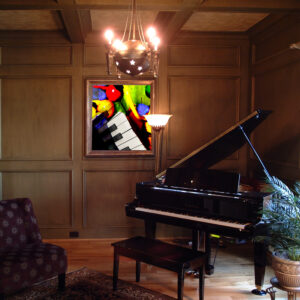
The piano keys are an essential part of the concept, but they do not need to dominate the composition. Their significance lies in the way they connect music, repetition, contrast, and rhythm.
Black and white create a natural visual tension. Each key has an individual identity, yet its meaning becomes clearer through its relationship with the keys surrounding it. This is much like the individual elements of an architectural pattern, where repeated shapes create order while subtle variations maintain interest.
Blending the piano’s linear structure with the ornate details of the mosque allows these two visual systems to interact. One suggests musical rhythm; the other suggests architectural rhythm. Neither needs to explain itself completely.
Instead, the viewer is invited to recognize fragments of both worlds within the same composition.
The keys serve as a quiet reference to the piano while also becoming part of the larger abstraction. They help establish a visual connection between music and architecture without turning the work into a literal illustration of either subject.
The Art of Combining and Blending
The creative process begins with observation, but the final work emerges through interpretation. My photography provides an essential starting point, preserving the details, contrasts, and visual impressions that first captured my attention. From there, the process moves beyond the camera.
I explore how different elements might coexist, considering the relationships between shape, line, tonal contrast, and composition. Architectural details can become abstract forms. Repeated patterns can establish movement. Piano keys can introduce structure and a recognizable visual anchor.
Blending these influences is not simply a matter of placing one image over another. It involves considering how the elements work together, how one form leads the eye toward another, and how contrasts can create visual energy without overwhelming the composition.
The objective is to establish a sense of unity while preserving enough distinction for the individual influences to remain meaningful.
This balance is central to my approach to art. I am interested in what happens when recognizable subjects begin to move beyond their original identities. A photograph becomes the foundation for interpretation, architecture becomes a study in rhythm, and the piano becomes an arrangement of shapes as well as a musical instrument.
The final image occupies the space between recognition and abstraction. It offers familiar references, yet encourages the viewer to experience them in a new way.
From Casablanca to the Canvas
My travels continually introduce new colors, textures, structures, and visual relationships into my artistic vocabulary. Casablanca has provided an especially compelling meeting point between architectural tradition and the expressive possibilities of contemporary visual art.
Keys to a Moroccan Masterpiece reflects that encounter. It brings together the spirit of Picasso’s experimentation, the extraordinary decorative language of Moroccan architecture, and the quiet familiarity of piano keys. Through the blending of these ideas, the work develops an identity of its own.
For collectors, the appeal lies not only in the subjects that inspired the piece but also in the transformation that connects them. The work offers an opportunity to discover the architecture within the abstraction, the music within the geometry, and the influence of a remarkable place within an original artistic interpretation.
My intention is never simply to record what I see. It is to explore what those observations might become when imagination takes over.
The Hassan II Mosque provided the inspiration. Picasso offered a point of reference for thinking about form and perspective. The piano keys introduced a familiar rhythm of black and white. The blending of these elements brought the concept together.
In the end, Keys to a Moroccan Masterpiece is a celebration of the unexpected connections that make creating art so rewarding—a reminder that inspiration often emerges when different worlds meet on the same canvas.
“I don’t paint to explain the world—I paint to remember how it feels.” — Michael John Valentine