The Geometry of Wonder — Hassan II Mosque Casablanca
“What overwhelmed me most inside the Hassan II Mosque was the incredible depth of its artistry. Every surface seemed to reveal another dimension, another pattern, and another layer of craftsmanship. The longer I looked, the more I discovered. It was as though the architecture invited me to look beyond what was immediately visible and explore the extraordinary depth hidden within its details.”
Discovering the Depth of Moroccan Artistry
Some artistic experiences are difficult to describe because their impact goes far beyond what the eye initially sees. My visit to the Hassan II Mosque in Casablanca, Morocco, was one of those experiences. Its monumental architecture is impressive, but stepping inside revealed an extraordinary world of geometric design, intricate ornamentation, and remarkable craftsmanship.
What immediately captured my attention was the depth of the visual experience. The mosque seemed to contain countless artistic layers, each contributing to an overall composition of extraordinary complexity. Intricate patterns flowed across architectural surfaces, carved details created subtle shadows, and repeated geometric forms established a remarkable sense of movement and dimension.
I found myself looking closer and closer. What appeared to be a single decorative element often revealed several levels of detail. Shapes connected with other shapes, lines created unexpected relationships, and carefully arranged patterns produced a visual rhythm that seemed almost endless.
The experience was overwhelming in the best possible way. There was always something else to discover.
The Geometry Behind the Wonder
Moroccan geometric artistry has a remarkable ability to create complexity through repetition, symmetry, and precision. Within the Hassan II Mosque, these principles become an extraordinary architectural expression.
The geometric patterns are not simply arrangements of decorative shapes. They establish visual relationships that guide the eye across a surface and encourage closer examination. Repeated forms create continuity, while subtle variations introduce movement and interest.
I was particularly fascinated by the way these designs seemed to extend beyond their physical boundaries. A pattern could begin in one area and visually connect with another, creating the impression of an interconnected composition.
This relationship between geometry and visual depth became the foundation for my artistic thinking.
As an artist, I am naturally drawn to the interaction between structure and freedom. Geometry provides an underlying framework, but within that framework there is tremendous opportunity for interpretation. Lines, angles, shapes, and repeated forms can be transformed through color, texture, and the introduction of unexpected visual elements.
The mosque offered an extraordinary lesson in how those relationships can work together.
Translating Architectural Depth Into Art
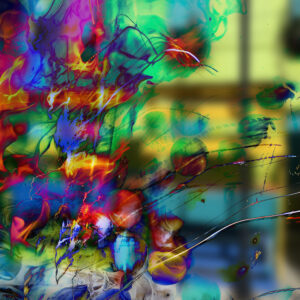
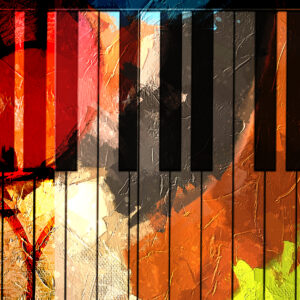
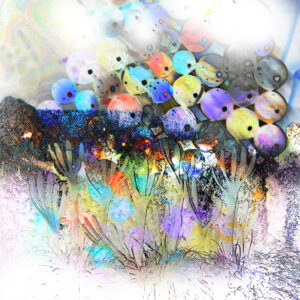
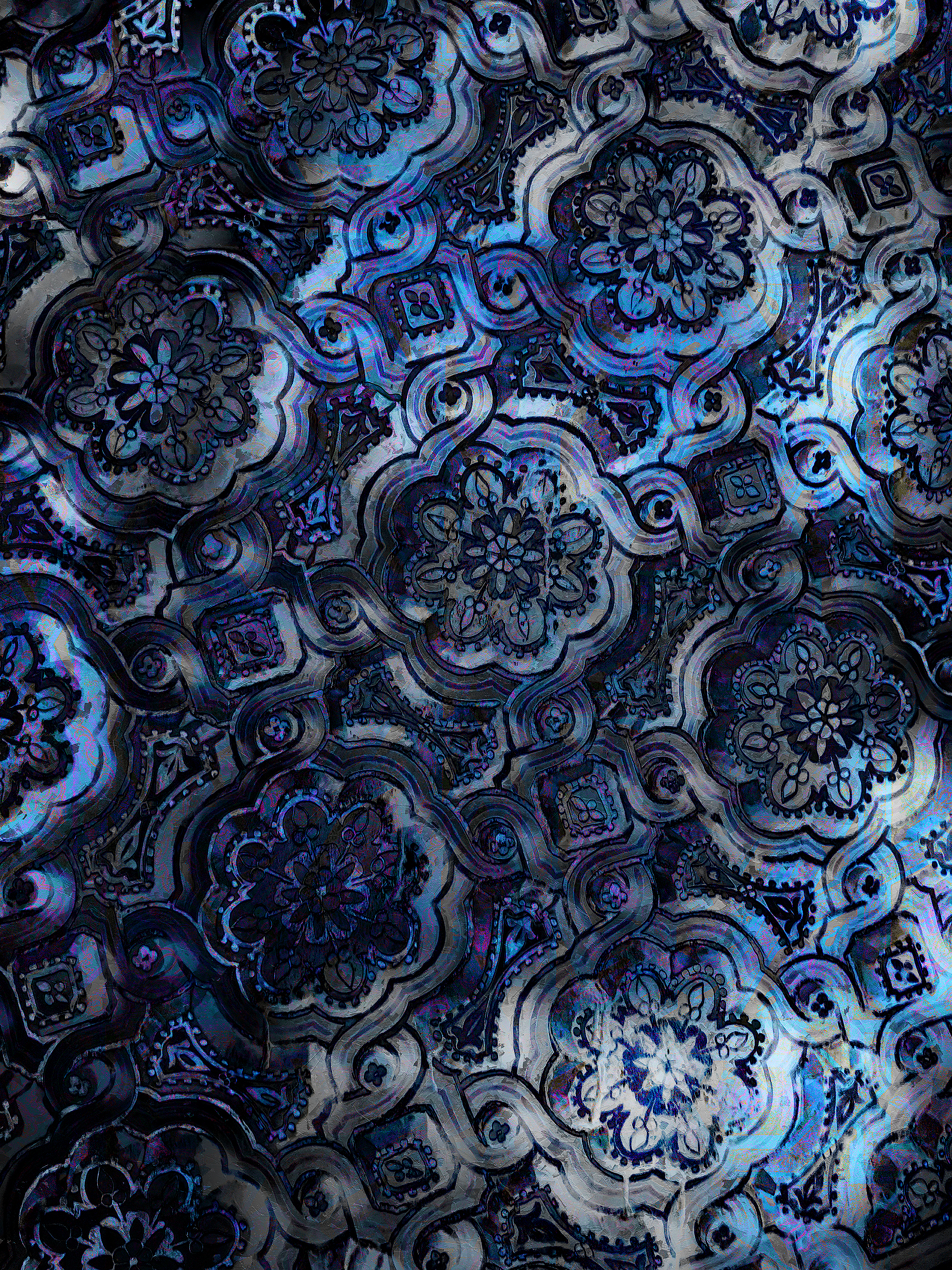
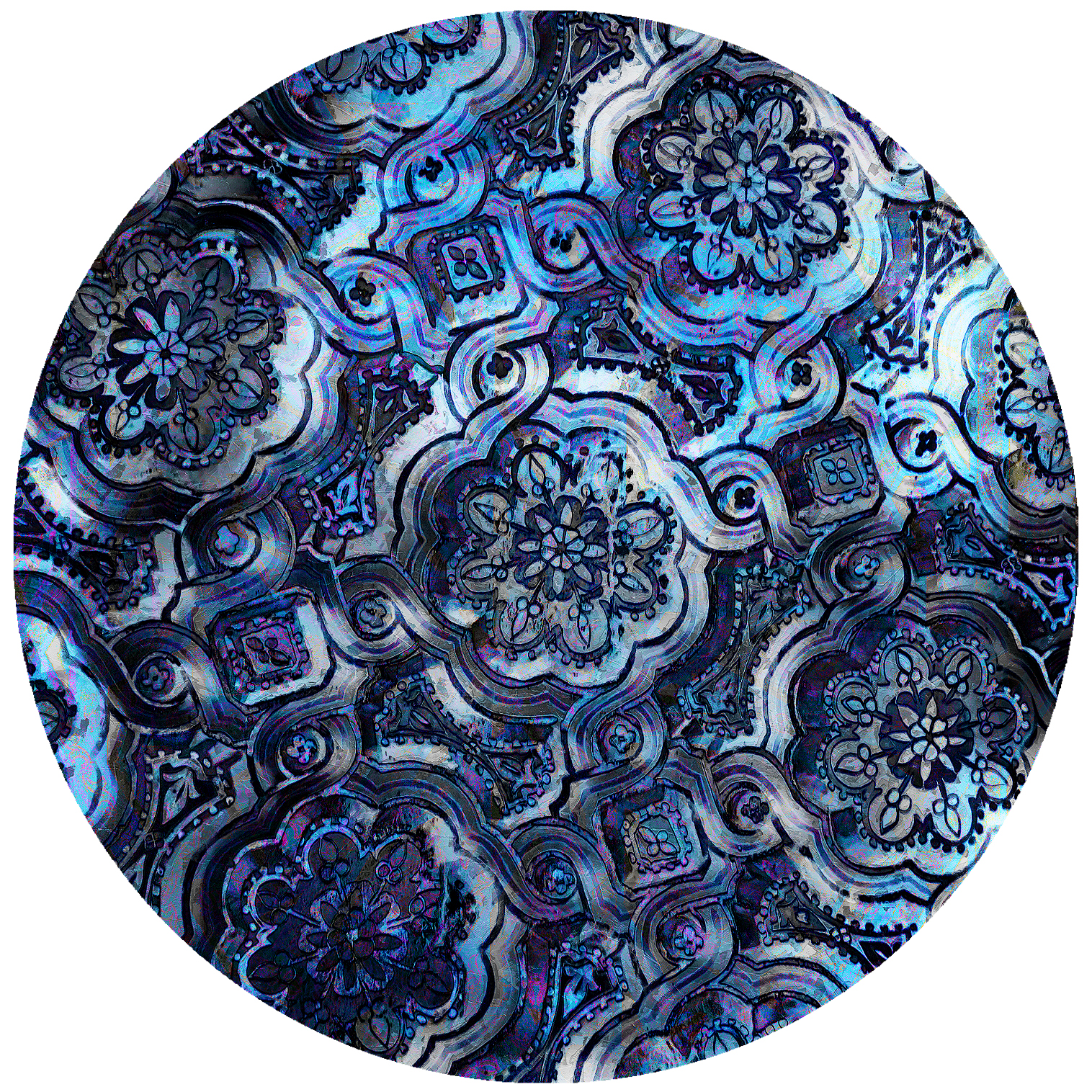
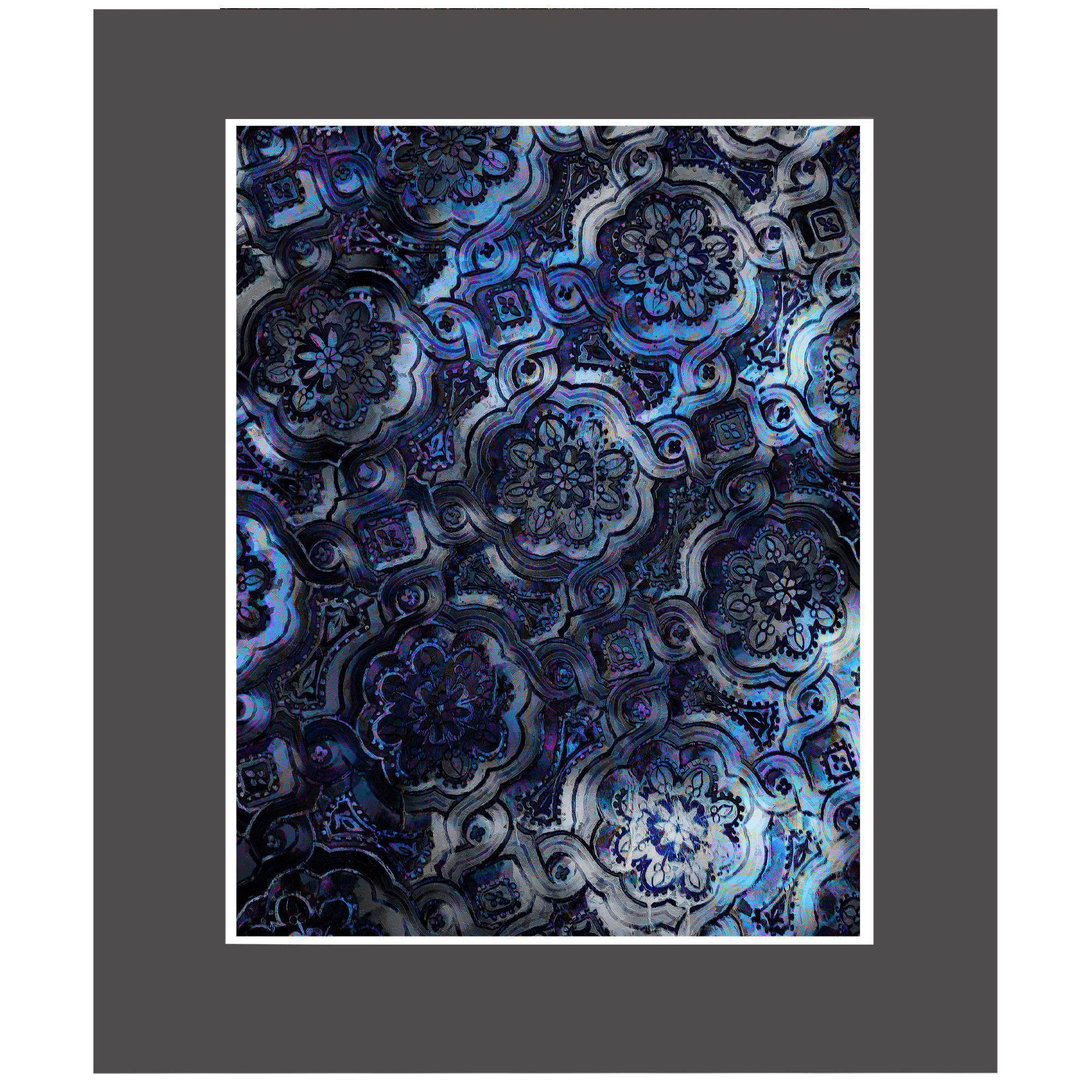
The Geometry of Wonder is my personal interpretation of the visual impressions I gathered inside the mosque.
Rather than creating a literal reproduction of its architectural details, I wanted to explore the qualities that made the experience so compelling. The complexity of the patterns, the dimensional character of the surfaces, and the interaction of light and shadow became important influences in developing this original mixed-media composition.
My creative process begins with observation and the collection of visual references. Original photography provides a starting point, but the finished artwork develops through a much more involved process.
I work with photographic elements, layered acrylics, overpainting, glazing, and the exploration of color and texture. Each stage introduces opportunities to change the visual character of the original material.
I particularly enjoy creating a sense of depth through the relationship between foreground and background. A surface can appear to move forward in one area while receding in another. Layers of color can suggest dimension, while overlapping forms create visual tension and movement.
These techniques allow me to take the inspiration of Moroccan architecture and move it into my own artistic language.
The result is not an architectural study. It is an original interpretation of the emotions and visual impressions that remained with me after experiencing the mosque.
Looking Beyond the Surface
One of the most fascinating aspects of the Hassan II Mosque is that its artistry rewards patience. The more time spent examining the details, the more remarkable the craftsmanship becomes.
That experience has a direct connection to the way I approach my own artwork.
I believe an interesting composition should offer more than an immediate visual impression. It should encourage a second look. It should reveal something different as the viewer spends more time with it. Color, texture, overlapping forms, and visual relationships can create a sense of discovery that develops gradually.
Depth is not necessarily about making something appear three-dimensional. It can also be about creating layers of meaning, complexity, and visual engagement.
That is what I find so compelling about geometric design. Its apparent simplicity can conceal extraordinary complexity. A collection of carefully arranged shapes can become an intricate visual experience that continues to reveal itself.
In this work, I wanted to capture some of that same sense of discovery.
A Continuing Artistic Journey Through Morocco
The Geometry of Wonder is part of my larger collection inspired by the Hassan II Mosque and my travels through Morocco.
During my visit, I photographed and studied numerous architectural details, each offering a different opportunity for artistic exploration. The remarkable craftsmanship of the interior provided far more inspiration than could possibly be contained in a single artwork.
This collection allows me to approach those impressions individually. One composition may explore intricate patterns, another the extraordinary carvings, and another the relationship between light, color, and architectural structure.
Each work will have its own identity while sharing a common connection to the artistry I encountered in Casablanca.
For me, this is an important part of traveling as an artist. I am not simply collecting images of places I visit. I am gathering experiences, observations, and visual ideas that can continue to develop long after returning to the studio.
The Wonder Continues
The Geometry of Wonder — Hassan II Mosque Casablanca represents my fascination with the extraordinary depth of Moroccan artistic expression.
It reflects an experience in which every direction offered another discovery and every detail seemed to contain something more than initially met the eye.
The architecture provided the inspiration, but the creative interpretation belongs to my studio. Through original photography, layered acrylics, overpainting, and the exploration of color and texture, I have transformed those impressions into an original mixed-media work.
Perhaps the greatest lesson I brought home from Casablanca was that true artistic depth is not always revealed at first glance. Sometimes it takes a closer look, a little patience, and a willingness to explore what lies beneath the surface.
Michael John Valentine
Original Mixed-Media Artist