Cigar Quote — Michael Jordan
“It’s a moment for me to relax and reflect.”
“After the Light Fades” — A Study in Ritual, Memory, and Layered Presence
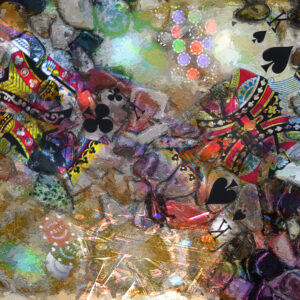
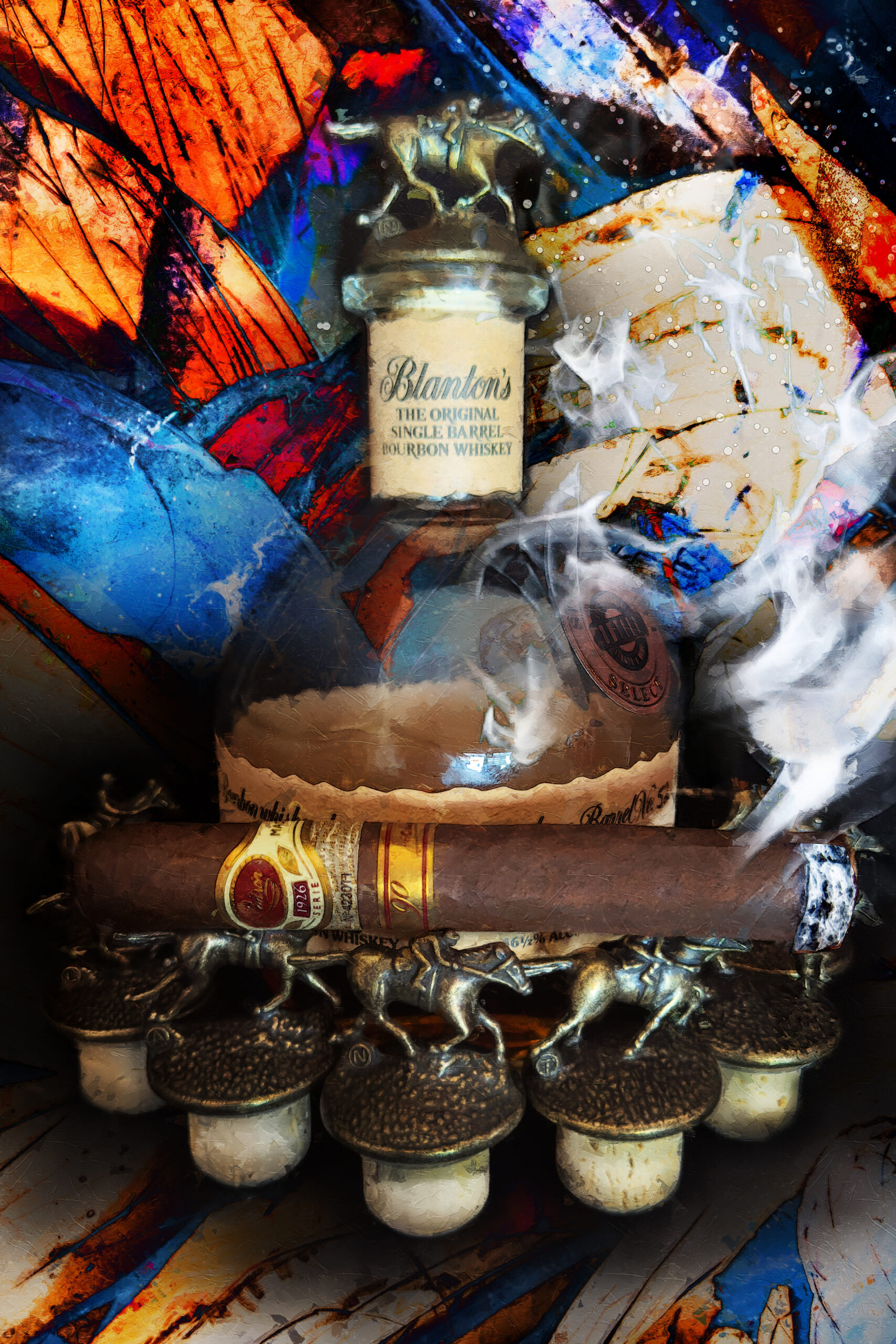
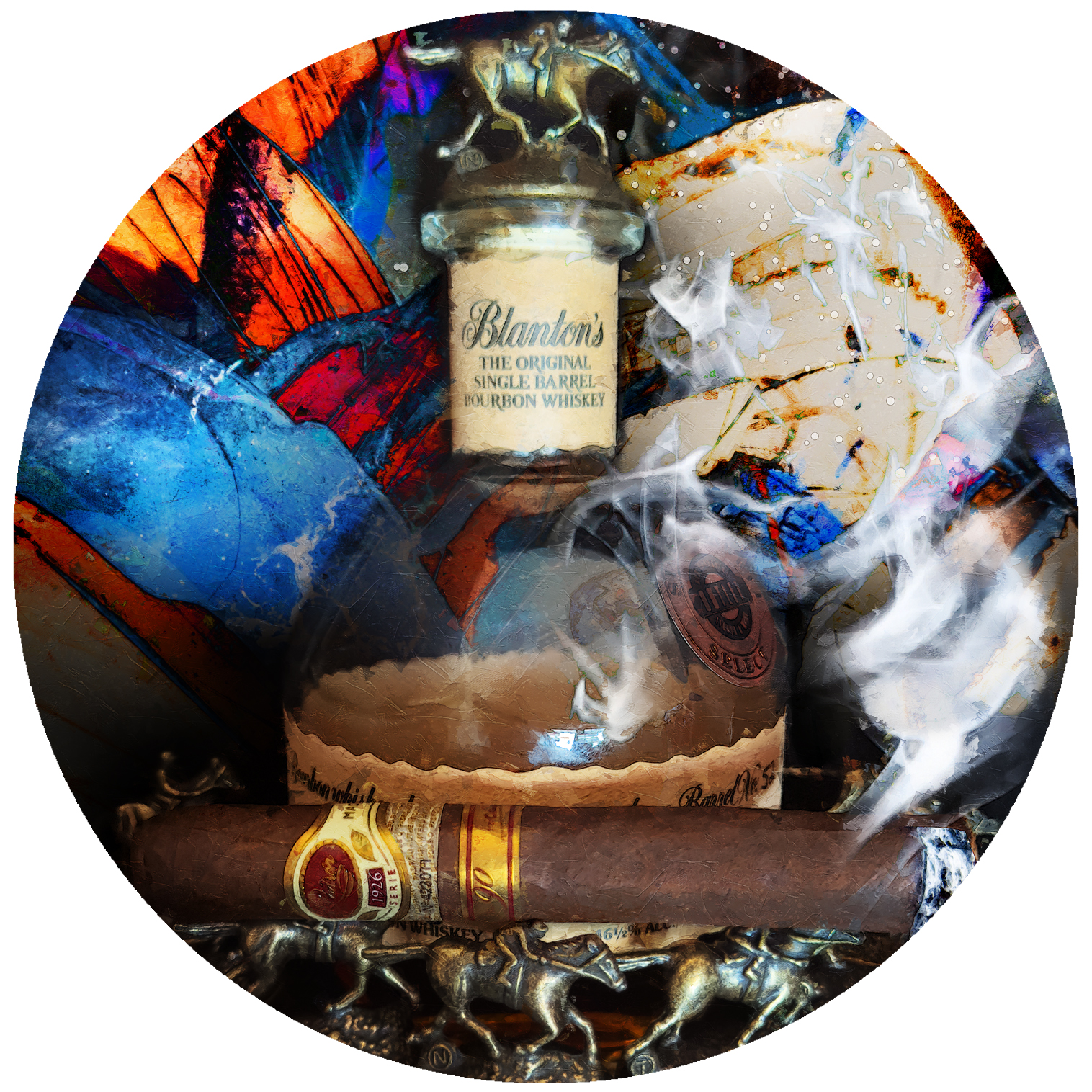
In Padron 90th with All the Blanton’s Horses: After the Light Fades, this work does not simply depict objects—it captures the quiet ceremony that surrounds them. Like the final draw of a cigar or the last amber reflection in a glass of bourbon, this piece exists in that rare, suspended moment where intensity gives way to introspection.
The title itself signals a transition—not an ending, but a soft descent. Light fades, but what replaces it is not darkness; it is depth.
What distinguishes this approach is the way mixed media is treated not as a combination of materials, but as a collision of time. Each element—the cigar, the Blanton’s horses, the surface itself—feels unearthed rather than applied. There is a sense that the piece has lived multiple lives before arriving at its final state.
The process of overpainting is central to this experience.
Rather than building toward clarity, it builds through concealment.
Layers are not simply added—they are buried, disrupted, and resurrected. Earlier marks remain present, not always visibly, but structurally. This creates a tension between what is revealed and what is withheld, echoing the ritual of cigar smoking itself: slow, deliberate, contemplative. Athletes like Michael Jordan didn’t embrace cigars for indulgence alone, but for what they offered psychologically—a pause, a recalibration, a moment to sit with victory or pressure.
Material as Memory
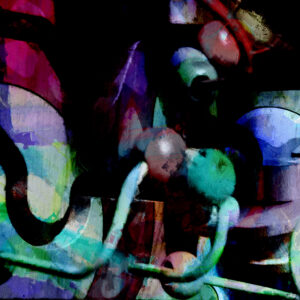
The mixed media elements inthis work act as anchors of reality—recognizable, tactile, grounded. Yet through your overpainting process, they are partially obscured, softened, or fragmented. This duality creates a dialogue between precision and abstraction.
The Blanton’s horses, for example, are not merely depicted—they feel collected, almost archival. Symbols of motion frozen in sequence. But through Michael’s layering, they become something more elusive—less about the object itself and more about what it represents: progression, ritual, repetition, legacy.
The cigar, similarly, is not just a subject—it is a conduit. It carries with it associations of craftsmanship, time, and presence. A premium cigar is never rushed; it demands attention. This painting demands the same.
The Power of Overpainting
The overpainting process is where the work transcends representation and enters the realm of experience.
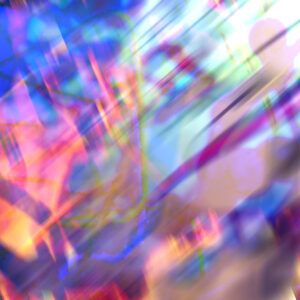
Each layer acts as both an addition and a subtraction. Paint veils, interrupts, and redefines what came before. Edges dissolve. Forms emerge and recede. The surface becomes active—alive with history.
This is not accidental. It is controlled erosion.
Where traditional painting seeks resolution, this work embraces evolution. There is no single “final” image—only the latest state in an ongoing transformation. This gives the piece a sense of permanence and impermanence simultaneously.
Collectors recognize this instinctively.
They are not just acquiring a painting—they are acquiring a process made visible.
Atmosphere Over Object
What lingers most in this piece is not the imagery itself, but the atmosphere it creates.
There is a quiet weight to it. A stillness.
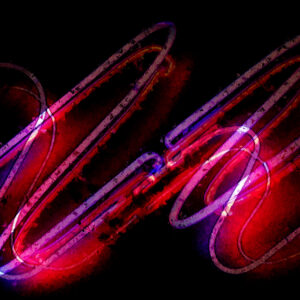
It feels like the room after a celebration has ended—the smoke still hanging in the air, the glass half-finished, the energy no longer external but internalized. This is what separates itself from traditional still life. The art does not try to capture objects; it’s emotional residue they leave behind.
And that is where the title becomes fully realized.
“After the Light Fades” is not about loss—it is about what remains.
A Collector’s Perspective
From a collector’s standpoint, this piece holds particular significance because of its layered complexity. It rewards time. It invites repeated viewing. What is seen in the first encounter is not what is seen in the tenth.
This is the hallmark of museum-caliber abstraction grounded in narrative.
The integration of luxury cultural elements—Padron cigars, Blanton’s bourbon—places the work within a recognizable world of refinement and ritual. But the treatment of those elements elevates them beyond lifestyle into something more enduring: a meditation on time, presence, and transformation.
Much like the ritual Michael Jordan describes—stepping away to reflect—this painting becomes a space for the viewer to do the same.