“Abstraction allows man to see with his mind what he cannot see physically with his eyes.”
— Arshile Gorky
A Signature Statement for Motion Sensor
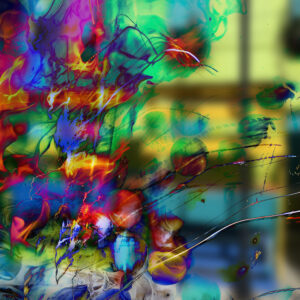
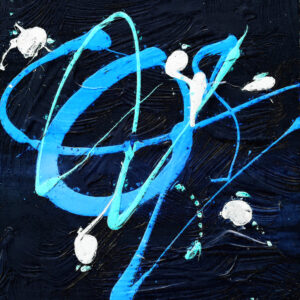
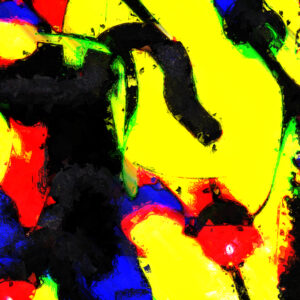
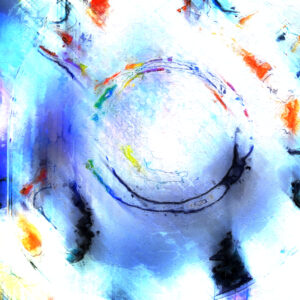
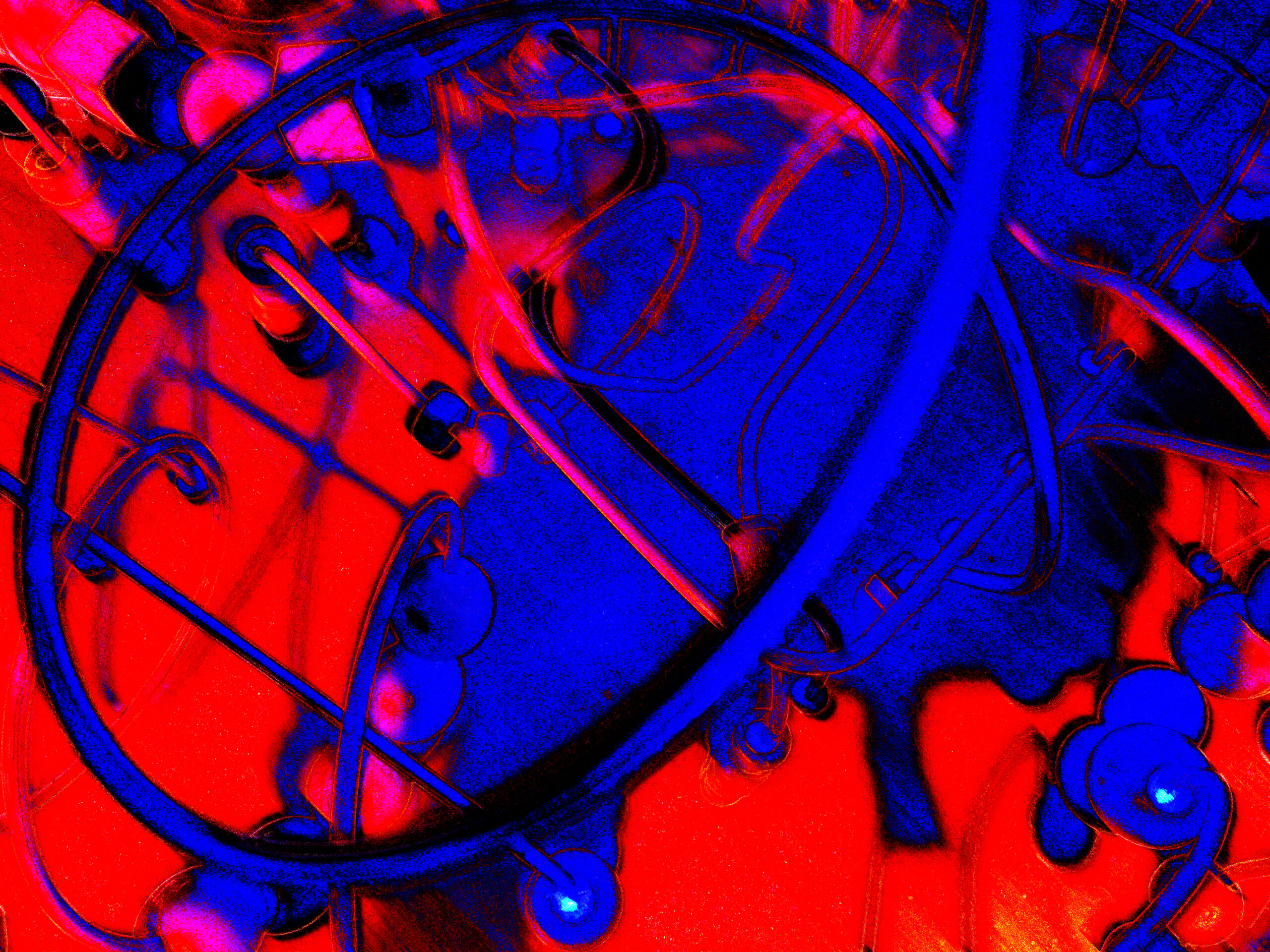
In Motion Sensor, Michael John Valentine channels not just pigment and canvas, but the ineffable forces of perception itself. With every intersection of line, plane, and color, this original abstract painting extends an invitation: to sense beyond the surface and to feel the unseen rhythms that shape thought and emotion. At once kinetic and meditative, it embodies the dynamic state between movement and stillness — between what is registered and what is sensed.
The Experience of Motion Sensor
Motion Sensor does not depict; it elicits. It does not represent; it engages. Here, abstraction becomes a lived encounter — an interplay of form that resonates with the viewer’s internal rhythms. In this painting, Valentine negotiates space with a painterly language that is both architectural and organic, conjuring a visual cadence that seems to pulse with its own internal timing.
This is a work that resists facile interpretation because it is rooted in experience rather than illustration — in accord with one of Jackson Pollock’s insights that “abstract painting… confronts you.”
Like another master who insisted that “a painting is not about an experience; it is an experience,” Motion Sensor transforms seeing into sensing — inviting you to become an active participant in its unfolding visual poetry.
Conceptual Resonance: Form as Feeling
Valentine’s work engages the viewer in a perceptual dialogue. The layered gestures, shifts in texture, and the subtle tension between controlled brushwork and spontaneous mark-making give rise to a kind of visual thought. This is abstract art not as decoration, but as a mechanism for emotional and intellectual exploration — a space where the unseen becomes palpable and the intuitive is made visible.
At its core, Motion Sensor negotiates the interplay between intensity and pause. It is a canvas that breathes — that oscillates between charge and release — echoing the continuous motion of life’s inner and outer forces. It invites collectors and connoisseurs alike to feel time on surface and shape in drifting light.
Materiality & Craftsmanship
The hand of the artist is evident in every decision: the weight of each stroke, the balance of tonal harmony, the intentionality of layered form. These are not happenstance marks but considered gestures — the result of an experienced hand that understands both the discipline and liberation of abstraction.
The painting’s glossy protectant finish does more than preserve; it elevates the work’s presence, allowing light to become an active collaborator in how the piece is witnessed. This reflective quality enriches the viewer’s engagement, turning observation into a dynamic sensory experience.
Legacy & Context
Motion Sensor participates in a storied lineage of abstract creation — a tradition that reimagines meaning through rhythm and resonance rather than literal depiction. From the introspective fields of Mark Rothko to the gestural freedom of Pollock and the conceptual rigour of modern abstraction, this work speaks to the rich continuum of abstract expression and innovation.
It stands as both homage and evolution — acknowledging the dialectic of form and feeling while staking its own claim within the contemporary abstract conversation.
For the Collector
Owning Motion Sensor means entering into a relationship with a painting that rewards deep viewing. It is the kind of work that reveals new layers over repeated encounters — a piece that lingers in memory and opens gradually in the imagination.
More than decoration, it is an investment in artistic integrity; a canvas that serves as a portal to contemplation, emotion, and perceptual awakening.
Closing Artistic Reflection
In the spirit of abstract art’s highest aspiration — to render the invisible visible — Motion Sensor stands as a testament to the power of pure form, rhythm, and expressive intuition. It asks not what you see, but what you feel, shifting the locus of meaning from the world before your eyes into the realm within your mind.
Here, in this dialogue between paint and presence, Valentine invites you not just to view the work — but to enter it.