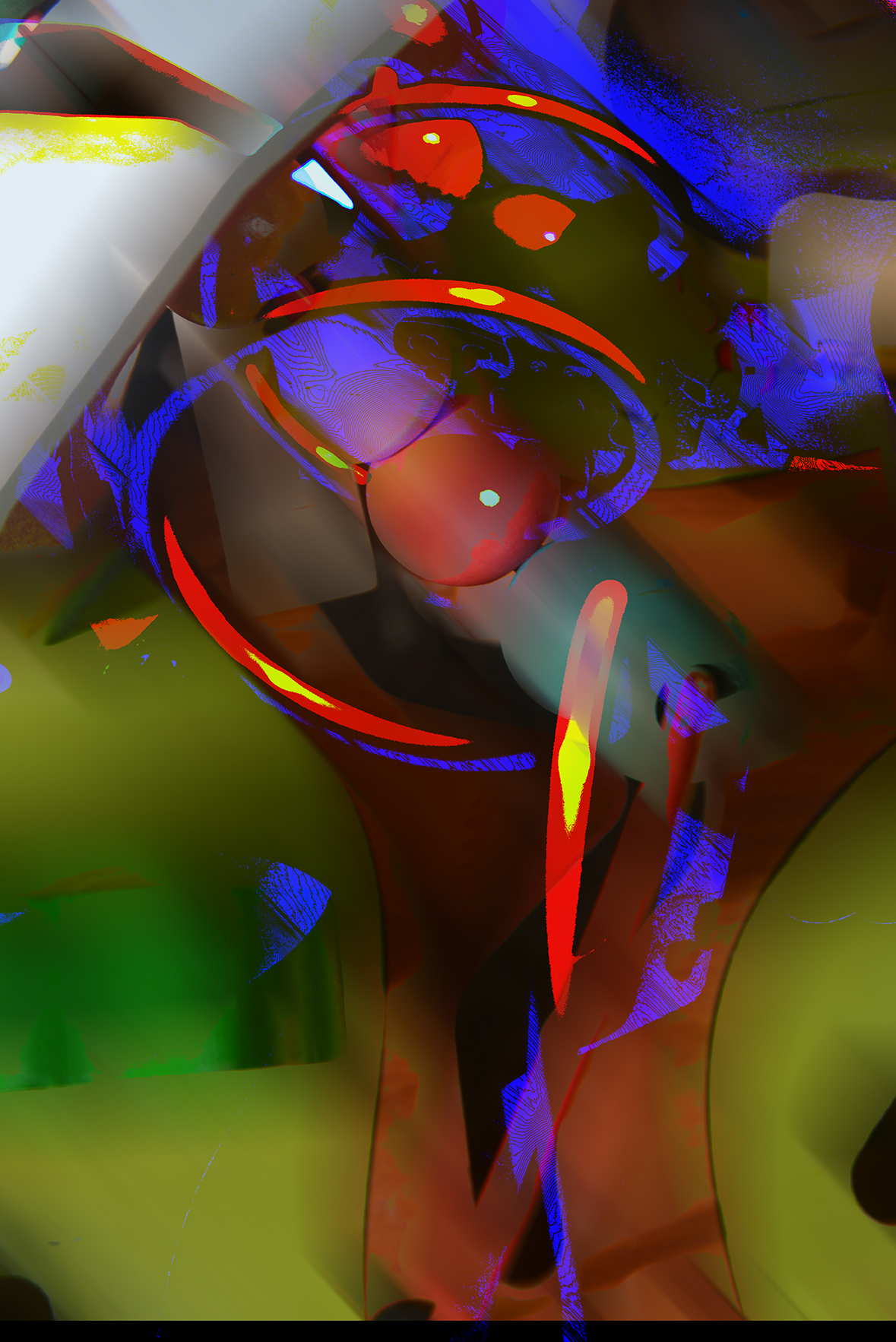
“Happy Trails” — An Original Abstract Masterpiece by Michael John Valentine
At the intersection of intuition, experience, and refined artistic craft stands Happy Trails, a signature work from the studio of acclaimed American artist Michael John Valentine—a visionary creator whose career spans more than five decades of relentless exploration in fine art. Rooted in a lifetime of visual curiosity and formal training, this painting embodies a rare synthesis of emotional depth, sophisticated technique, and evocative abstraction that rewards both the heart and the discerning collector’s eye.
A Work That Speaks Without Saying a Word
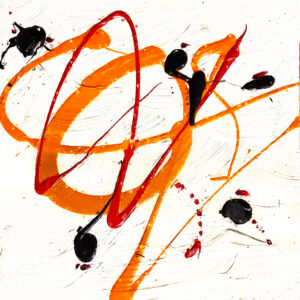
“Happy Trails” is not simply a painting—it’s a lived experience captured on canvas. Crafted with Melbourne-grade exhibition canvas and layered acrylics, this artwork invites viewers to embark on their own visual journey. At first glance, the composition’s fluid strokes and artful interplay of color evoke sensations of movement and optimism—a trail of emotion rather than a literal path—stimulating both intrigue and contemplation. The emotional resonance of the work lies not in what it depicts, but in what it awakens in the viewer.
What sets this piece apart from ordinary wall décor is its palpable sense of presence: each brushstroke carries intention, each pigment shift reveals a deliberate choice. The abstract language Valentine employs belongs to a tradition of sophisticated modern fine art—an art that conveys rhythm, memory, and sensation in equal measure.
Craftsmanship Rooted in Mastery
Michael John Valentine’s storied artistic journey traces back to a Fine Arts Degree from Kent State University and a lifetime spent mastering mixed media in all its forms. Over more than 55 years, he has developed an instinctive command of form, color, and surface that sets his work apart from generic decorative art. Every canvas begins with original inspiration and progresses through layers of hand-applied acrylics, nuanced overpainting, and a glossy protective finish that both secures and intensifies the visual impact of the piece.
“Happy Trails” is built upon this same foundation of craftsmanship. The surface of the canvas—textured yet luminous—reveals subtle transitions of color and depth that change with the light and vantage point of the viewer. The finish invites tactile contemplation while preserving the energetic spontaneity of Valentine’s brushwork. The glossy sealant enhances the saturation and long-term resilience of the materials, ensuring the artwork remains as vibrant decades from now as the day it was created.
The Aesthetic of Motion and Memory
In “Happy Trails,” abstraction becomes a vehicle for narrative without words. The composition feels alive: echoes of paths taken and challenges overcome seem to emerge from its layered forms. The title, suggesting movement and memory, echoes in the sweeping gestures of pigment that traverse the canvas. Though entirely non-representational, the painting possesses an innate rhythm that draws the eye from one element to the next—suggesting a progression, a journey, or even a conversation between color and space.
This thoughtful orchestration of hue and form reflects Valentine’s deep understanding of how abstract art functions on both emotional and intellectual levels. Rather than depicting a fixed scene, he offers a living landscape of emotion—one that invites personal interpretation and repeated engagement.
Collector Appeal and Artistic Value
For the sophisticated collector, “Happy Trails” occupies a space between visual poetry and investment-grade artwork. This original abstract canvas is hand-signed by the artist and offered with a tailored range of size options—allowing it to anchor both intimate spaces and grand interiors alike. From 8×10 to expansive 30×63 scale canvases, each edition maintains the integrity and distinctive expression that defines Valentine’s body of work.
Included with the work is a Certificate of Authenticity, underscoring its provenance and distinguishing it from mass-produced or print reproductions. In an art market saturated with generic imagery, this level of intentionality and craftsmanship elevates “Happy Trails” to the realm of collectible fine art.
Moreover, owning a piece by Michael John Valentine is not simply an aesthetic choice—it is an affirmation of a collector’s engagement with original creativity. His paintings are handcrafted in his private studio near Lake Norman, North Carolina, and reflect a commitment to physical media and traditional process rather than reliance on digital or generative shortcuts.
A Dialogue With Space and Spectator
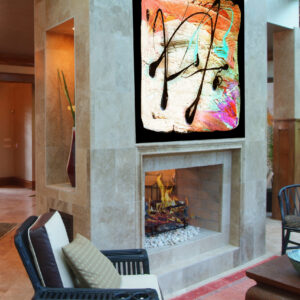
“Happy Trails” thrives in curated environments—whether set in a minimalist modern loft, a refined corporate lobby, or a private collection that prizes contemporary abstraction. Its dynamic composition transcends decorative function, serving as a focal point that commands contemplation and conversation. It interacts with its surroundings, offering new subtleties when viewed at different times of day or under varying light conditions. The painting’s chromatic energy adapts fluidly to its architectural context, making it a versatile centerpiece for interior design.
Collectors have long sought works that not only beautify a space but also enrich the way occupants inhabit it. On this front, “Happy Trails” excels. It engages with scale and proportion, shifting the viewer’s perception of room dimensions while offering an emotional anchor that transforms passive walls into active aesthetic statements.
An Invitation to Discover
In every sense, “Happy Trails” is an invitation—an open call to reflect, to remember, and to explore. It defies the static nature of mere wall decoration and embodies the living pulse of artistic intention. Like the best abstract works, it is beautifully ambiguous yet profoundly expressive, beckoning viewers to return again and again to see what new layers of meaning may reveal themselves.
For those who appreciate depth, authenticity, and contemporary sophistication in original art, “Happy Trails” stands as an exceptional addition to any curated collection—a work that merges timeless artistic pursuit with personal introspection.