Brian Culbertson Musician Fine Art
“Music is a universal language. It doesn’t matter where you’re from or what language you speak—music brings people together.” — Brian Culbertson
Every great musician leaves behind more than melodies—they leave memories. A single performance has the power to transport us back to a particular evening, a meaningful relationship, or a defining chapter of our lives. Brian Culbertson has spent decades creating exactly those kinds of moments. Blending smooth jazz, funk, R&B, soul, and contemporary instrumental music, he has become one of the most recognizable and celebrated artists in modern jazz. His performances are not simply concerts; they are experiences built upon rhythm, elegance, and emotional connection.
This original painting was inspired by that same spirit.
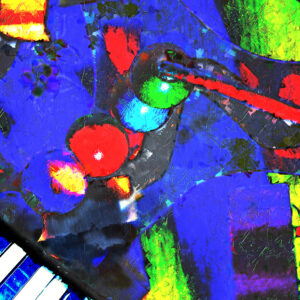
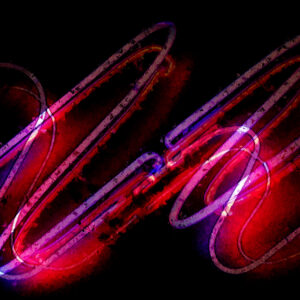
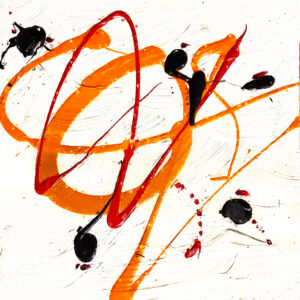
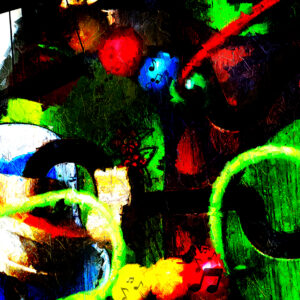
Rather than attempting to create a photographic likeness, I wanted to capture the movement, energy, and atmosphere that surround Brian Culbertson whenever he performs. Music exists in constant motion, and abstract expression allows a painting to move in much the same way. Bold color transitions become changing harmonies. Layered textures resemble improvisation. Sweeping brushstrokes echo the flowing lines of a saxophone or keyboard solo. Every layer contributes to the visual rhythm of the composition.
As an artist with more than five decades of painting experience, I have always believed that fine art and music share a common language. Neither requires explanation. Both communicate directly with the heart. Before a viewer analyzes a painting intellectually, they respond emotionally. Before a listener understands every note, they feel the performance. That immediate emotional connection is what makes both art forms timeless.
Brian Culbertson’s music has always possessed an uncommon sense of sophistication without sacrificing accessibility. Whether performing an intimate piano passage or leading an energetic full-band arrangement, his compositions balance technical excellence with warmth and optimism. That same balance became the guiding influence behind this painting.
Color became my orchestra.
Deep blues suggest late-night jazz clubs where conversations fade beneath the music. Brilliant golds recall stage lighting reflecting from polished brass instruments. Rich crimson tones introduce passion and excitement, while contrasting whites and blacks establish rhythm and visual pauses much like silence between musical phrases. Every color serves as another instrument contributing to the complete composition.
Texture became improvisation.
Jazz has always celebrated spontaneity, encouraging musicians to create in the moment while remaining grounded by structure. Painting often follows that same philosophy. Although every composition begins with a vision, some of its most compelling moments emerge unexpectedly. A brushstroke leads to another. A layer reveals hidden depth beneath it. Accidental discoveries become intentional beauty. This freedom mirrors the very essence of jazz performance.
Collectors frequently tell me they are drawn to artwork that continues revealing new details over time. I believe that happens when a painting contains movement rather than simply depicting an object. This piece changes throughout the day as natural light moves across its textured surface. Morning light emphasizes subtle color transitions, while evening illumination deepens the dramatic contrasts. Much like hearing a favorite song repeatedly over many years, each viewing offers something slightly different.
The portrait also celebrates the relationship between visual art and live performance. Musicians fill a room with sound that disappears into memory once the final note is played. A painting preserves that emotional energy in a permanent form. It becomes a lasting reminder of concerts attended, favorite recordings, and personal milestones connected to the music.
Collectors of music-inspired artwork often share fascinating stories. Some remember their first jazz festival. Others recall road trips soundtracked by favorite albums or evenings spent listening with close friends and family. These memories become intertwined with the artwork itself, transforming it into something far more meaningful than decoration. It becomes part of a personal history.
Original artwork carries a presence that cannot be replicated through mass production. Every brushstroke reflects a decision made by the artist’s hand. Every layer records moments of creativity that unfolded inside the studio. No two originals are ever identical because no two creative journeys are exactly alike. That uniqueness is precisely what attracts serious collectors who appreciate authenticity and craftsmanship.
My goal with this Brian Culbertson painting was not merely to portray a successful musician but to celebrate an artist whose career has inspired audiences around the world. His music demonstrates elegance, optimism, technical brilliance, and genuine joy—qualities I sought to express visually through abstraction rather than literal representation.
Whether displayed in a music room, executive office, private lounge, luxury residence, recording studio, or dedicated art collection, this original painting serves as a conversation piece for those who appreciate both exceptional music and contemporary fine art. It invites viewers to remember concerts, revisit favorite albums, and celebrate the remarkable ability of music to unite people across generations and cultures.
Great musicians compose with notes.
Great painters compose with color.
When those two worlds meet, they create something that continues long after the final song has ended—a lasting celebration of creativity, imagination, and the universal language that both music and fine art so beautifully speak.