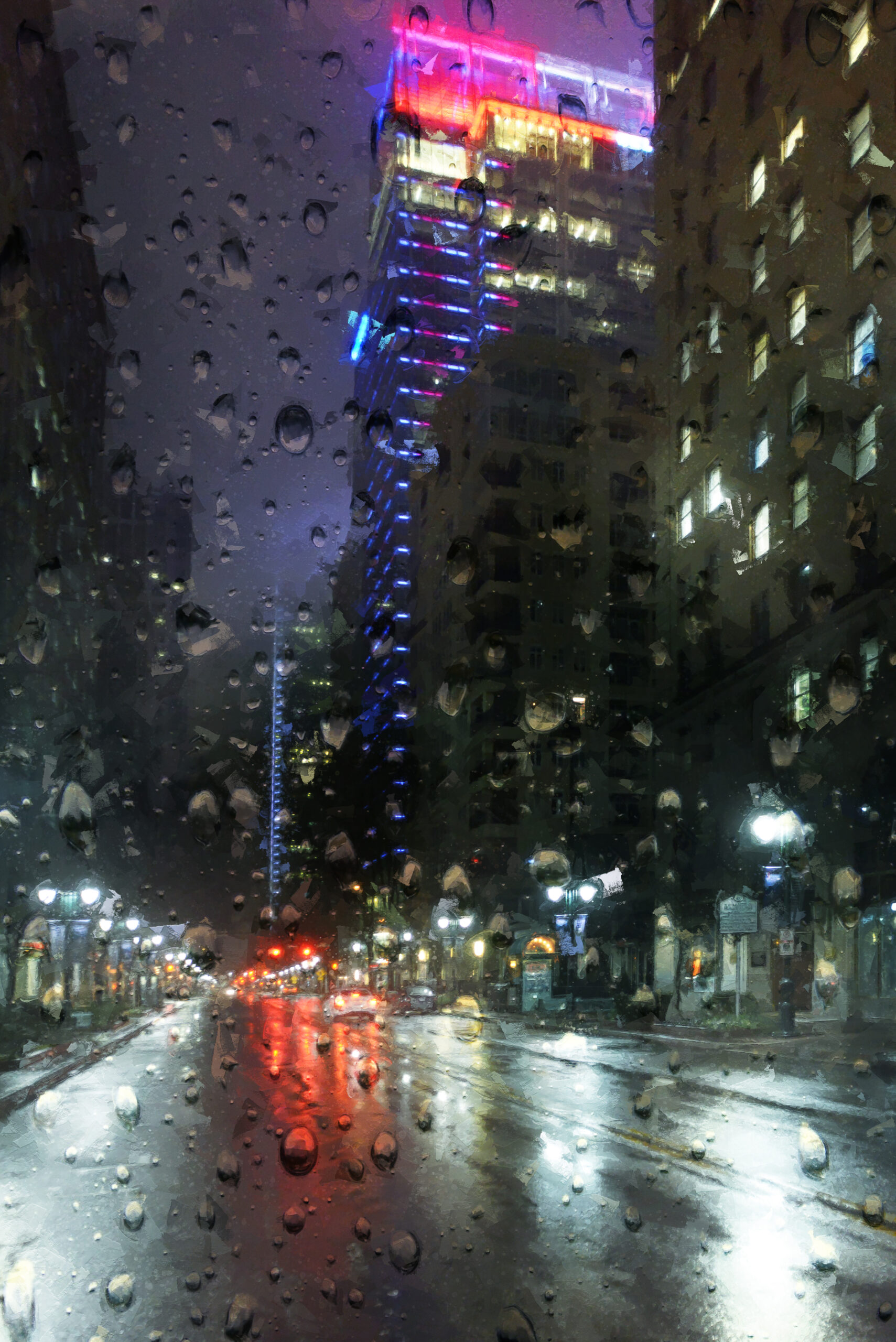
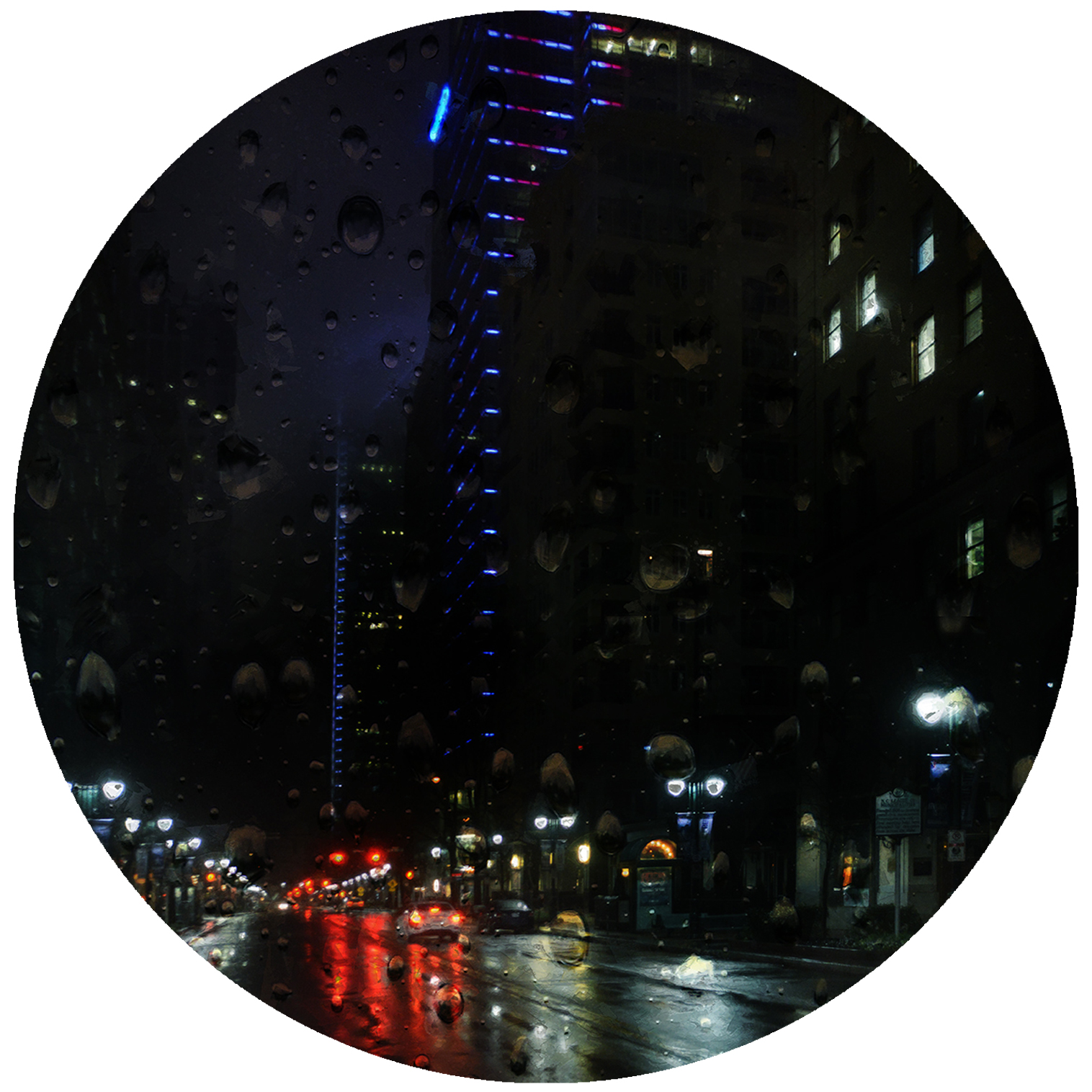
Charlotte at Night – Original Painting on Canvas
By Michael John Valentine
There are cities that dazzle in daylight, and there are cities that truly awaken after sunset. Charlotte belongs to the latter. When evening descends and the southern sky deepens into indigo, Uptown transforms into a constellation of architecture and ambition. Glass towers shimmer. Reflections ripple. Steel and light compose a symphony of modern elegance. Charlotte at Night captures that moment—not simply as a skyline, but as a living pulse.
In this original painting, the city is not static. It breathes.
The skyline rises with confident verticality, each illuminated window a testament to aspiration and industry. The composition draws the eye upward through rhythmic lines of light, balanced by the grounding depth of the foreground. The glow of office towers and high-rises creates a mosaic of gold, ivory, and electric blue—tones carefully layered to evoke both warmth and sophistication. There is a deliberate restraint in the palette, allowing light itself to become the dominant subject.
What distinguishes this work is not merely architectural accuracy, but atmosphere. The night sky is rendered with subtle tonal gradations—deep navy melting into velvety black—suggesting the hush that follows the close of business hours, when the city belongs to dreamers rather than deadlines. Reflections dance along the surface below, fractured yet harmonious, mirroring the skyline in softened abstraction. The interplay between structure and shimmer invites contemplation.
Charlotte, often called the Queen City, carries a regal confidence rooted in both history and innovation. As one of the South’s fastest-growing financial centers, it represents forward motion. Yet at night, the pace slows just enough to reveal its poetry. In this painting, the architecture feels less like concrete and steel and more like illuminated sculpture—monuments to vision.
Brushwork is intentional and layered. Structural lines are confident and assured, while the handling of light is expressive and atmospheric. The windows are not painted one by one in mechanical repetition; instead, they emerge as clustered impressions, allowing the viewer’s imagination to complete the detail. This technique creates vibrancy. The eye perceives motion where there is none. The skyline seems alive.
The composition balances grandeur with intimacy. Though the city towers dominate the canvas, there is a sense that the viewer stands quietly within it—perhaps on a terrace, perhaps across the water—witnessing the glow from a privileged vantage point. It is not overwhelming; it is inviting.
Collectors who appreciate urban nocturnes will recognize the lineage of this work: the tradition of painters who explore the relationship between man-made light and natural darkness. Yet Charlotte at Night remains distinctly contemporary. Its clarity of form and refined luminosity speak to modern sensibilities. It does not romanticize the city with nostalgia; it honors it with presence.
Emotionally, the painting resonates with ambition and serenity in equal measure. The lit windows suggest stories unfolding behind glass—late meetings, quiet reflections, celebrations, solitude. Every illuminated square represents human endeavor. Yet from afar, these individual moments dissolve into a harmonious whole. The message is subtle but powerful: within the vastness of a cityscape lies countless individual dreams.
As a statement piece, this original canvas commands attention without demanding it. In a refined interior—whether a private study, executive office, or contemporary living space—it becomes a focal point of quiet authority. The cool blues and radiant highlights complement modern architecture, metallic finishes, and minimalist design. At the same time, its warmth ensures it never feels sterile. It bridges corporate sophistication and personal inspiration.
Texture plays a crucial role in elevating the work beyond mere depiction. Layered paint catches light differently across the surface, creating depth that shifts depending on the viewing angle. In person, the city does not lie flat; it emerges. The physicality of the medium reinforces the dimensional illusion of the skyline itself.
This is not simply a portrait of Charlotte; it is a meditation on progress. The upward thrust of skyscrapers symbolizes growth. The illuminated crownlines and glowing grids reflect stability and innovation. For collectors connected to the Carolinas—whether by residence, business, or memory—this painting carries personal significance. It captures a city in its most luminous hour.
There is also an underlying stillness. Despite the implied movement and energy, the scene feels suspended in a timeless moment. Night has paused. The skyline glows steadily, unwavering. In that stillness lies power.
Original works such as this hold a presence that reproduction can never replicate. The scale, texture, and nuanced layering of paint create a tactile experience that belongs solely to the collector who acquires it. Each brushstroke carries intention. Each highlight is hand-placed. No two moments of reflection across the canvas are identical.
Charlotte at Night stands as both tribute and testament—to a city rising confidently into the future, and to the enduring allure of light against darkness. It invites the viewer not only to observe, but to feel. To remember evenings spent under glowing towers. To imagine possibilities illuminated in the windows above.
For the discerning collector, this painting offers more than aesthetic appeal. It offers connection—to place, to progress, to the quiet majesty of a skyline that refuses to fade into shadow.