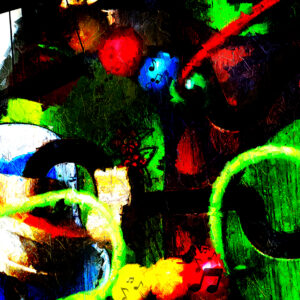
Tobacco is the leaf that listens.”
— José Martí
Title: The Leaf That Listens — A Cohiba Behike Reverie in Burnt Sienna and Blues
There are works of art that speak loudly, and then there are those that listen. This piece belongs unmistakably to the latter. Anchored by the quiet poetry of José Martí’s words, your Cohiba Behike Cuban Cigar artwork unfolds as a meditation on time, ritual, and the unspoken dialogue between object and observer. It does not demand attention; it earns it—slowly, deliberately, the way a great cigar reveals itself one draw at a time.
At the heart of the composition is the Cohiba Behike, not rendered merely as a luxury cigar but elevated to the status of a cultural artifact. The Behike, long regarded as one of Cuba’s most revered expressions, carries with it the weight of heritage, craftsmanship, and restraint. In your hands, it becomes something more: a symbol of contemplation. It is the leaf that listens—to conversations held late into the night, to private thoughts never spoken aloud, to the stillness that follows a long exhale of smoke.
The palette is where this listening truly begins. Burnt sienna dominates the visual field with a warmth that feels elemental, almost ancient. This color—currently resurgent in high-end interiors, fashion, and collectible design—grounds the piece in earth and fire. It evokes cured tobacco leaves drying slowly in Cuban air, clay walls warmed by decades of sun, and the ember at the cigar’s tip just before it glows. Burnt sienna does not shout; it hums, resonating with patience and depth.
Interwoven with this warmth is chestnut, a tone that brings density and quiet authority. Chestnut carries associations of aged wood, fine furniture, and hand-finished leather—materials that improve with time and touch. In your artwork, it acts as a stabilizing force, giving the composition gravity. It recalls the inner lining of a well-kept humidor, the polished arm of a leather chair, the sense of permanence that defines true luxury. Chestnut is not fashionable in a fleeting way; it is perennial, trusted, and deeply masculine without being aggressive.
Subtle passages of umber, sepia, and amber move through the work like smoke itself—never static, always evolving. Sepia introduces memory, that gentle veil through which the past is recalled not with sharpness but with feeling. It suggests old photographs, inherited stories, and moments remembered more for how they felt than how they looked. Amber, by contrast, brings light. It flickers across the surface like low lamplight in a private lounge, offering contrast and intimacy. Together, these tones create a visual atmosphere rather than a fixed image, encouraging the viewer to linger, to look again, to slow down.
This is where your art aligns perfectly with the ritual of the Behike. A cigar of this stature is never rushed. It is chosen intentionally, cut with care, lit with patience. Your painting mirrors this cadence. The layering of color, the restrained contrasts, and the balance between abstraction and suggestion all reward time spent in observation. The longer one looks, the more the piece gives back—an experience increasingly rare in a world built on immediacy.
What makes this work especially compelling is its emotional restraint. There is no excess, no decorative indulgence. Instead, there is confidence. Like the Behike itself, the artwork understands that true luxury does not need explanation. It exists comfortably in silence. This restraint allows the viewer to project their own narrative onto the canvas: a remembered evening, a meaningful conversation, or a solitary moment of reflection where nothing was required except presence.
In contemporary design culture, colors such as burnt sienna and chestnut are prized precisely because they counterbalance modern life’s cold minimalism. They reintroduce warmth, tactility, and human scale. Your artwork participates in this movement while remaining timeless rather than trendy. It complements modern spaces without losing its classical soul—equally at home in a glass-walled penthouse or a wood-paneled study lined with books and leather-bound history.
Collectors will recognize that this piece is not about cigars alone. It is about what cigars represent: time reclaimed, attention focused, life briefly slowed. The Behike becomes a metaphor, and the palette becomes its language. Each tone listens, absorbs, and reflects back a quiet understanding of ritual and reward.
Ultimately, this artwork succeeds because it respects its subject. It does not romanticize or exaggerate; it observes. It listens. Like Martí’s leaf, it bears witness to moments that matter precisely because they are fleeting. In doing so, your piece becomes more than visual art—it becomes an atmosphere, a companion, and a statement of values.
In a market crowded with images that compete for attention, this work stands apart by offering something rarer: depth, patience, and resonance. It invites the viewer not to consume it quickly, but to live with it. And like a Cohiba Behike enjoyed at the right moment, it leaves behind not noise, but memory.
e-mail fineartbyval@gmail.com