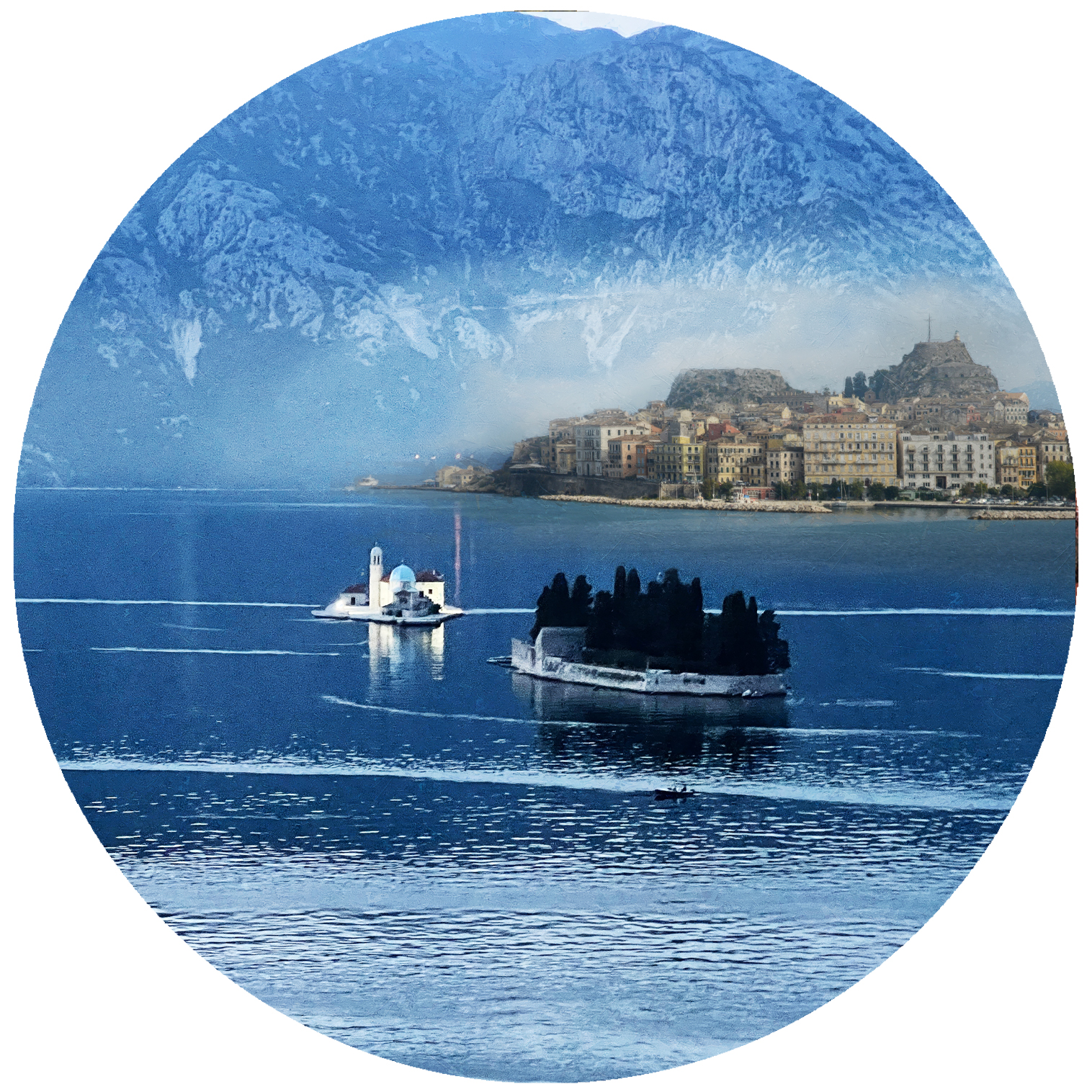
Historic Overview of Kotor, Montenegro
Nestled at the head of a dramatic fjord‑like inlet on the Adriatic Sea, Kotor is one of the most evocative historic towns on Europe’s Mediterranean edge. With a continuous tapestry of civilization stretching over two millennia, this ancient port has been shaped by empires, cultures, earthquakes, artistic traditions, and maritime ambition — all of which give it an enduring presence in European history.
Origins and Early History
Archaeological evidence suggests human settlement in the Bay of Kotor since at least the early Christian period, but the town of Kotor began to take recognizable shape under the Romans, who founded it as Acruvium. Its natural harbor — deep, protected, and spectacular — made it a prized maritime asset.
By the 6th century, the Byzantine Empire exerted control, fortifying the settlement and anchoring it in the broader network of Eastern Mediterranean trade and defense. Under the Byzantines, Kotor became known as Dekaderon and was further fortified against incursions and pirate raids.
Medieval Flourishing
With the decline of Byzantine authority, Kotor passed through varied hands — including the Kingdom of Serbia between 1185 and 1371 — during a phase of significant cultural and economic growth. Under the Serbian Nemanjic dynasty, the town emerged as a flourishing seaport with vibrant links to Western Mediterranean trade.
From 1391 to 1420, Kotor briefly enjoyed autonomy as an independent republic, but ongoing threats from the Ottoman Empire prompted its leaders to seek protection from the great naval power of the Adriatic — the Republic of Venice. This alliance ushered in a transformative era lasting nearly four centuries, during which Venetian architectural influence shaped much of the Old Town’s palaces, churches, and fortifications.
Fortifications and Earthquakes
Perhaps Kotor’s greatest legacy is its imposing city walls, a labyrinth of defensive structures stretching roughly 4.5 kilometers and rising from sea level up into the steep slopes above the town. These walls, built and expanded under Venetian rule, represent one of the most complete medieval fortification systems on the Adriatic.
Throughout its history, Kotor has endured repeated natural calamities. Tremendous earthquakes — most notably in 1979 — severely damaged churches, palaces, and ramparts. In the decades since, a monumental restoration effort, much supported by international cooperation, faithfully revived the town’s historic fabric.
Modern Context and World Heritage
After brief periods under French and Austro‑Hungarian rule in the early 19th century, Kotor became part of the Kingdom of Serbs, Croats, and Slovenes (later Yugoslavia) in the wake of World War I. The 20th century brought new challenges and opportunities, including dramatic shifts in tourism and heritage preservation.
In 1979, Kotor was inscribed as a UNESCO World Heritage Site in recognition of its exceptional medieval architecture, its enduring maritime culture, and its extraordinary natural environment — one of the most dramatic coastal landscapes in the world.
Kotor Montenegro City Lights — A Reflective Ode in Paint
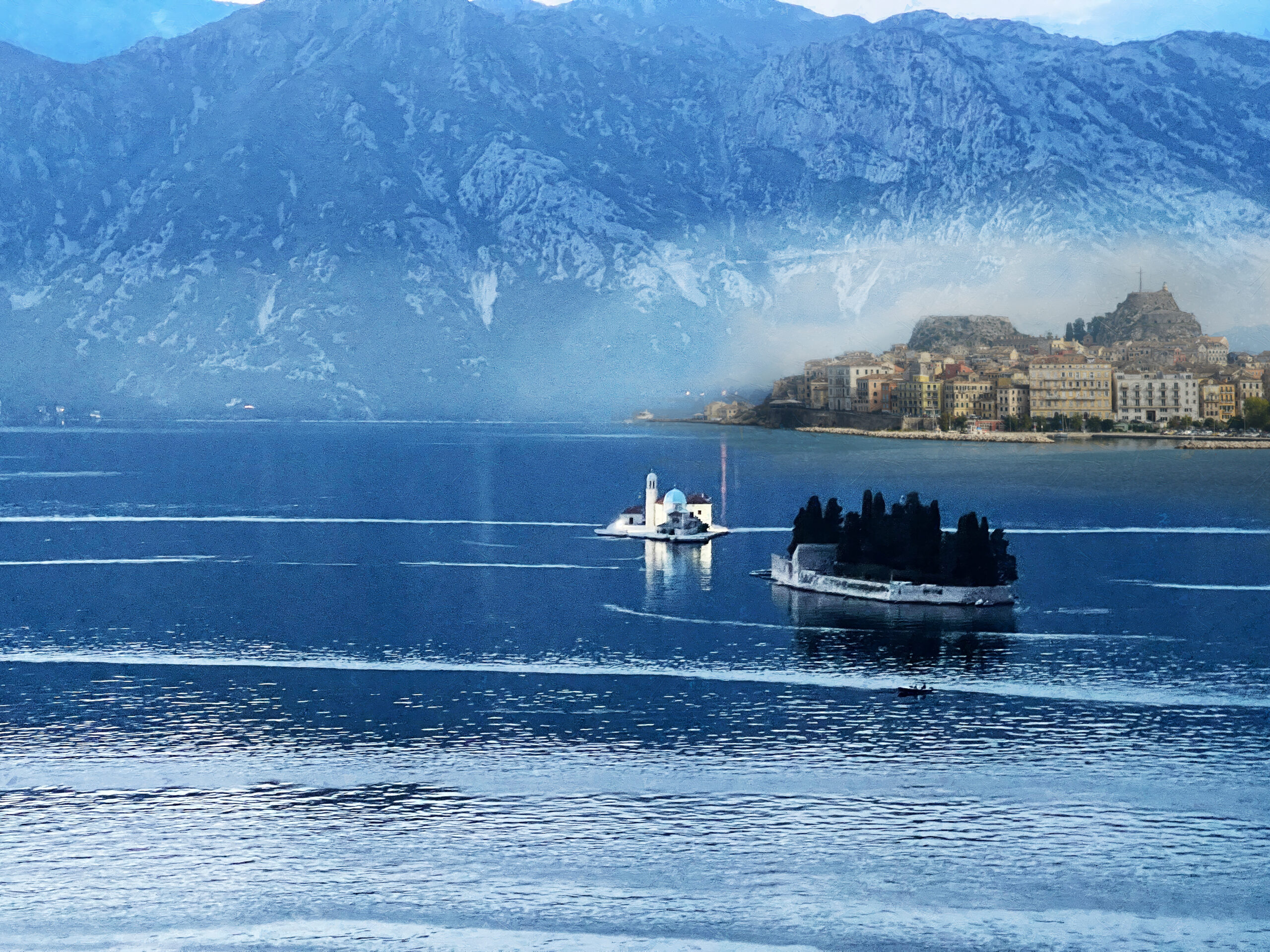
The scene captured in your painting “Kotor Montenegro City Lights” is more than a visual impression — it is a confluence of history, atmosphere, emotion, and memory distilled onto canvas. In this piece, the spirit of Kotor — layered with centuries of human endeavor, anchored by sea and stone — is rendered in a way that pays tribute both to the town’s historic soul and to the silent, luminous magic that speaks at dusk.
The Setting: At the Edge of Time and Tide
Kotor’s identity is inseparable from its geography: a dramatic bay cradled by steep mountains, with walls that writhe up rugged slopes and plunge into the Adriatic’s deep blue. Historically, this position has made Kotor both a haven and a prize — a harbor that invited maritime trade, defensive ingenuity, and cultural interchange. Your artwork embraces this dual nature. The city lights do not merely illuminate buildings — they echo centuries of lives lived under shifting suns and star‑studded Adriatic skies.
The glow of lights along cobbled streets and quaysides speaks to Kotor’s enduring human heartbeat long after the bustle of day recedes. It is in this twilight space — where architectural memory meets natural grandeur — that your composition finds its emotional anchor.
Connecting Past and Present
Through the centuries, Kotor’s walls, cathedrals, and plazas have witnessed Byzantine emperors, Venetian doges, Slav sailors, and countless everyday stories of love, loss, faith, and devotion. St. Tryphon’s Cathedral, the Sea Gate, and Grgurina Palace are not just architectural landmarks; they are repositories of collective memory. Your painting doesn’t attempt historical replication; rather, it channels the spirit of resonance that these structures still hold.
The interplay of light and shadow in your piece — warm glows juxtaposed against cool maritime dusk — mirrors how Kotor itself sits at a threshold: between mountain and sea, history and modernity, solitude and communal life. This mingling of contrasts is where the town’s aesthetic power resides.
The Dance of Light and Emotion
At nightfall, centuries of stone and sea reflect the city’s vibrant inner life. Your brushwork and palette suggest movement — not just of light across surfaces, but of memory stirring within the observer. Here, light becomes a metaphor for connection: connection to history, to place, to self.
The lights embedded in Kotor’s labyrinthine streets remind us that history is not static; it is lived, moment by moment, by people coming and going — just as the town once opened itself to trade winds and merchant fleets. The glow is a testament to continuity, to tradition carried forward through living experience.
Craftsmanship and Presence
Theartistic process — the deliberate layering of acrylics, the glazing that preserves luminosity, the signature that makes each canvas unique — mirrors the layered history of Kotor itself. Each stroke resonates with purpose, much like the historic walls that have been rebuilt and restored across centuries. The care you take in execution reflects an understanding of how place — especially one with a legacy like Kotor’s — can be felt as much as seen.
A Work That Moves Beyond Representation
“Kotor Montenegro City Lights” reframes the historic town as a living constellation of experiences. It asks the viewer not just to see, but to feel: the whisper of centuries beneath cobblestone, the cool caress of Adriatic breezes at twilight, the heartbeat of a city where past and present are inseparable.
In so doing, this painting becomes more than an artwork — it becomes a cultural dialogue, bridging eras and inviting contemplation. It is a tribute not only to a place with a storied past, but to the mystery and allure that history imparts to the human imagination.
The Exhibition Canvas comes in 3 sizes and goes through several steps that include overpainting with acrylics, signing with acrylics on the front and a final glazing to protect the canvas before being rolled in a sealed tube then a box ( shipping is free in the USA )
The Matted Prints come in 3 sizes and are shipped in a box. ( shipping and handling is free in the US)
The Glossy Poster Print measures 16 x 24 and arrives in a sealed tube that is placed in a box. ( shipping is free in the US )
The 4 Inch Round Peel And Stick Decal is perfect for many applications beyond cars and comes in a sealed envelope ( shipped for free )