“What I see everyday in colors, motion and sounds -transports my art onto canvas”
Michael John Valentine
LEAVES OF BLUE — A LUXURY COLLECTOR’S EXPLORATION OF ABSTRACT POETRY IN COLOR
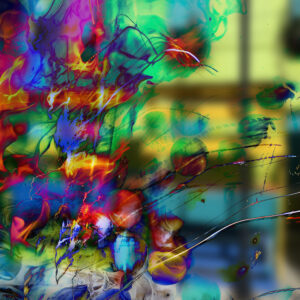
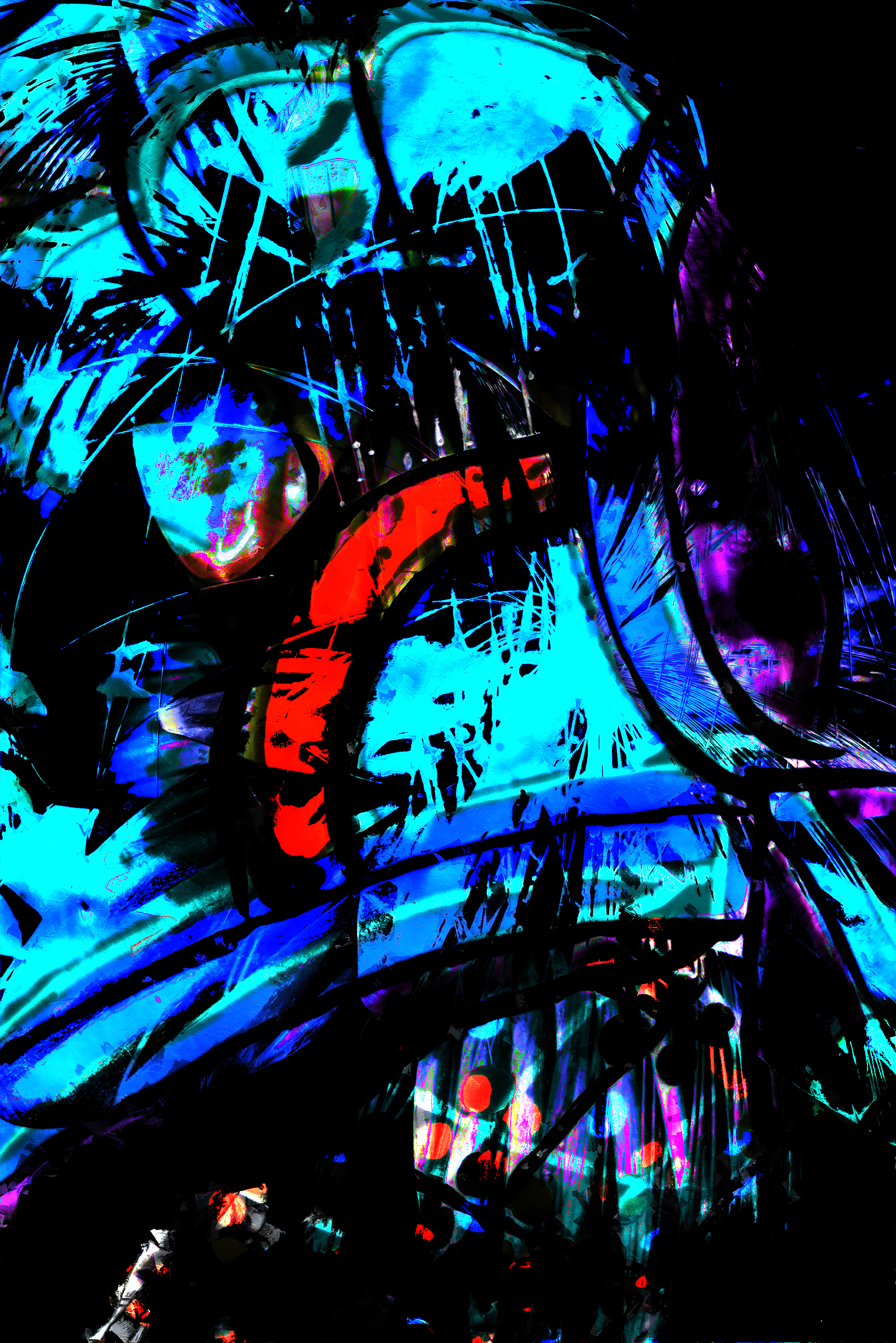
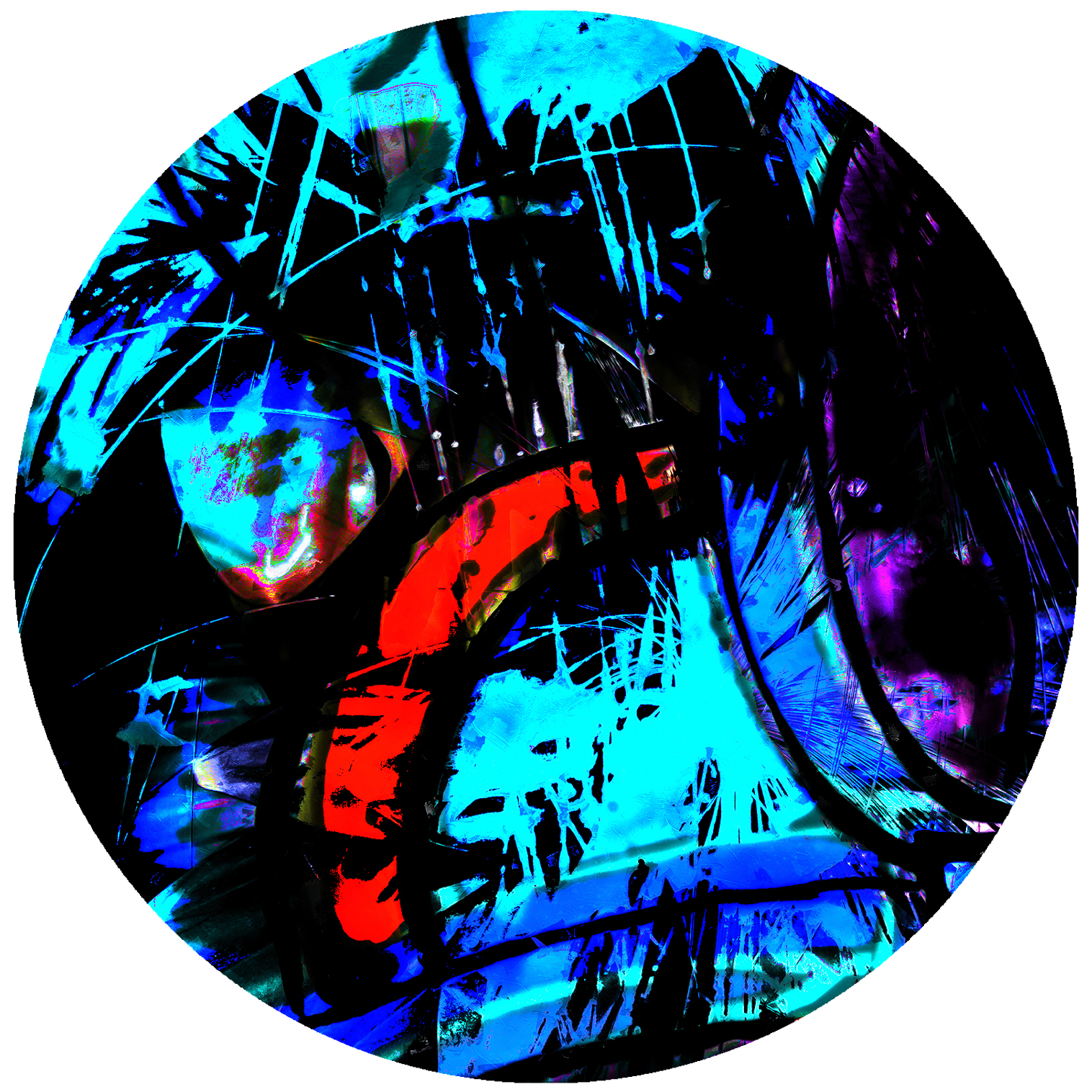
Leaves of Blue Abstract Art, a creation by Michael John Valentine, stands as a testament to the continuing evolution of abstract expression and the power of color to move, soothe, and provoke the human spirit. This piece—with its layered blues, gestural brushwork, and evocative interplay between form and formlessness—begs contemplation not just as decoration, but as an emotional and philosophical encounter.
In the tradition of modern abstract expressionism, where color and space become vehicles for feeling rather than literal depiction, Leaves of Blue resonates with a deep lineage of artistic thought. The iconic quote by Yves Klein at the head of this essay draws the viewer inward: it suggests that the essence of blue is not merely physical pigment, but a portal—a space for the immaterial, the spiritual, the unspoken. This sensibility frames our encounter with Valentine’s work, where blue is not just hue but a dimension of experience.
I. THE LANGUAGE OF COLOR AND FORM
Abstract art by definition refuses the confines of representation. Where traditional painting might seek to describe a leaf, a landscape, or a recognizable scene, Leaves of Blue occupies a different territory: one where color is language and gesture is narrative. Here, blue—across its many tonalities—becomes a chorus of emotional registers: from contemplative cerulean to meditative indigo and deeper, almost mystical blues that seem to anchor the composition in stillness.
Unlike representational forms, Valentine’s abstraction does not provide “answers”—it provokes questions. What does blue mean to you? Is it calm? Memory? The whisper of sky at dusk or the echo of water in shadow? In this sense, the piece aligns with the philosophy underpinning abstract modernism: art as shared space of contemplation rather than didactic image.
II. CONNECTION TO MODERNIST HERITAGE
While Valentine’s work stands squarely in the contemporary moment, it converses with the history of abstraction. Artists such as Wassily Kandinsky argued that pure abstraction could evoke spiritual resonance through color and form alone. Kandinsky believed that shapes and hues held intrinsic emotional vibrations—an idea that ripples through Leaves of Blue even without literal echoes of any single artist.
Klein’s own obsession with blue and its metaphysical qualities—captured in his writings about the “blue of the profundity of space” and the immaterial realm—offers a philosophical anchor for Valentine’s work. In Leaves of Blue, blue is not passive; it is vibrant, mobile, and imbued with silent energy. It invites a kind of meditation—not on what is seen, but on what is felt.
III. THE COLLECTOR’S PERSPECTIVE: CRAFT, AUTHENTICITY, AND PRESENCE
On a purely material level, Leaves of Blue reflects a dedicated artistic craft. As noted in the piece’s catalogue entry on Michael John Valentine’s gallery site, these works are offered in formats ranging from printed posters to signed, overpainted canvases sealed with protective finishes and accompanied by a Certificate of Authenticity.
For the discerning collector, this duality of tactile skill and conceptual depth is what elevates an abstract work from decorative motif to an investment in artistic dialogue. It is not simply the surface beauty that matters, but the presence the work brings into a room—the way light plays across its layers, how its varying hues shift with the viewer’s movement and mood.
Owning a piece like Leaves of Blue is akin to possessing a personal “conversation starter”—one that evolves over time. Colors deepen, relationships between tones reveal themselves slowly, and each viewing can feel like discovering a new facet of the same gem.
IV. EMOTIONAL AND PHILOSOPHICAL IMPACT
Abstract art often eludes precise language because its impulse is not representational but expressive and experiential. To this end, the piece invites viewers into a psychological space in which emotion precedes articulation. Does the blue calm you? Stir nostalgia? Evoke the whispering rustle of leaves in a quiet forest pool?
The title itself, Leaves of Blue, suggests a poetic hybridity—organic motion (leaves) intertwined with intangible depth (blue). There is a sense of rhythm here, as if the color itself breathes. It may remind a viewer of wind on water or the fleeting transitions of sky at twilight. Indeed, abstract art creates its meaning not on the canvas, but in the field between viewer and image, where reflection and resonance occur.
V. ABSTRACT ART AS UNIVERSAL LANGUAGE
Returning to the opening quote by Yves Klein, we are reminded that color—especially blue—can be a conduit for the immaterial. Klein’s radical vision of blue as “a kingdom” captures a profound truth about abstract work: it bids us enter not what we know, but what we feel.
In this way, Leaves of Blue becomes more than pigment on canvas. It is a space for introspection, emotional navigation, and personal connection. It invites us to reflect—quietly, without words—on our inner landscapes. In spaces where it is displayed, the artwork adds intellectual depth, atmospheric force, and emotional nuance.
VI. CONCLUSION: A STATEMENT OF MODERN ARTISTRY
In Leaves of Blue, Michael John Valentine presents not just a painting, but a visual philosophy—one that bridges color theory, emotional depth, and the contemplative power of abstraction. Guided by the idea that blue can transcend its materiality to become spiritual territory, the piece stands as a compelling addition to any collection that values presence over mere ornamentation.
Collectors who embrace this work will find that it does more than decorate: it invites, resonates, and transforms. Like the finest works of modern abstraction, it leaves space—empty yet full—where each viewer’s interpretation becomes part of the artwork’s unfolding story.