“A canvas is an arena in which to act.” — Jackson Pollock
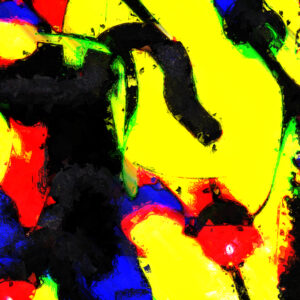
In the spirit of Jackson Pollock’s immersive philosophy—where the canvas becomes not just a surface but a lived space of gesture, impulse, and rhythm—Yellow Flowers by Michael John Valentine transcends traditional abstraction to become both a visceral experience and a testament to the emotional language of color and form.
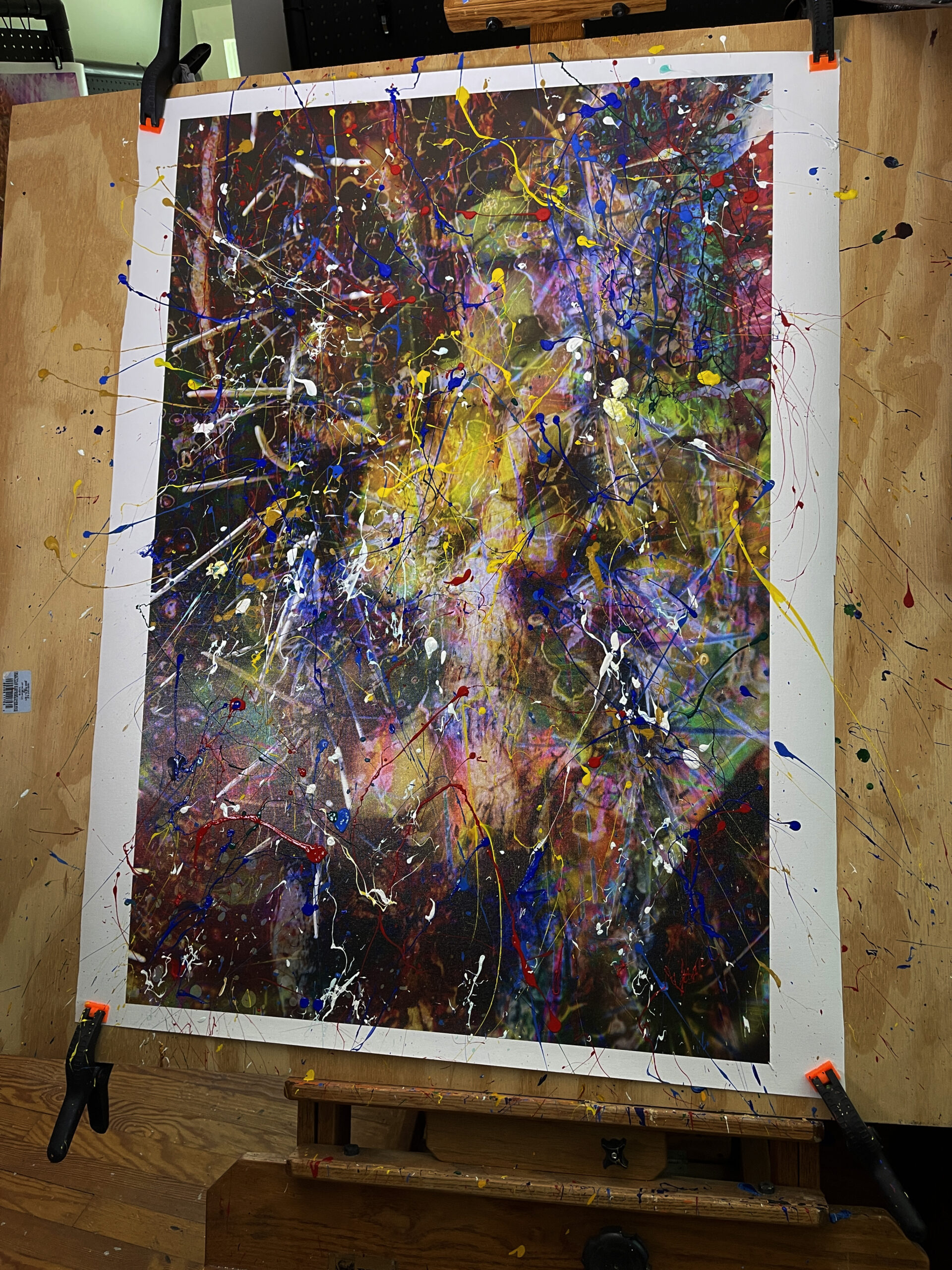
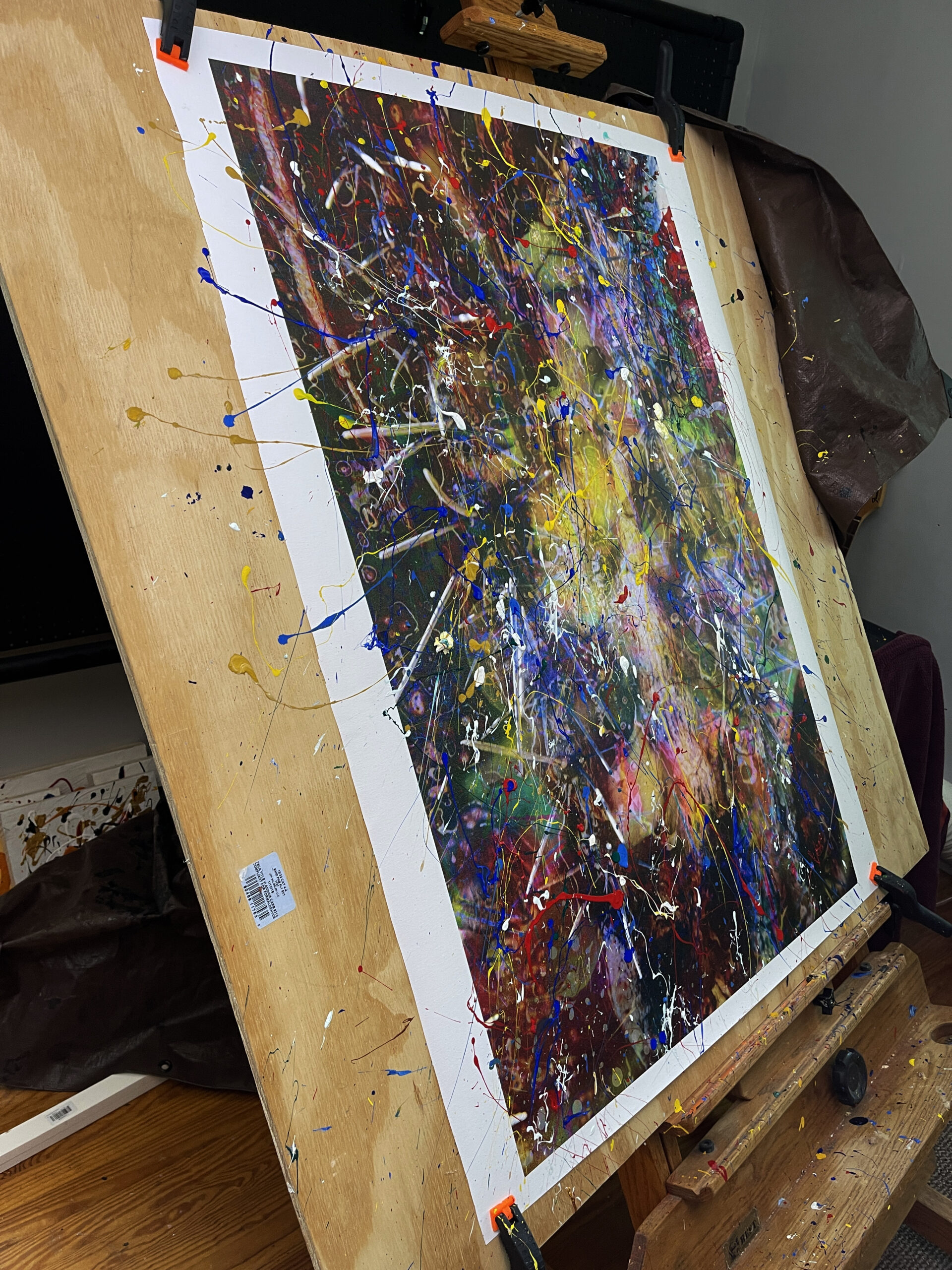
Michael John Valentine’s Abstract Modern Wall Art Titled Yellow Flowers (28 × 42 inches) is a singular work from his studio, meticulously overpainted, signed, and sealed with a protective glaze. Shipped unstretched, this original piece arrives rolled in a heavy-duty tube, inviting you to become its first curator—selecting the frame and orientation that will best magnify its presence within a space.
A Symphony of Chromatic Motion
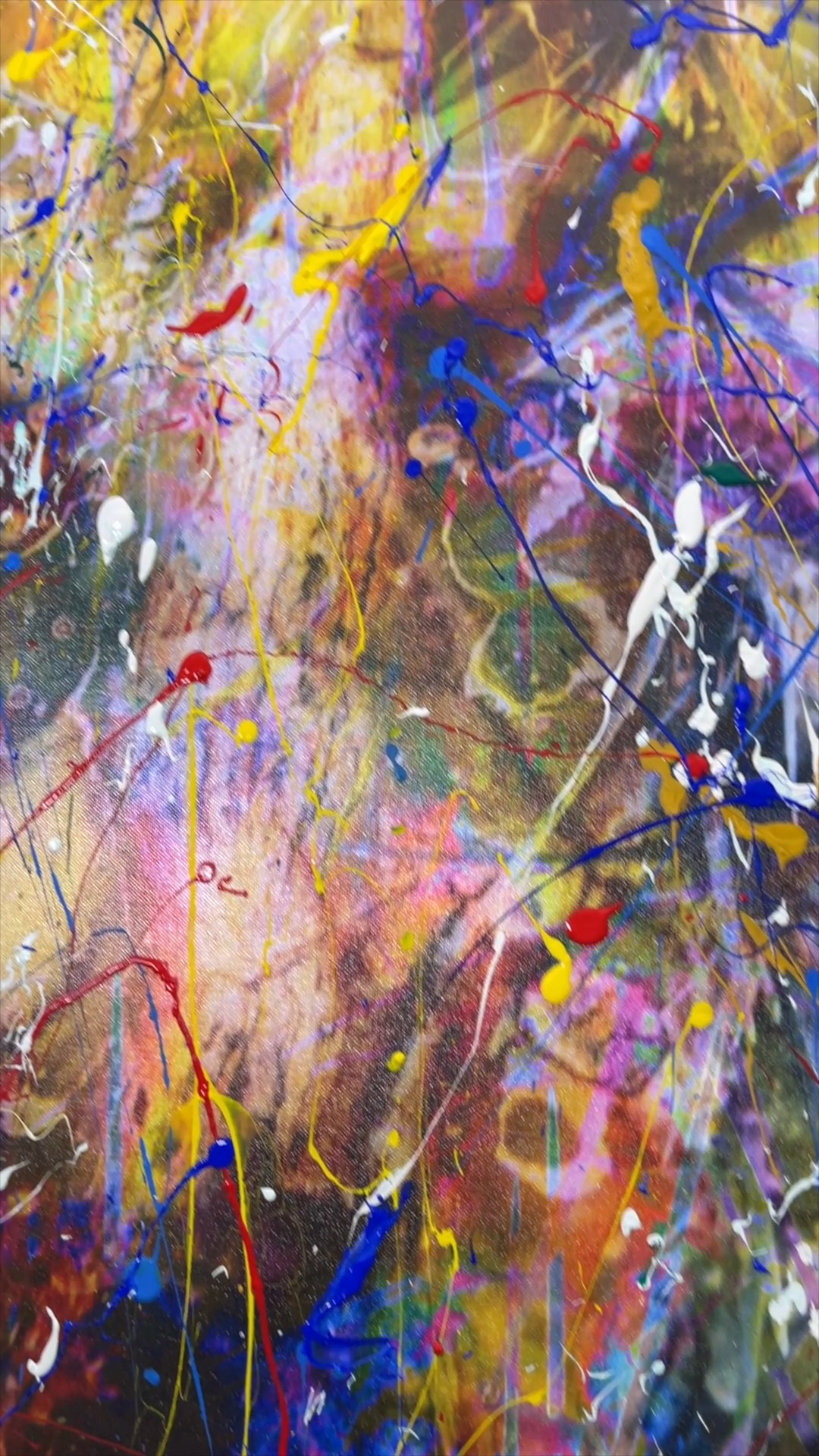
At first glance, Yellow Flowers asserts itself with luminous energy. Unlike representational depictions of floral imagery, Valentine abstracts the essence of blossoms—imbuing each petal with kinetic vitality. What might traditionally be soft and delicate is here vibrant and unrestrained. The yellows do not simply rest on the canvas; they leap, collide, and interlace with underlying tones in a choreography that evokes a garden at full bloom yet refracted through a dreamlike lens.
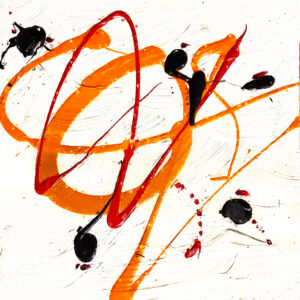
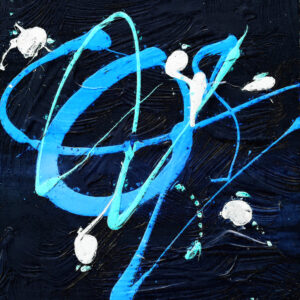
The painting’s rhythm emerges from the tension between spontaneous gesture and refined control—as though each layer was both conceived and discovered in the act of creation. This echoes Pollock’s belief that the artist must “act” on the canvas, allowing unconscious impulse to inform form while navigating a dynamic dialogue between intention and accident.
A Dialogue Between Expression and Perception
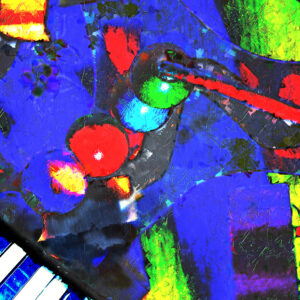
Valentine’s work aligns with a lineage of modern abstraction that privileges emotional immediacy over representational fidelity. Yet unlike certain strains of abstract expressionism that pursue chaos or randomness, Yellow Flowers anchors its exuberance with a compositional balance that feels both inevitable and fresh. There is no single “center” of interest; instead, your eye is invited to wander, pause, and return—discovering interconnected arcs of hue and motion.
The title itself, Yellow Flowers, is an evocative prompt: not a declaration of what the painting is, but an invitation to linger in what it suggests. In this lies its poetic strength. The “flowers” are both presence and metaphor—flourishing in a field of abstraction as symbols of growth, impermanence, and renewal. These motifs resonate deeply when considered alongside Pollock’s assertion that paintings should express feeling rather than illustrate external reality.
Collectible Originality
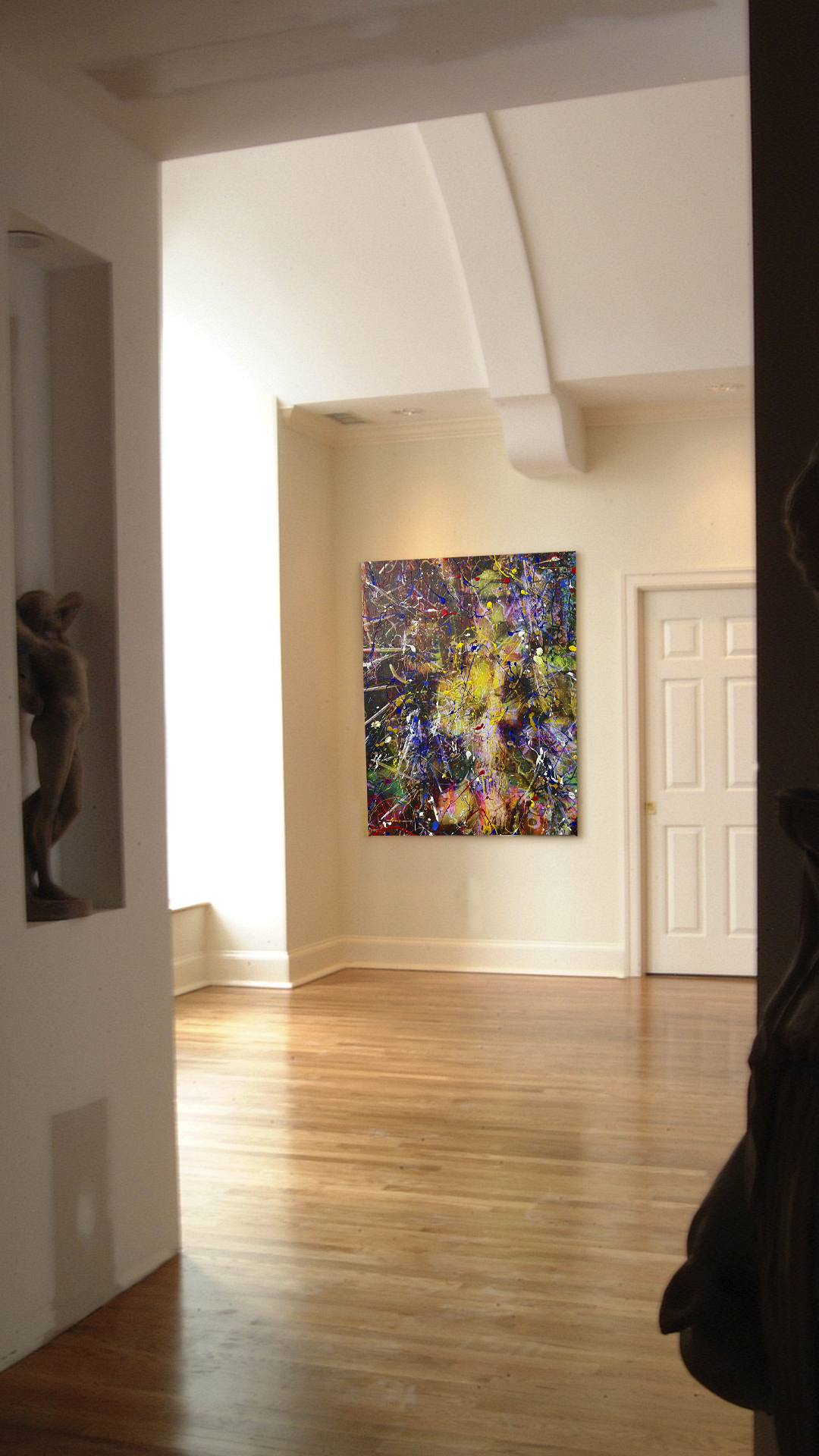
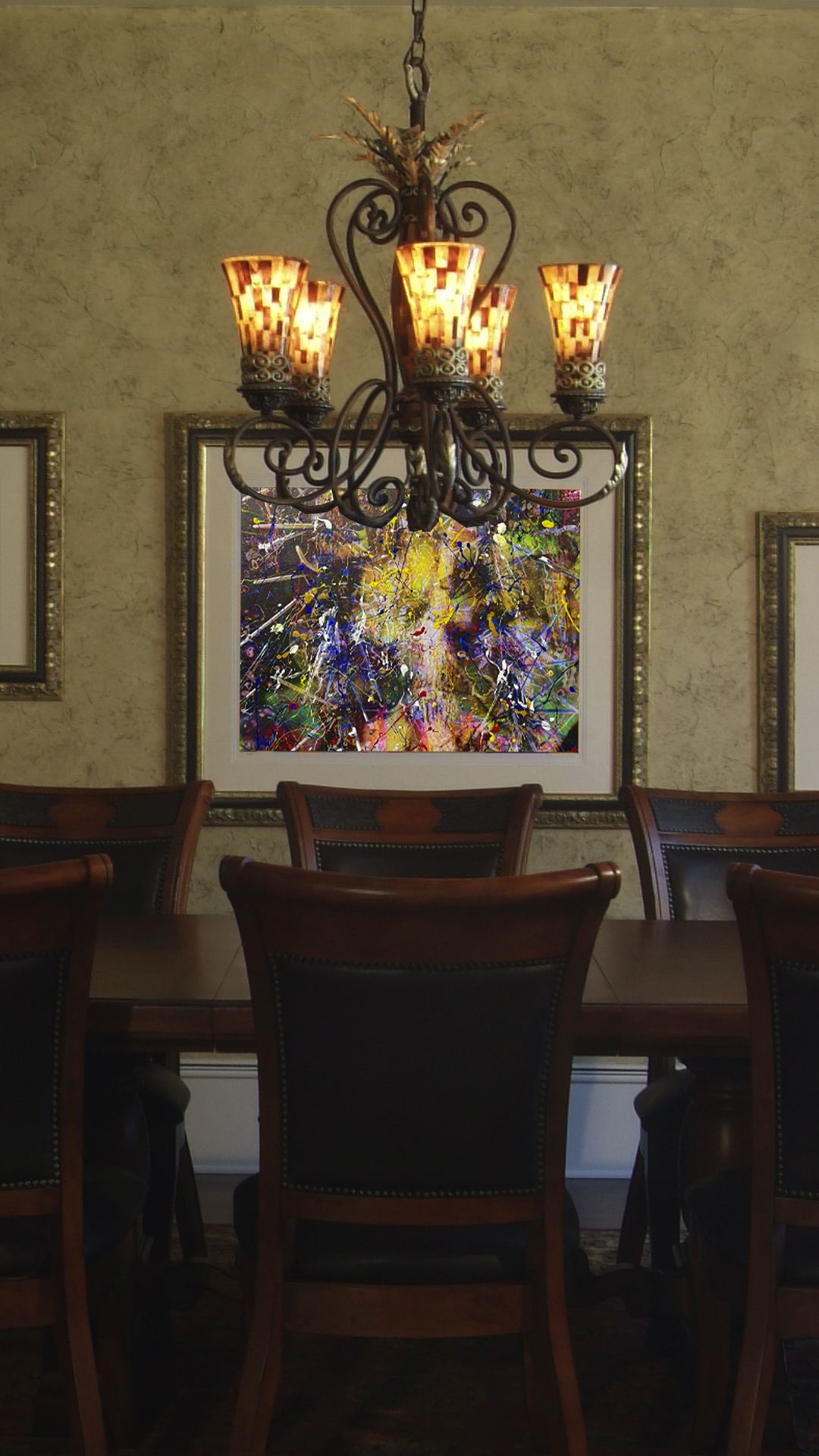
This piece holds its rarity in the fact it is “One in studio”—a unique original signed by Valentine. Its arrival unstretched places agency in the collector’s hands: you choose how this work integrates into your spatial narrative. Whether it becomes a focal point above a mantel, the centerpiece of a modern gallery wall, or the quiet revelation in a contemplative study, Yellow Flowers offers versatility without compromising its artistic identity.
That authenticity is further underscored by the artist’s respectful presentation of the work. The heavy-duty tube and sealed sleeve assure that the canvas reaches you in pristine condition, and its versatile sizing options reflect Valentine’s intent to accommodate diverse collector preferences and architectural contexts.
Legacy and Artistic Context
Michael John Valentine brings over five decades of artistic exploration to his canvases—a journey that began with formal training and evolved through the interplay of photography, mixed media, and abstract painting. His practice is deeply rooted in observation, memory, and tactile engagement with materials. With Yellow Flowers, he synthesizes those lifelong experiences into a work that feels both personal and universal.
While Pollock’s contributions to abstract expressionism redefined how movement, chance, and gesture could be harnessed on a large scale, Valentine approaches abstraction with a sensitivity that foregrounds color’s emotional potency and texture’s narrative power. In doing so, he honors the lineage of modern art while forging a distinct voice that is richly contemporary.
Conclusion: A Work That Breathes
Abstract Modern Wall Art Titled Yellow Flowers is more than a visual artifact—it is a living composition. Like an orchestral score rendered in pigment, it invites sustained attention and emotional interaction. Its radiant yellows and dynamic forms invite viewers to reconsider not just what they see, but how they feel within the space it occupies.
In your home or collection, this painting can serve as a daily reminder that art is not merely decoration—it is a dialogue: between artist and canvas, between canvas and viewer, and between feeling and form. It stands as a testament to the enduring power of abstract expression and a celebration of how color, texture, and intuition coalesce into something profoundly expressive.
One in studio