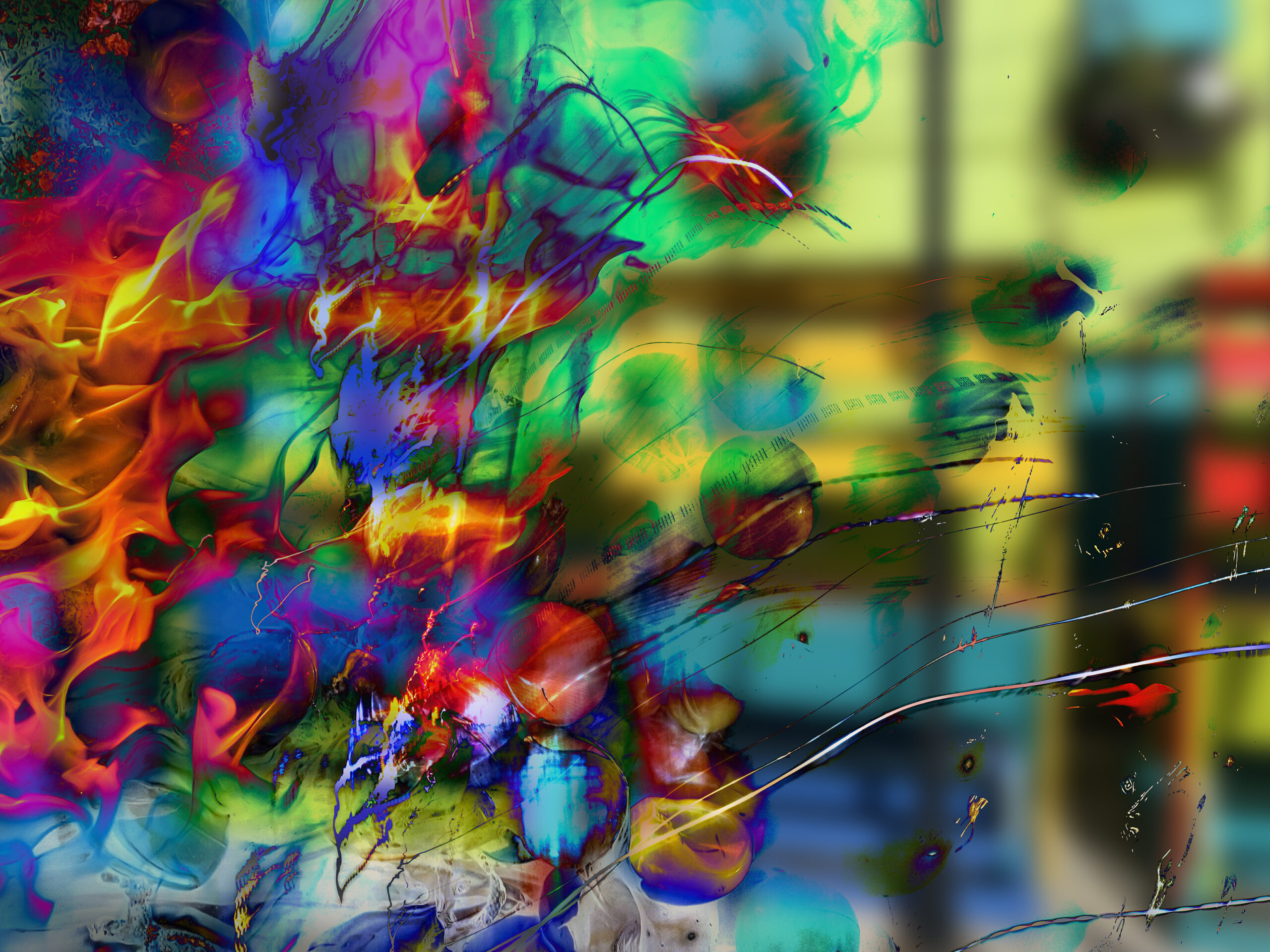
Abstract Moving — A Confluence of Color, Texture, and Motion
In the realm of contemporary abstract art, certain works transcend mere visual expression to become living embodiments of movement, emotion, and atmospheric resonance. Abstract Moving, an original painting on exhibition-grade canvas by acclaimed artist Michael John Valentine, stands as such a piece — a masterful creation where color and texture do not simply coexist but engage in an enduring dialogue that unfolds with every passing moment of viewing.
Rendered with meticulous overpainting and sealed with a luminous protective gloss, Abstract Moving invites collectors into a tactile realm where pigment and surface converge into a nuanced sensory experience. Each variant, available in sizes ranging from intimate 8×10 to commanding 30×63, carries its own distinct presence yet shares an unmistakable kinship in its chromatic depth and layered handling.
Chromatic Dynamics: The Power of Color in Motion
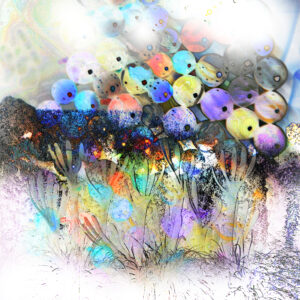
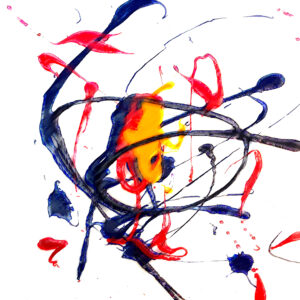
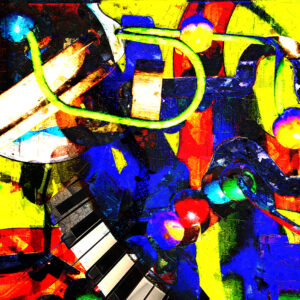
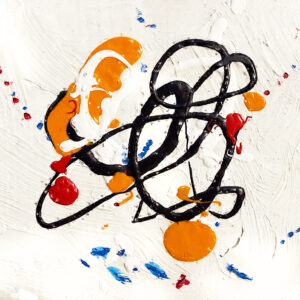
At the heart of Abstract Moving lies its extraordinary use of color — a palette that both seduces and energizes. Rather than presenting static blocks of hue, Valentine orchestrates balletic shifts of tone and intensity across the canvas. Rich, saturated areas undulate against softer, more ethereal passages, creating a visual cadence that feels almost musical in rhythm.
Within this composition, contrasts play a central role: vibrant bursts of primary pigment ripple into auxilary tones, while subtler shades — perhaps muted earth hues or softened pastels — interject calm in the spaces between. This orchestration does more than please the eye; it evokes a sense of perpetual motion, as though the painting itself breathes and pulses with life. Though the exact colors may vary by size or individual variation, the spirit of movement through color remains unmistakable.
This dynamic chromatic interplay mirrors the pulse of life itself — a juxtaposition of order and chaos, harmony and impulse. The piece resists literal interpretation; instead, it speaks directly to feeling, allowing viewers to encounter their own emotions within its chromatic terrain. The colors do not merely decorate the canvas; they inhabit it, performing a continuous interplay that rewards both initial viewing and prolonged contemplation.
Surface and Sensation: Texture as Narrative
While the color in Abstract Moving mesmerizes, the texture invites closer, almost tactile engagement. Valentine’s overpainting technique — a hallmark of his practice — builds the canvas in discernible strata, each layer a testament to the artist’s deliberate hand and refined sensibility.
This is not a flat surface. Instead, there are areas of raised relief, subtle ridges, and painterly peaks where brush and tool have left traces of intentional energy. In some places, thick applications of pigment create shadows that shift with the light; in others, thin glazes allow underlying hues to shimmer through like echoes. The glossy finish heightens this dimensionality, catching highlights that animate the texture and lend the piece a living, almost breathing quality.
Here, texture becomes narrative — evidence of a process in flux, where every stroke marks a moment in the painting’s own unfolding history. These tactile variations do more than create surface interest; they connect the viewer to the artist’s gesture, as though one can feel the rhythm of creation beneath their fingertips. Such attention to surface not only enhances visual impact but also engages the viewer’s instinctual desire for sensory depth — a quality rare in works that prioritize abstract form.
The Artist’s Hand and Emotional Resonance
Michael John Valentine draws on decades of seasoned practice — a lifetime of seeing, capturing, and translating experience. While some artists begin with prefigured intent, Valentine’s process suggests a more organic evolution: photographic memory, intuitive mark-making, and painterly intuition converging on canvas to produce work that feels both deeply considered and spontaneously alive. Though not documented in exhaustive detail for this specific piece, this broader context echoes throughout his oeuvre and is palpably present in Abstract Moving.
The result is an artwork that does not simply show color and texture but invites emotional immersion. Collectors and connoisseurs will recognize that this painting does not yield all its secrets at first glance. Instead, it reveals new complexities the longer one engages with it — a testament to its layered construction and emotional depth.
Presentation, Provenance, and Collector Value
Delivered unstretched and carefully rolled in a sealed, heavy-duty tube, Abstract Moving offers collectors the freedom to choose their preferred aesthetic context — whether gallery-style stretching or custom framing. This method not only ensures impeccable arrival but also respects the collector’s vision for display. Each original comes signed and is eligible for inclusion with a Certificate of Authenticity by the artist, affirming its provenance and status as a unique work of fine art.
In an era of mass-produced decorative prints and derivative design statements, owning an original Michael John Valentine painting establishes a refined, unmistakable commitment to artistic authenticity. This piece is not merely decoration — it is an emblem of discernment, a conversation starter, and a lasting cultural investment.
A Work That Transcends Its Medium
Abstract Moving is more than pigment on canvas. It is a testament to the possibilities of abstraction: a space where color becomes choreography, where texture conveys truth, and where the invisible energies of life — motion, thought, emotion — find form.
For collectors attuned to the subtle language of fine art, this piece stands as an essential acquisition — a work that not only enriches an environment aesthetically but also resonates intellectually and emotionally. It is an homage to abstraction’s power to translate the unseen into the unforgettable.
Owning Abstract Moving is not simply possessing a painting; it is embracing a living visual experience — one whose color and texture continue to unfold long after it leaves the studio.