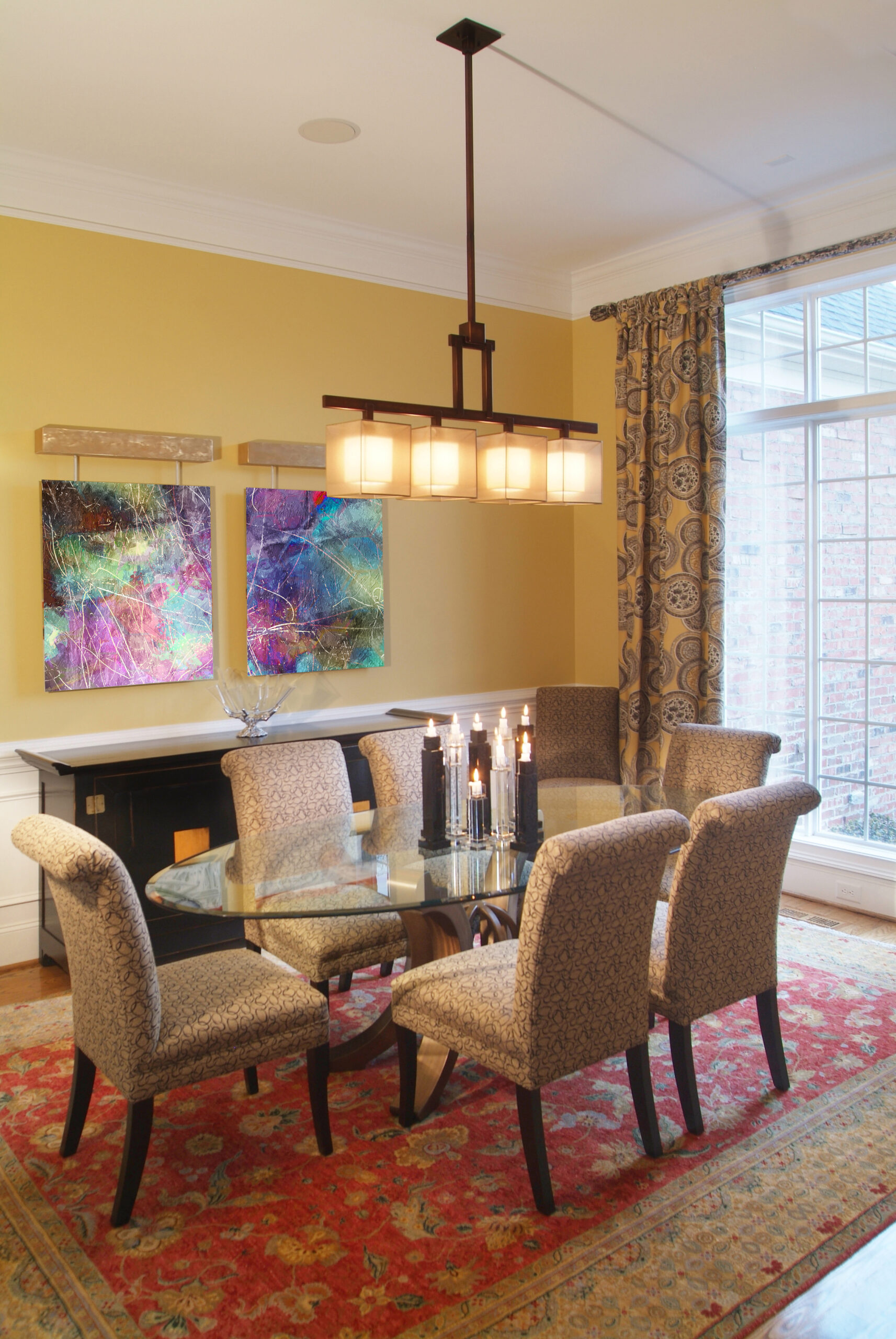
A Statement in Form and Presence: The Modern Abstract Wall Art Diptych by Michael John Valentine
In the realm of contemporary fine art, where the visual language of abstraction continues to evolve and expand, Modern Abstract Wall Art Diptych Original Painting on Canvas emerges not merely as decoration but as a statement—a testament to both artistic mastery and the visceral power of visual experience. Crafted by Cornelius, North Carolina–based artist Michael John Valentine, whose over 55 years of experience and formal training at Kent State University inform every stroke and gesture, this diptych stands as an evocative dialogue between material and imagination, presence and perception.
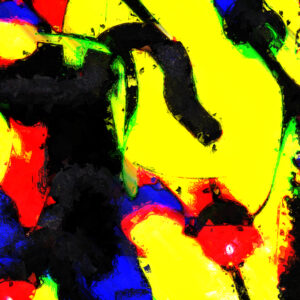
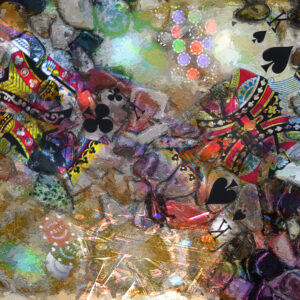
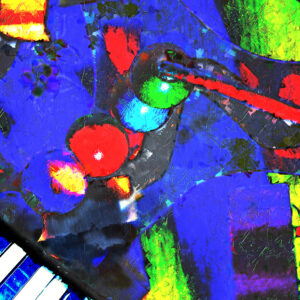
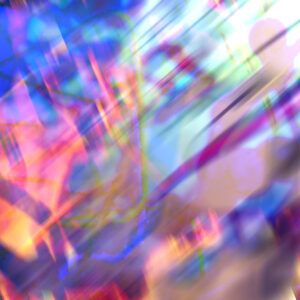
At first glance, the diptych asserts itself with confident scale and compositional energy. Comprised of two harmonized canvases, the work engages the viewer not as a passive visual object, but as an active spatial encounter—drawing the eye across its breadth, guiding attention through rhythm and contrast. Offered in various sizes on exhibition‑quality canvas, this piece accommodates both intimate domestic settings and expansive architectural interiors, offering collectors flexibility without compromise to its commanding presence.
The Material Language of Paint
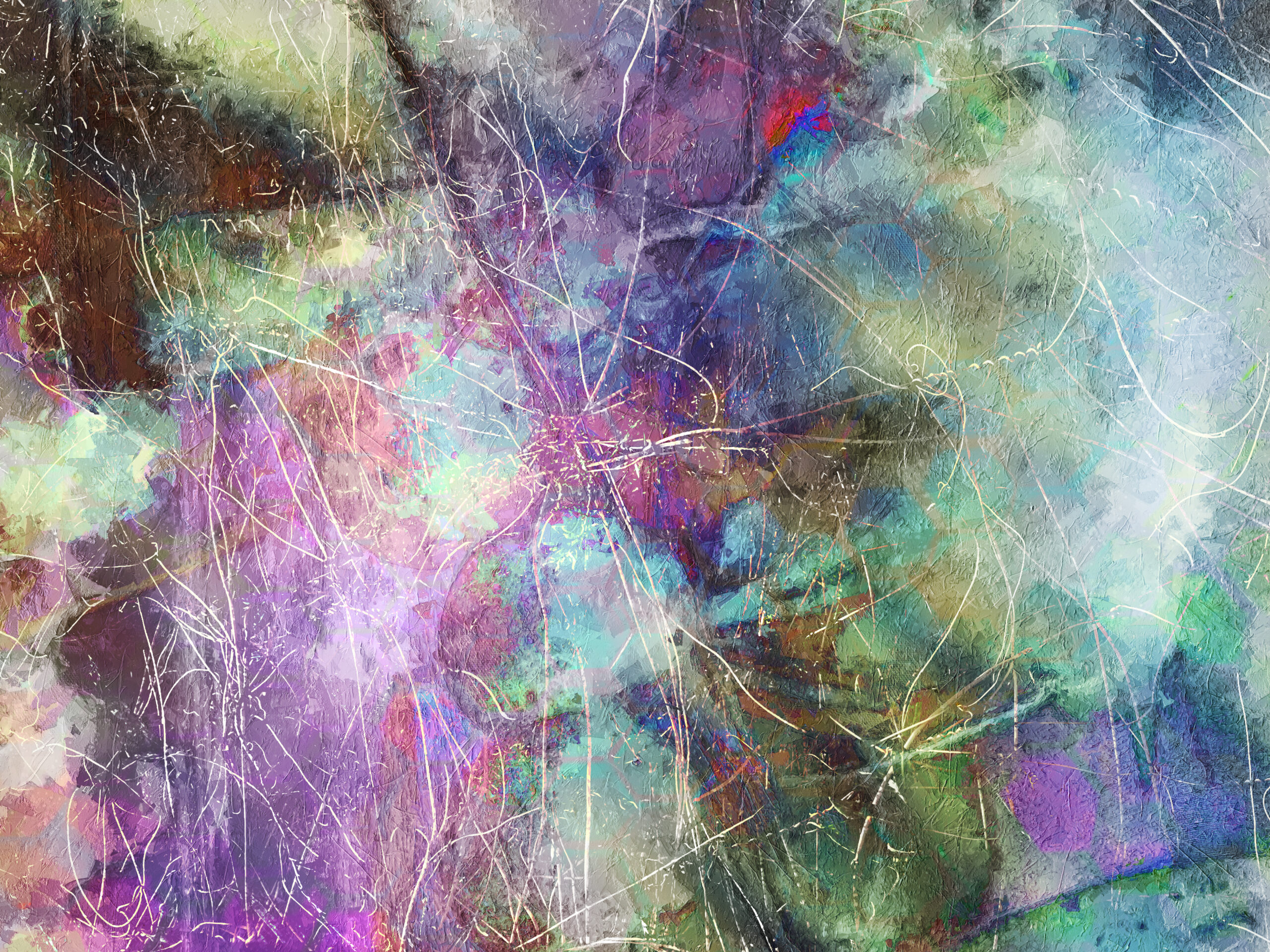
Michael John Valentine’s approach is both rooted in tradition and distinctly personal. Each canvas begins as an exploration of surface and gesture, where the fluidity of acrylic medium meets the intention of the artist’s hand. Through a process of layered application and selective overpainting, subtle yet intentional textures are created—punctuating fields of color with dimensional depth. These surface variations are more than technique; they are the work’s soul, allowing it to resonate with light and shadow in unique ways throughout the day.
What distinguishes this piece from mere printed imagery is that every application of pigment is a decision, a moment of expression, an imprint of human will and intuition. Though the canvas may travel rolled in a protective tube, its eventual framing and tension across stretcher bars awakens a sculptural life—transforming pigment into presence and energy.
Sealed with a glossy protectant to ensure both longevity and brilliance, the work’s finish enriches the visual experience. Light becomes an active participant: it refracts, deepens, and reveals the multi‑layered complexity of the surface. This glaze is not merely protective but performative—inviting prolonged observation and rewarding sustained engagement with shifting reflections and tonal interplay.
Abstraction as Dialogue
Abstraction is not a withdrawal from meaning; it is a reframing of perception. In the absence of figurative anchor points, the viewer is invited into a more intimate exchange—one that is psychological, emotional, and deeply personal. Valentine’s diptych weaves this invitation gently yet insistently, encouraging a conversation that resists definitive interpretation.
Here, color becomes emotional architecture. Hues do not simply exist—they interact, converge, and repel each other in ways that create visual tension and harmony simultaneously. Line and mass, rhythm and pause, tension and release: these become the structural grammar through which the viewer deciphers not “what the painting depicts,” but what it evokes. Every observer enters with a different emotional landscape, and this painting honors that subjectivity.
Collector Appeal and Provenance
Beyond its visual and emotional resonance, this diptych holds tangible appeal for serious collectors. Each original painting is signed by the artist, affirming its uniqueness and intrinsic value. Moreover, it can be accompanied by a Certificate of Authenticity, which guarantees provenance and secures its place within a documented artistic legacy. In a market where originality and traceable lineage are paramount, this certification is not a formality but an assurance: of investment quality, historical rooting, and artistic sincerity.
Collectors of abstract art often seek works that evolve with context—pieces that deepen in richness and complexity with repeated viewings. Here, the diptych’s layered architecture and subtle surface fluctuations magnify this experience. What may appear as serene color fields from a distance transform into a vibrant interplay of movement and emotion upon closer inspection. This quality elevates the diptych beyond static decor into a dynamic participant within lived space.
The Artist’s Vision
Michael John Valentine’s distinguished career is marked by a dedication to the craft of painting and a lifetime of artistic exploration. His practice is rooted in photographic foundations that are transformed through mixed media, layered acrylics, and refined painterly decisions—a hybrid of visual documentation and abstract expression. This duality enhances his approach to abstraction: it brings together intuitive spontaneity with disciplined visual strategy.
In the broader context of Valentine’s work, which encompasses landscapes, cityscapes, figurative compositions, and thematic explorations like Earth and Universe series, this diptych occupies a compelling niche. It synthesizes his core strengths—formal rigor, tactile expressiveness, and emotional resonance—while remaining resolutely contemporary in spirit.
A Work of Enduring Presence
Ultimately, Modern Abstract Wall Art Diptych Original Painting on Canvas is far more than an artwork—it is an experience. It invites viewers to slow down, to immerse, to reflect, and to participate. As a collector’s piece, it offers both aesthetic gratification and intellectual engagement. As a focal point within a curated interior, it commands attention without overwhelming it. And as an original painting by a seasoned artist, it carries the weight of intention, history, and expressive depth that defines the best of modern abstract practice.
In every nuance—from the layered paint surface to the emotional cadence of its composition—this work stands as an eloquent ambassador of Michael John Valentine’s artistic philosophy: that true art does not just fill a space, but transforms it.