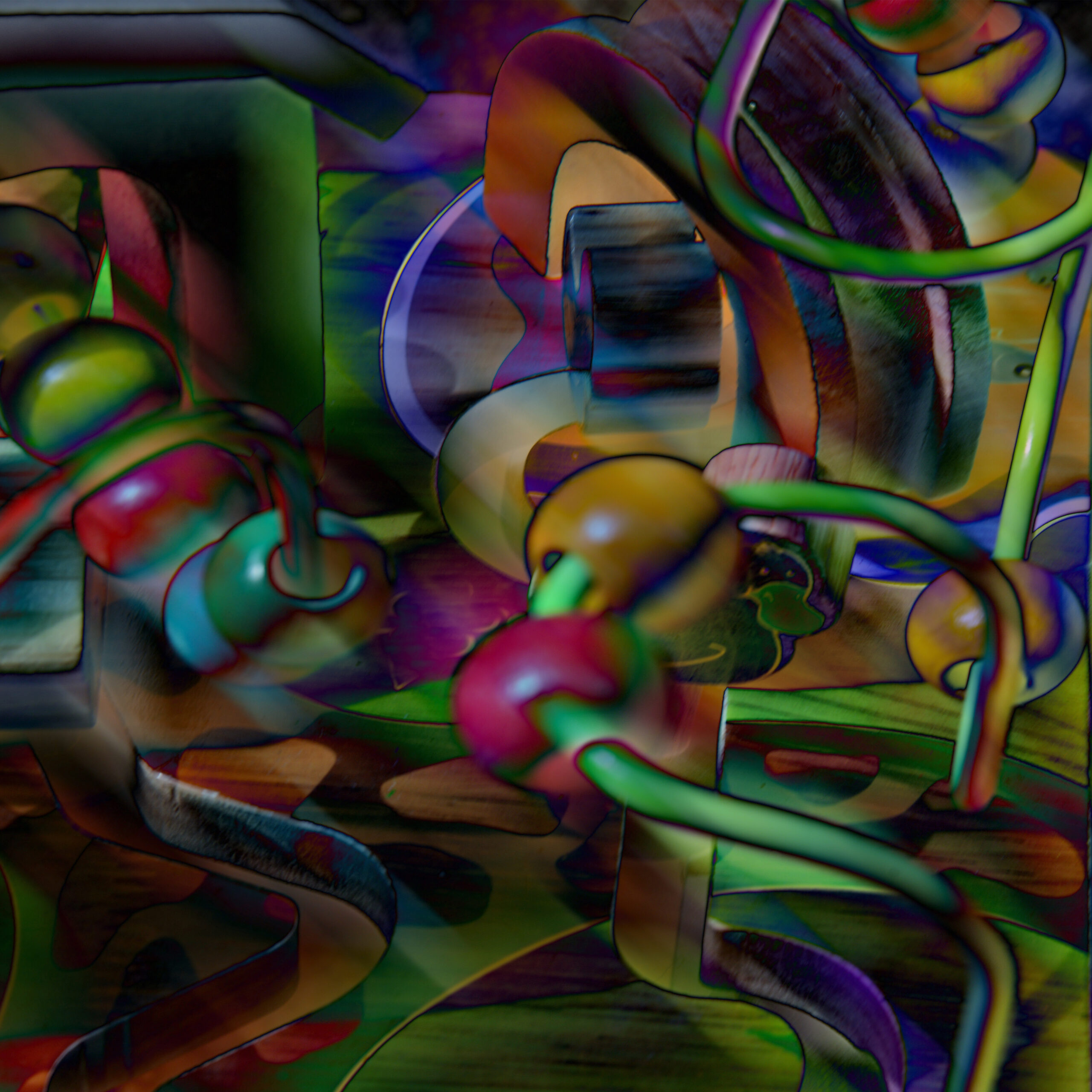
“Colors in Action” — A Symphony of Motion and Meaning
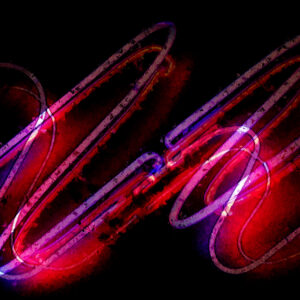
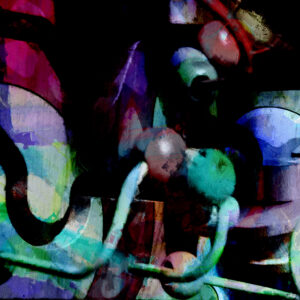
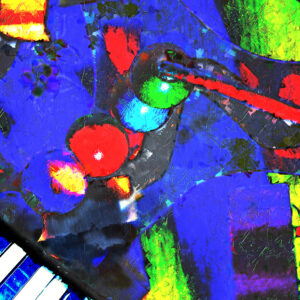
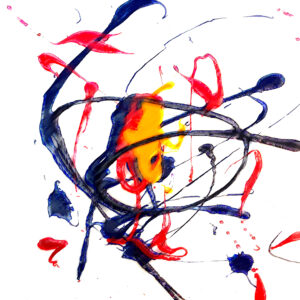
An original abstract painting on canvas by Michael John Valentine
“Art is an adventure into an unknown world, which can be explored only by those willing to take risks.” — Mark Rothko
Abstract art is not simply a visual experience — it is an invitation to encounter emotion, spirit, and the profound language of color in motion. In “Colors in Action,” Michael John Valentine captures this adventurous essence with a visceral intelligence that transcends representation and enters the realm of pure expressive force.
Vision Beyond Form
At first glance, Colors in Action appears fluid and spontaneous — a choreography of pigments unfolding across the canvas. Yet this immediacy is only the gateway to deeper contemplation. Abstract art, as articulated by icons of the modern movement, is not an exercise in randomness; it is a conduit through which inner experience becomes manifest form. “Abstract art is not the creation of another reality but the true vision of reality,” observed Piet Mondrian, underscoring how abstraction invites the viewer to see not less, but more — to perceive essence beyond the surface.
Valentine’s work does exactly this: it situates the viewer not outside the painting, but within an energetic space where color, shape, and gesture animate perception itself.
The Kinetics of Color
The title Colors in Action is not metaphorical — it is descriptive. Color here behaves like a living force, surging and receding, colliding and flowing across the canvas. In abstract performance, color is not decoration — it is event. It becomes the principal storyteller, conveying rhythm and emotion without the need for figuration.
Colors pulse with relational tension: warm hues assert their presence; cool tones respond with measured balance; saturated pigments engage with subtle transparencies. This visual oscillation creates not only depth, but a sense of temporal movement — a dynamic field where the eye dances and the spirit resonates.
Philosophically, this reflects the idea that abstraction expands our perceptual horizons. Arshile Gorky once articulated how abstraction “allows man to see with his mind what he cannot see physically with his eyes,” liberating the viewer from literal interpretation and extending vision into emotional and intellectual realms.
Gesture, Energy, and Presence
In Colors in Action, brushstrokes and layered surfaces embody more than technique — they reveal the artist’s presence. The tactile engagement with paint becomes a record of intention, movement, and encounter. While some abstract artists pursue austere minimalism, others — like Valentine — embrace complexity and layered nuance, suggesting that meaning arises not from singular elements but from relationships, tension, and interplay.
This aligns with the core modernist view that abstract painting is not an illustration but an experience. Jackson Pollock, a foundational figure in Abstract Expressionism, famously said: “Abstract painting is abstract. It confronts you.” In this confrontation, the viewer’s own interior landscape — their thoughts, emotions, memories — becomes integrated with the visual terrain of the painting.
When standing before this canvas, there is no passive reception; there is an active, almost dialogic exchange between artwork and observer.
Emotion Freed from Narrative
Unlike representational art, which anchors the viewer to recognizable imagery, Colors in Action evokes feeling without prescription. Abstract art engages the viewer’s interior life, allowing them to inhabit mood rather than decode story. As critics and art historians have noted, abstraction operates like music — not depicting but eliciting. Color becomes a chord; composition becomes rhythm. The result is an experience that unfolds uniquely for every individual.
This emotional openness — the freedom to feel rather than to judge — is one of the great powers of abstract painting. Rothko himself recognized that painting is not merely a visual arrangement but an evocative space for psychological performance. In Valentine’s work, color emerges not as a supplement to form, but as a primal emotional architecture.
Craftsmanship and Intent
Beyond its expressive energy, Colors in Action demonstrates meticulous artistic discipline. The varied sizes and surfaces — from intimate dimensions to expansive statement pieces — invite different modes of engagement. Smaller sizes reward close contemplation, while larger formats transform the viewer’s physical presence, enveloping them in luminous fields of hue.
The glossy sealant and overpainting nuances further elevate the surface, enriching the tactile experience and reinforcing the work’s material integrity. These decisions are not incidental; they speak to Valentine’s commitment to both concept and craftsmanship — an approach reminiscent of great modern masters who believed that how a painting is made is inseparable from what it communicates.
A Universal Language
Abstract art’s universal appeal lies in its capacity to transcend cultural and linguistic boundaries. Without figures or scenes to translate, ideas become sensations, and sensations become lasting visual impressions. In Colors in Action, this universality is not abstracted from experience, but distilled into it.
The work invites viewers from diverse backgrounds to engage with the elemental qualities of art itself — texture, tone, movement — and to find personal resonance within this shared visual language.
Collector’s Perspective
For the discerning collector, original abstract painting like Colors in Action offers both aesthetic presence and lasting intellectual value. In an art market where authenticity, narrative significance, and emotional depth increasingly define worth, Valentine’s painting embodies a convergence of contemporary expression and timeless artistic inquiry.
More than a decorative object, this work belongs in spaces that honor reflection — living rooms, study libraries, corporate galleries, boutique hotels, and private collections where art is experienced as part of life’s ongoing dialogue.
Conclusion: A Canvas Alive
In Colors in Action, Michael John Valentine gives us a painting that is not simply viewed — it is felt. Its rhythms resonate with the viewer’s internal cadence; its color dynamics extend an invitation into deeper sensorial awareness; its layered depth stands as a testament to both intention and exploration.
This is abstract art at its most compelling: a bold, sincere, and richly expressive articulation of the invisible forces that shape our experience of color, emotion, and meaning. To stand before this canvas is to participate in an aesthetic event — one that lingers long after the eyes have moved on.