Claude Monet’s Garden Flowers: A Painter’s Palette in Nature
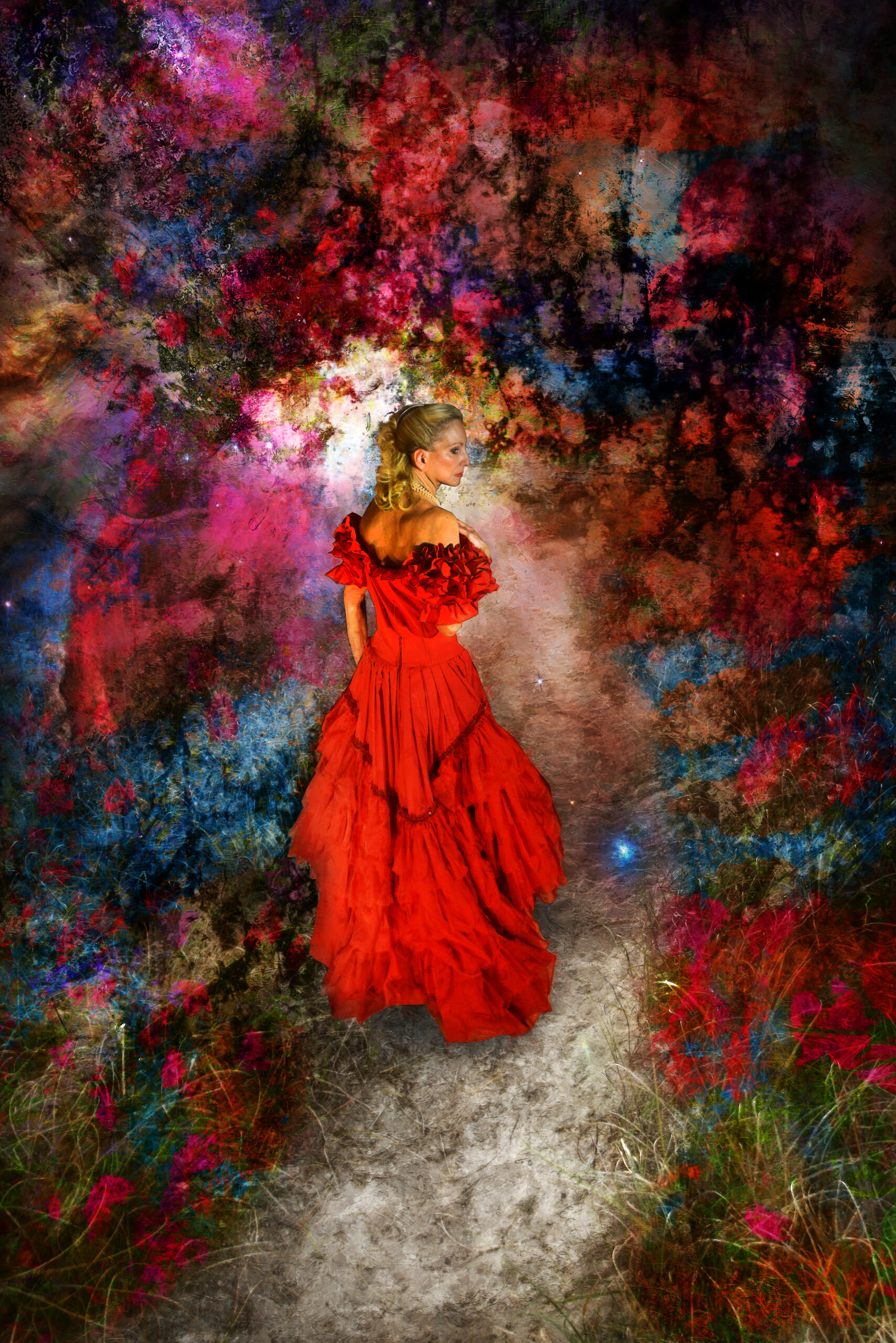
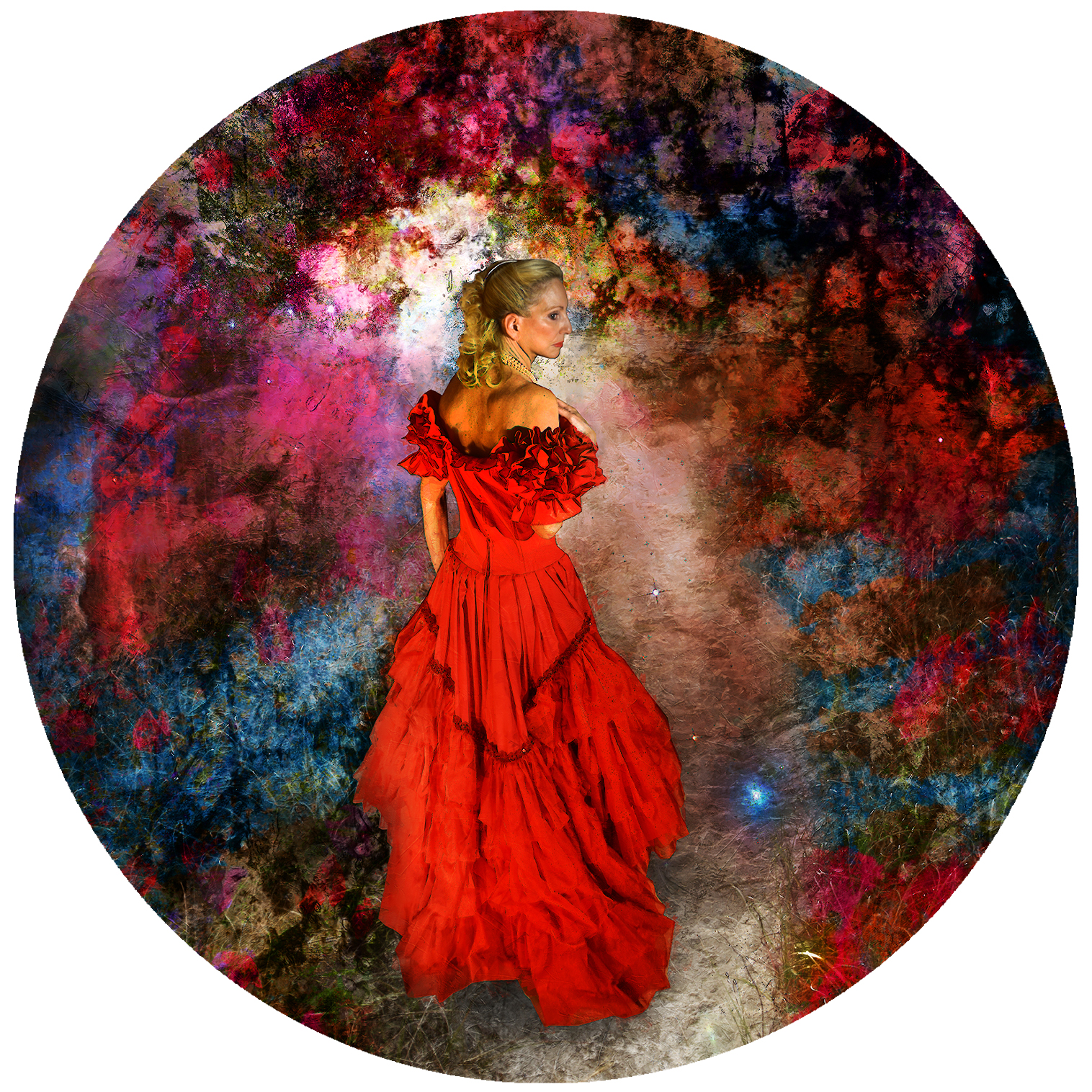
“My Muse on the Monet Flower Walkway” conjures the lush, chromatic language of Monet’s celebrated Giverny gardens — where irises, poppies, peonies and roses are orchestrated into a luminous promenade of color. In this work, flowers are not merely backdrop but co‑protagonists, rendered with expressive brushwork that intertwines nature and emotion. While Monet’s floral compositions celebrate the play of light and atmospheric sensation, this piece channels that legacy into a personal narrative, where blossoms serve as both metaphor and muse — conduits of memory, motion, and soulful resonance.
Claude Monet didn’t just paint flowers — he cultivated them as living pigments for his canvases. At his celebrated Giverny estate, he designed elaborate beds and walkways where colors intertwined and rhythms of bloom evolved throughout the seasons. Monet combined traditional garden flowers — tulips, irises, peonies, poppies, roses, daisies, nasturtiums, and more — in sweeping, color‑rich carpets that were as much art as botany.
Signature Floral Elements in Monet’s Work
-
Irises — Often painted in clusters of violet, purple and pink hues under dappled light, forming rhythmic, wave‑like visual patterns.
-
Nasturtiums & Roses — Bold warm colors along the central walkways, creating visual anchor points against greens and earth tones.
-
Peonies, Tulips, Poppies & Daisies — These burst in naturalistic, mixed plantings, contributing both “soundtrack” of color and a dreamlike vibrancy.
Monet’s approach to floral scene painting wasn’t simply botanical documentation — it was translating light, motion, and sensory atmosphere into paint. Flowers in his canvases shimmer with atmospheric resonance rather than strict botanical precision.
Monet’s Painting Style: Impressionism as Luminous Sensation
Monet’s work occupies the apex of Impressionism — a movement defined by capturing:
-
Light’s ephemeral effects,
-
Loose, scintillating brushstrokes, and
-
Color over linear or photographic detail.
In garden works like The Artist’s Garden at Giverny, blossoms are rendered with flickering, almost musical strokes that suggest fragrance and sunlit warmth more than crisp detail. Color harmonies, reflected light, and shifting perception are the unifying features.
Monet’s flowers don’t simply sit in space — they vibrate with light and air, inviting the viewer into a sensual, almost orchestral experience.
Floral Character
Flowers embody the spirit of Monet’s gardens — rich, layered, and immersive — while also asserting a personal narrative and emotional presence. Rather than merely depicting botanical forms, they serve as muse‑like companions to the central figure (the muse). This lifts them into the realm of metaphor: flowers as feeling, memory, and poetic light.
-
The blossoms echo Monet’s palette (soft pastels, vivid primaries, warm glow), but they likely carry more intentional compositional focus and designed emotional architecture rather than Monet’s observational spontaneity.
-
Artistic Intent
Where Monet used flowers to study atmosphere and light’s ephemeral nature, this rendition uses them to augment narrative presence and elevate mood. The flowers become expressive allies — echoing the muse’s poise, essence, and relation to space.