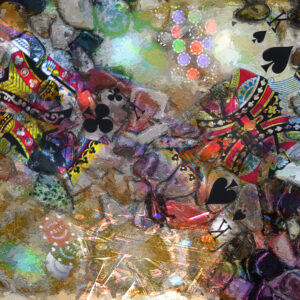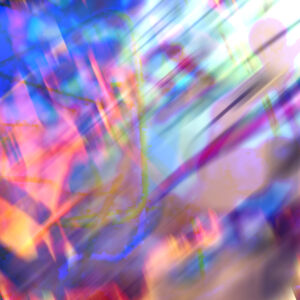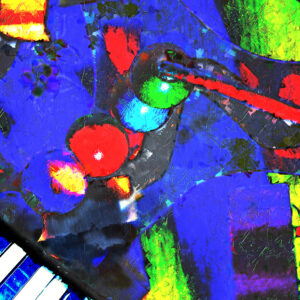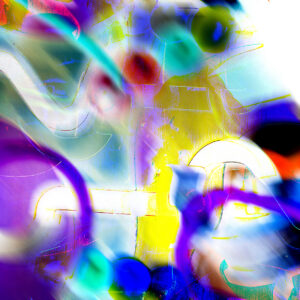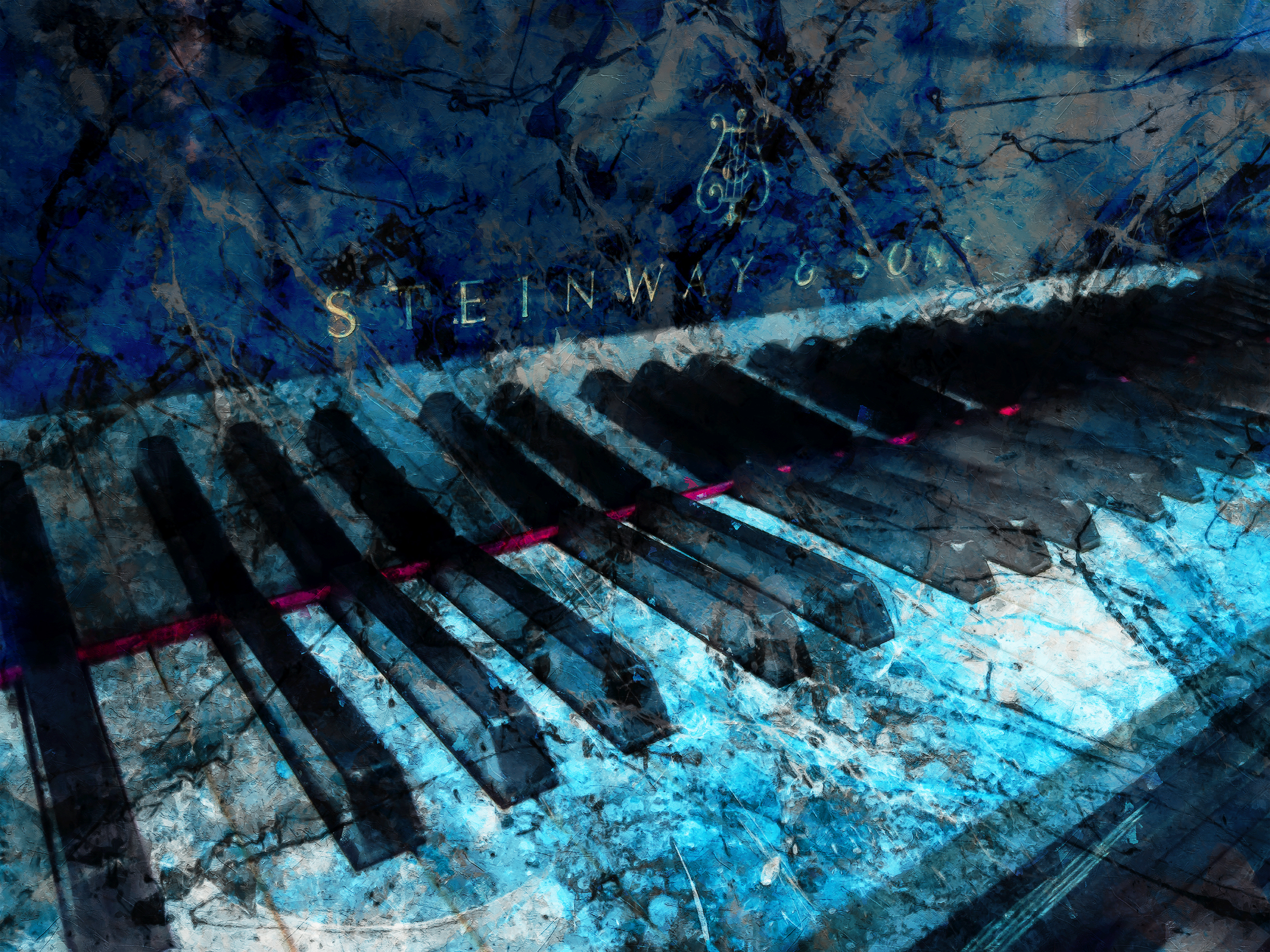
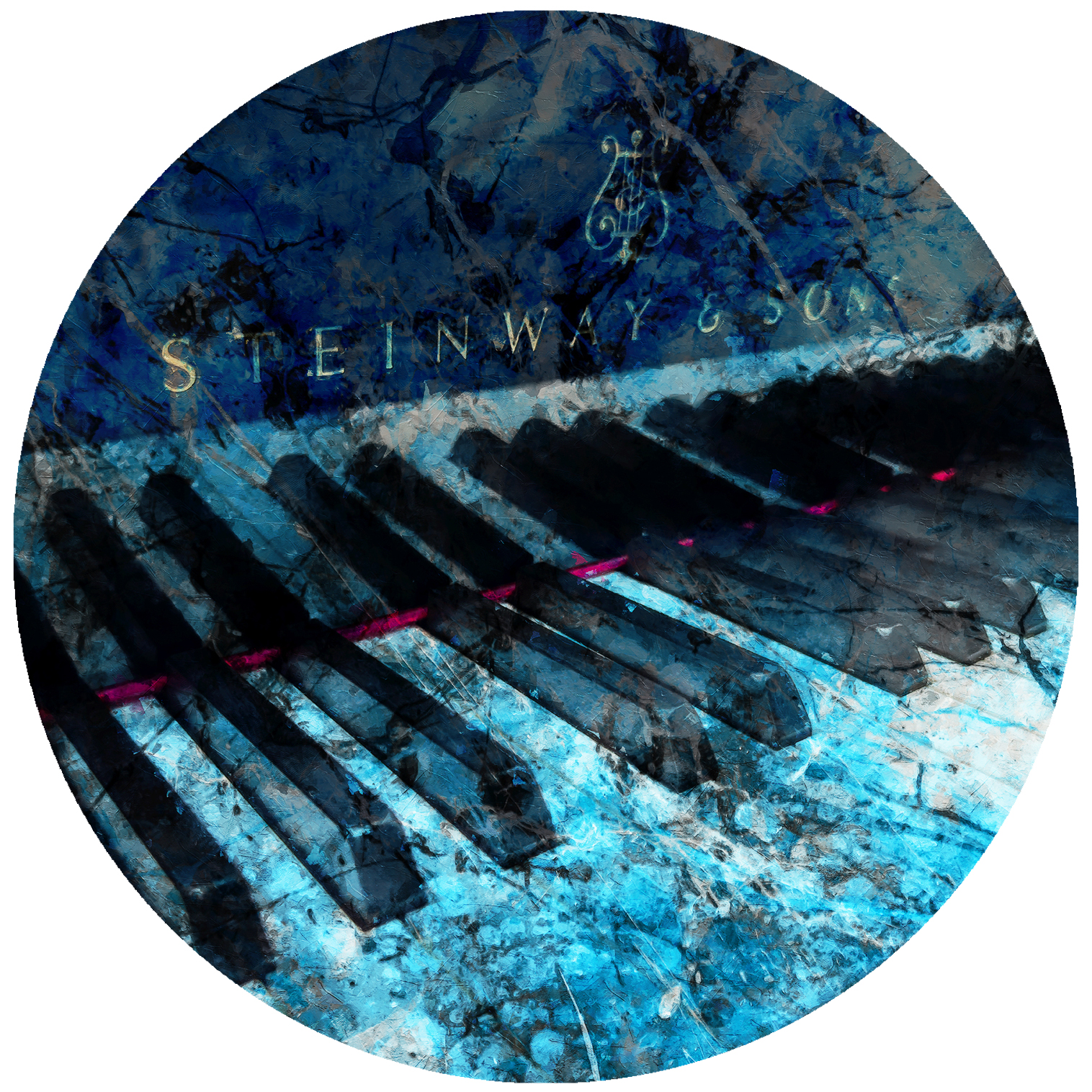
On the Steinway Piano Abstract – Playing The Blues and similar pieces, the artist isn’t literally writing music notation or spelling out a melody in paint — instead, he visually interprets the feeling, rhythm, movement, and emotion of the music and expresses it through abstract visual language on canvas.
Here’s a breakdown of that concept:
1. Music as Visual Motion
-
Music — especially blues — has rhythm, expression, and mood. Abstract art can mimic those qualities through dynamic shapes, flowing lines, and color movement that feel like sound waves or emotional resonance.
-
In this artwork, the piano and its implied sound (blues music) become the “source” of visual energy — analogous to sound radiating outward, but shown in paint rather than sound.
2. Acrylic Overpaint as Sound Expression
-
The pieces often begin with digital or photo-based elements and then are overpainted with acrylic — meaning the artist adds bold, tactile brushwork and texture on top of printed imagery.
-
This process adds visual rhythm and physical depth, which can be thought of as a kind of visual “improvisation” similar to how a blues musician might riff on a melody.
3. Abstract Form Mimics Musical Emotion
-
Instead of depicting literal notes, the composition and color choices evoke:
-
Mood and emotion (blues tones, contrast, flow)
-
Movement and rhythm (brushstrokes and texture)
-
Atmospheric energy (how the piano seems to “play” off the canvas)
-
-
This is similar to how artists in other domains have expressed music through abstraction (e.g., Stuart Davis’s jazz‑inspired paintings that reflect rhythm and syncopation in visual form).
4. The Result
-
The finished artwork becomes a visual analog of the music — not a literal transcription, but a sensory translation:
-
Sound → Mood → Visual Movement
-
Rhythm → Brushstroke → Texture
-
Harmony → Color interplay → Visual balance
-
In short, translating music to acrylic overpainted art in this context means the artist interprets the intangible qualities of music (feeling, rhythm, emotion) and expresses them visually on canvas using layered acrylic paint, creating a piece that feels like the music it represents even though it isn’t literally musical notation.
Please e-mail fineartbyval@gmail.com