“Graffiti, once the voice of the streets, now stands as a sophisticated language of modern art — where raw expression is refined through intention, and rebellion is transformed into lasting visual legacy.” Michael John Valentine
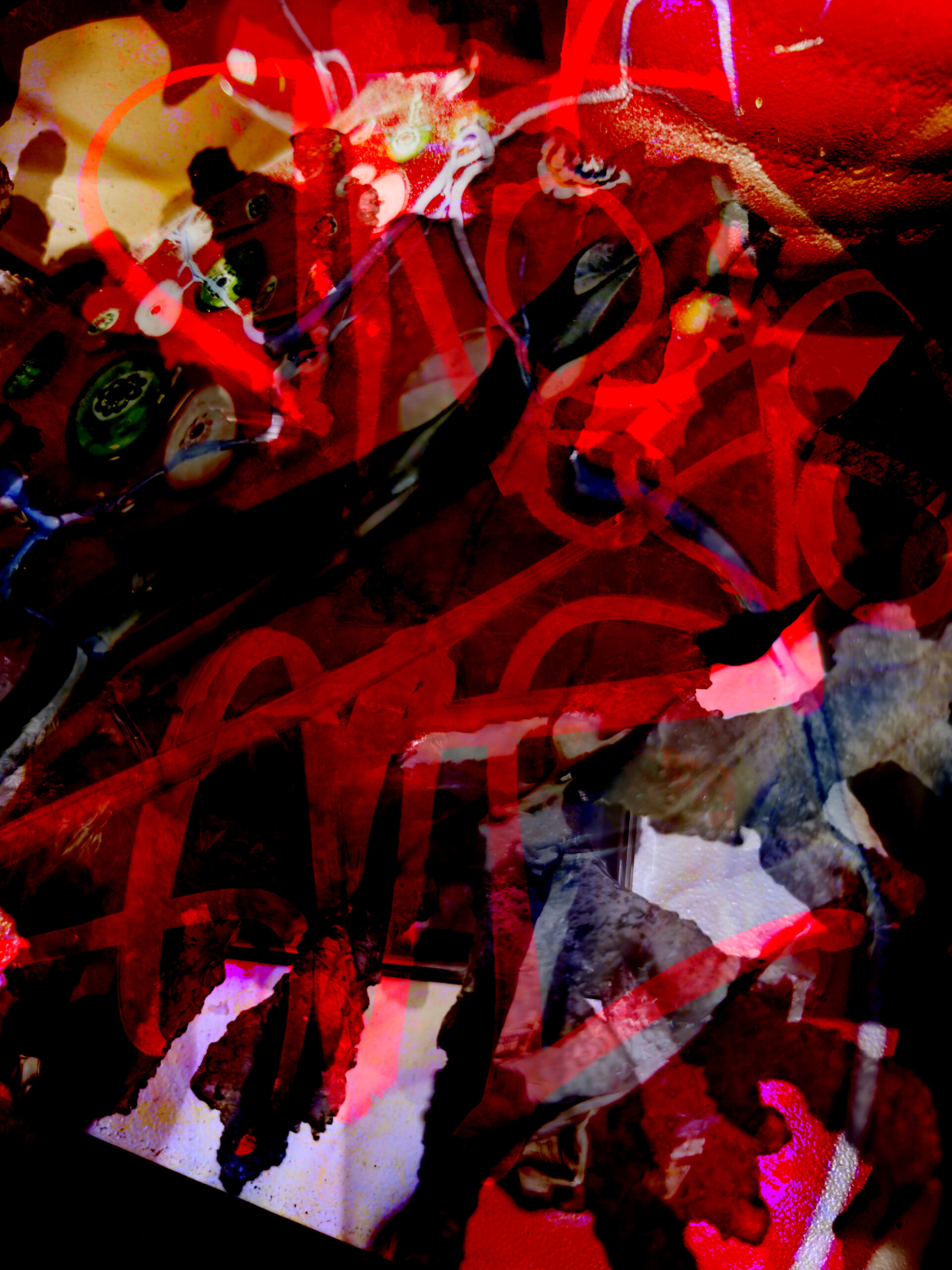
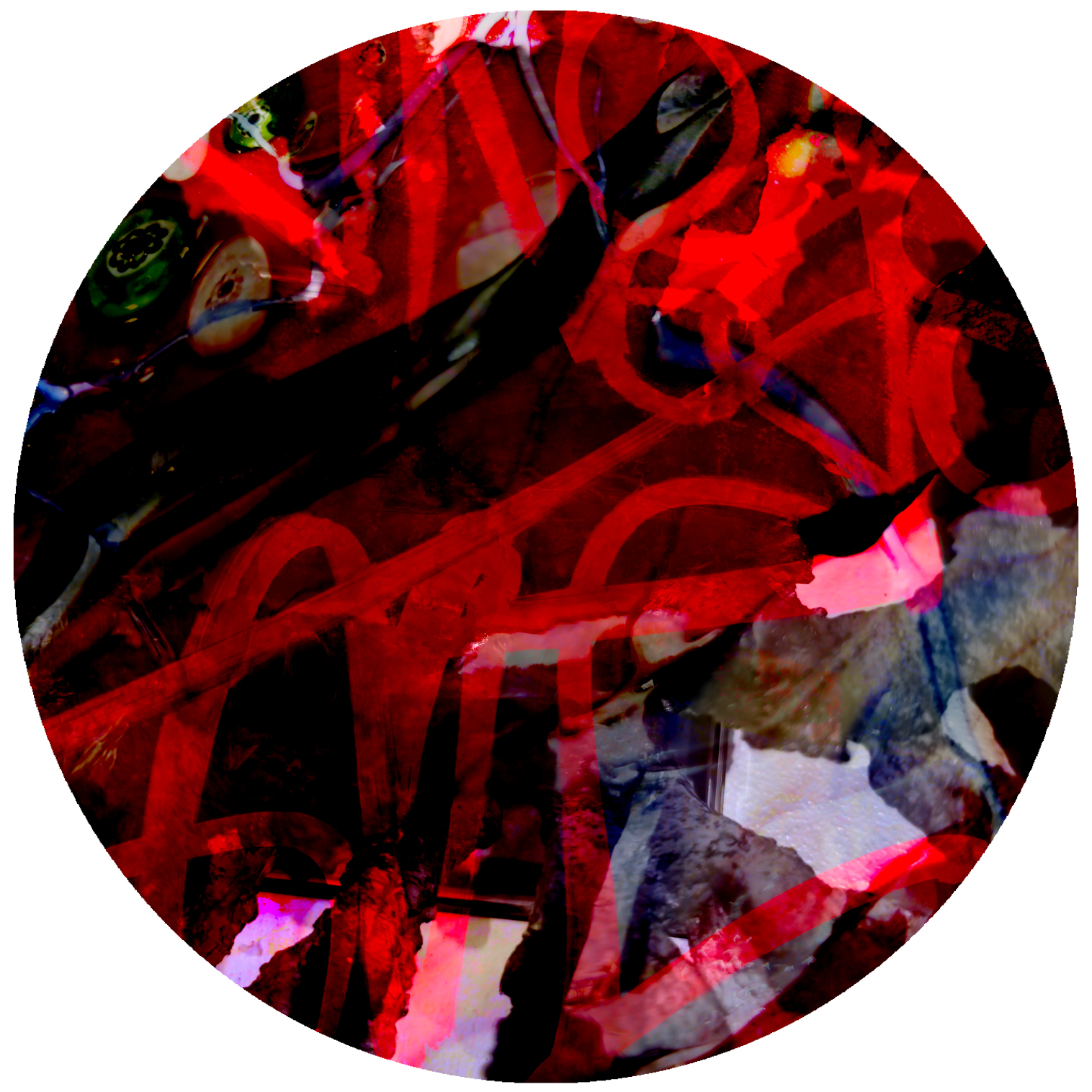
Graffiti has long been misunderstood, often relegated to the margins of society as mere vandalism, a defiance of order, a loud, chaotic mark upon walls and trains. Yet, beneath its seemingly anarchic exterior lies a profound and complex form of human expression. The Modern Art of Graffiti captures this tension and transforms it into something far greater than a simple rebellion. It is a deliberate study of form, color, and emotion, where every stroke, every spray, every mark carries intention and meaning. Here, the streets’ instinctive energy is not lost; rather, it is elevated, rendered in a language that can converse with galleries, collectors, and historians alike.
At first glance, graffiti appears unrestrained — a cacophony of overlapping tags, vibrant hues, and kinetic motion. But to truly understand it, one must see beyond the immediacy of the spray can’s mark. Each layer, each smear, each moment of improvisation is a dialogue between the artist and the world. In The Modern Art of Graffiti, the canvas becomes a translation of this dialogue, where chaos meets control, instinct meets deliberation, and fleeting urban ephemera transforms into enduring artistry. The work compels the viewer to acknowledge that graffiti is not merely decoration or defiance, but a language of expression, a coded story written in colors, textures, and forms.
The evolution of graffiti from the streets to the gallery mirrors the journey of modern art itself: a migration from public space into curated, contemplative environments. Historically, graffiti has been the voice of those on the periphery, the marginalized, the socially restless. It served as commentary, protest, celebration, and self-assertion. In its earliest forms, a tag or mural could be read as both claim and question — a declaration of presence and a challenge to conventional norms. The Modern Art of Graffiti honors this history while simultaneously redefining it. It is a bridge between past and present, chaos and composition, the street and the sanctum of high art.
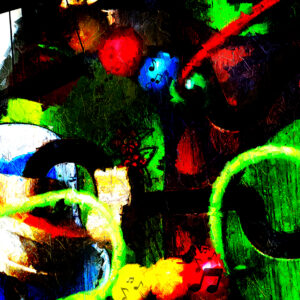
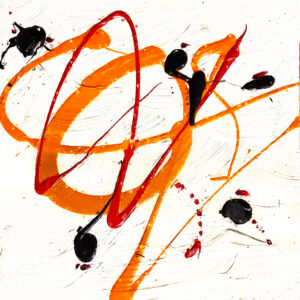
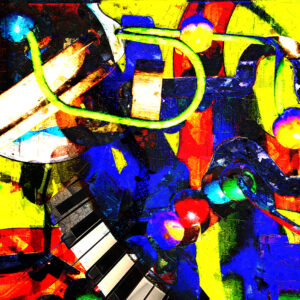
Color plays a central role in this transformation. Where spray paint once marked territory or identity, here it is a medium for aesthetic exploration. Vibrant blues collide with fiery oranges; neon greens emerge from muted backgrounds; deep blacks punctuate bright explosions of energy. The palette is both raw and refined, a tension that mirrors the very essence of graffiti itself. Every hue is carefully chosen, every gradient meticulously considered, yet the work retains the visceral, improvisational energy that makes graffiti compelling. It is this duality — instinct and intention — that makes the collection so captivating for collectors, inviting both intellectual engagement and emotional resonance.
Texture, too, is a key player in the narrative. Graffiti on walls carries a physicality that is unique: the grain of brick, the unevenness of metal, the accidental drips and smudges of paint. In this series, texture is translated onto the canvas with precision and care, recreating the tactile qualities of street art while allowing it to exist within the refined context of fine art. The artist’s hand is evident in every stroke, each layering of paint, and every nuanced finish. Collectors will notice the depth and dimensionality that comes from this marriage of street technique and studio discipline, understanding that this is not simply graffiti reproduced, but graffiti reborn as an object of lasting significance.
There is also a temporal dimension to consider. Graffiti, by nature, is ephemeral. It is created quickly, often illicitly, and may be painted over or destroyed within days. Its impermanence is part of its power. By bringing graffiti into the gallery, The Modern Art of Graffiti confronts this temporality, preserving the fleeting energy of the streets in works that can be studied, revisited, and treasured. The canvas becomes a vessel that captures movement and emotion in a fixed form, offering viewers the rare opportunity to hold the essence of graffiti in a permanent, contemplative space.
The work also invites personal interpretation. While the streets may offer a context that hints at meaning, the gallery presents a new stage for dialogue. Viewers are free to encounter the work on multiple levels: as aesthetic spectacle, as historical document, as social commentary, or as deeply personal expression. The layers, both literal and figurative, allow for countless readings. This openness is central to the power of The Modern Art of Graffiti, which does not dictate meaning but instead encourages the viewer to engage, question, and reflect. Every collector, every viewer, finds a story within the work, a resonance unique to their own experience.
What sets this collection apart is the precision of execution. Graffiti, while instinctual and immediate, is here rendered with a level of craftsmanship that demands attention. Lines are deliberate, forms are balanced, and compositions are meticulously arranged to achieve visual impact without sacrificing spontaneity. The artist’s mastery lies in maintaining the rawness of the streets while elevating it to a collector-focused, gallery-worthy context. This is graffiti that respects its roots but embraces its potential for sophistication, a rare and difficult balance that few artists achieve.
Furthermore, The Modern Art of Graffiti captures the social and cultural significance of street art. Graffiti is not created in a vacuum; it is a reflection of urban life, a mirror to society, and an archive of contemporary expression. The work in this collection speaks to the vibrancy and tension of the modern city, its energy, conflicts, and beauty. Each piece is a visual narrative, a fragment of urban history transformed into a lasting artwork. Collectors are not simply acquiring a painting; they are acquiring a piece of cultural dialogue, a conversation that has traveled from the streets to their walls.
Ultimately, this series challenges perceptions and invites reconsideration of what constitutes art, value, and legacy. Graffiti, once dismissed as vandalism, is affirmed here as a sophisticated, intentional, and meaningful form of contemporary expression. The Modern Art of Graffiti demonstrates that instinct and deliberation are not opposing forces but complementary ones; that chaos and order can coexist; and that the energy of the streets can find permanence without losing its authenticity. It is a testament to creativity, resilience, and the enduring power of visual communication.