“Art reveals what life conceals.”
— Michael John Valentine
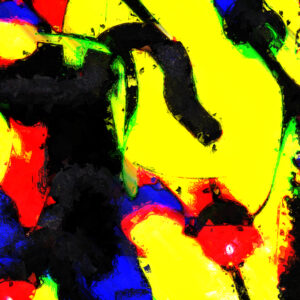
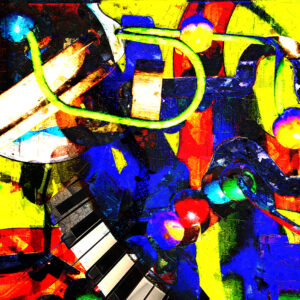
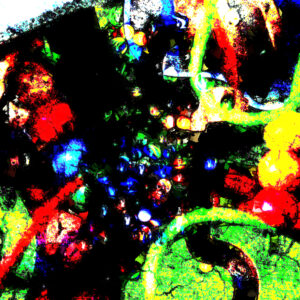
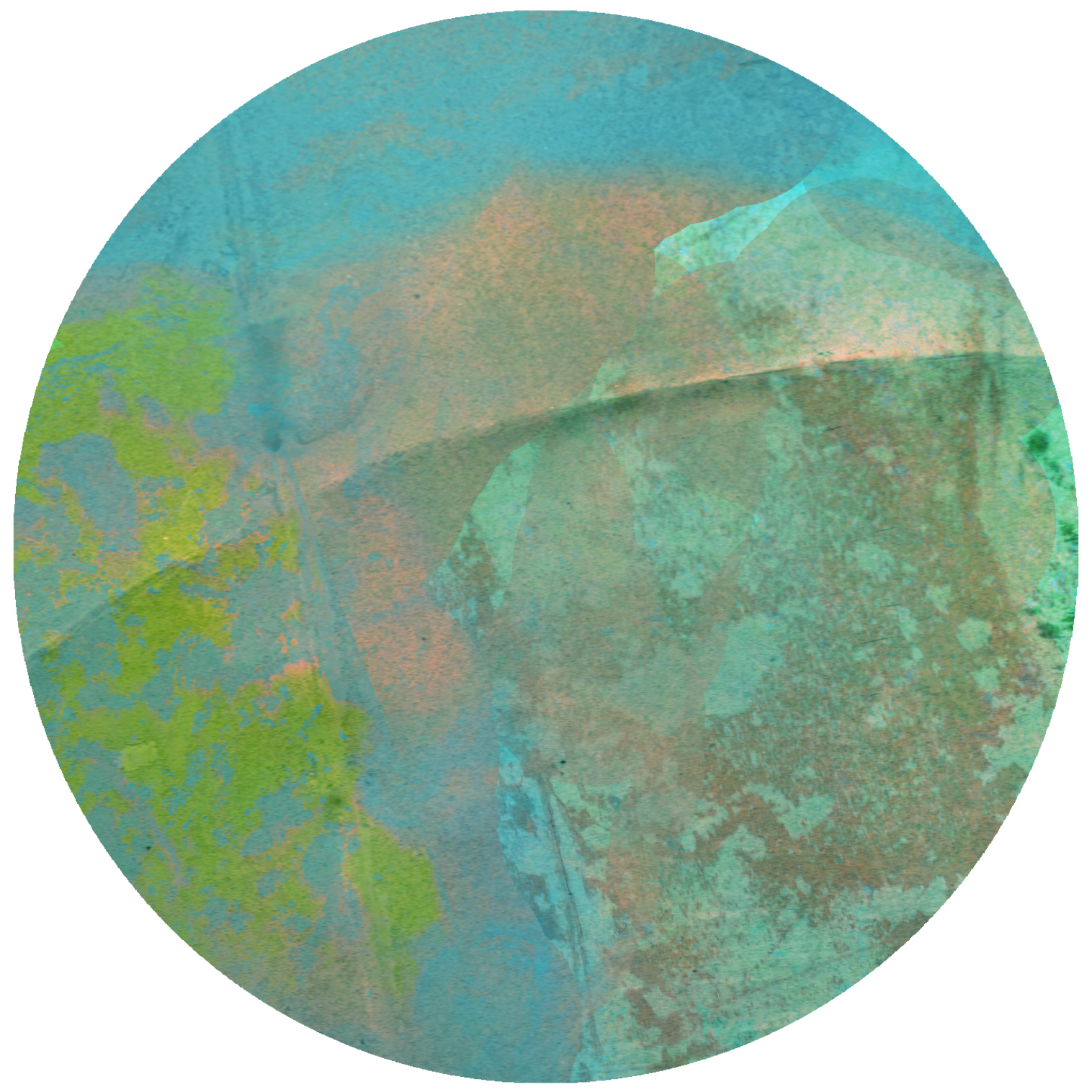
There are moments in the creative journey when a painting does not ask to be explained, justified, or defended. It simply arrives—fully formed in intention if not yet in surface—and declares its truth. It’s Okay To Be Green is one of those moments. This work does not whisper its presence; it breathes it. It stands as a permission slip rendered in pigment, a layered affirmation that growth, difference, vulnerability, and renewal are not only acceptable—but essential.
Green has always carried dual meaning. It is the color of beginnings and of envy, of rebirth and of unease. In this abstract composition, green is liberated from symbolism and allowed to become emotional terrain. Valentine approaches the canvas not with a desire to decorate, but to excavate. Each layer of acrylic is applied with purpose, then partially obscured, scraped, softened, or reasserted. What remains visible is only part of the story. What lies beneath is equally important. This is where the quote becomes lived reality: the painting reveals what everyday life so often conceals—complexity, contradiction, and quiet resilience.
The surface of It’s Okay To Be Green is alive. Subtle tonal shifts move across the canvas like breath across skin. There are moments of saturation where the green asserts itself confidently, unapologetically. Elsewhere, the hue recedes, softened by lighter values or disrupted by textural interruptions. These interruptions are intentional. They mirror life’s disruptions—moments where certainty fractures and something more honest emerges. Valentine does not polish these moments away. He preserves them, understanding that authenticity is rarely smooth.
This work is deeply rooted in process. Created in the artist’s studio through an intuitive dialogue between hand, eye, and emotion, the painting evolves rather than follows a predetermined path. Overpainting plays a crucial role here. Earlier decisions are not erased; they are honored by being partially concealed. This act of concealment is not denial—it is integration. Much like personal growth, the past is not removed, only recontextualized. The final composition carries its history quietly, confidently, and without apology.
For the collector, It’s Okay To Be Green offers more than visual engagement. It offers alignment. This is a piece for those who understand that sophistication is not loud, that confidence does not require permission, and that growth often happens in silence. Displayed in a modern interior, the work becomes an anchor—cooling a space while simultaneously energizing it. Green, in Valentine’s hands, becomes both calming and provocative, inviting prolonged contemplation rather than fleeting admiration.
There is also a subtle defiance embedded in the title. “It’s okay” implies a world that has suggested otherwise. In this way, the painting functions as both affirmation and resistance. It challenges the viewer to reconsider where they may have muted themselves, softened their instincts, or hidden parts of their identity to fit external expectations. The canvas does not demand answers. It simply holds space for recognition.
Craftsmanship is paramount. Each canvas is finished with a protective gloss sealing, enhancing depth while preserving texture. No two overpainted pieces are identical, even within editions. This commitment to individuality reinforces the philosophy behind the work: uniqueness is not a flaw—it is the point. Signed by the artist, each piece carries provenance not only in signature, but in spirit.
Valentine’s decades-long relationship with abstraction is evident here. Educated in Fine Arts and shaped by more than half a century of creative practice, he brings restraint where lesser hands might overindulge. The composition knows when to stop. There is confidence in the negative space, maturity in the restraint, and wisdom in what is left unsaid. This is not art created for trend or algorithm. It is art created for connection.
It’s Okay To Be Green ultimately functions as a mirror. What the viewer sees reflected depends on what they bring with them. Some will see calm. Others will see courage. Others still may feel a quiet permission they didn’t realize they were seeking. That is the power of abstraction at its highest level—it does not dictate meaning; it reveals it.
And in that revelation, life’s concealed truths surface gently, honestly, and without pretense. Green is no longer just a color. It becomes a state of being.