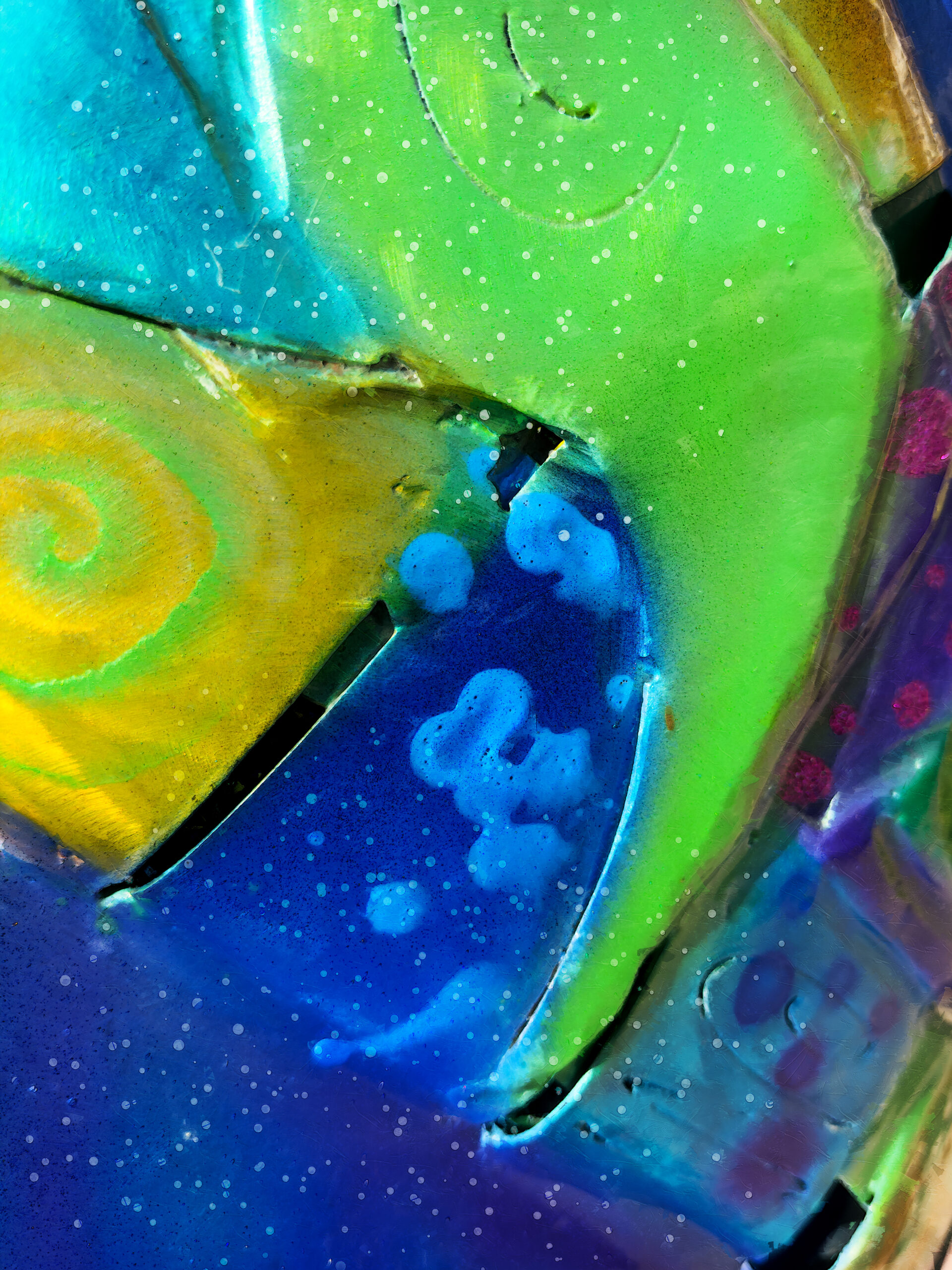
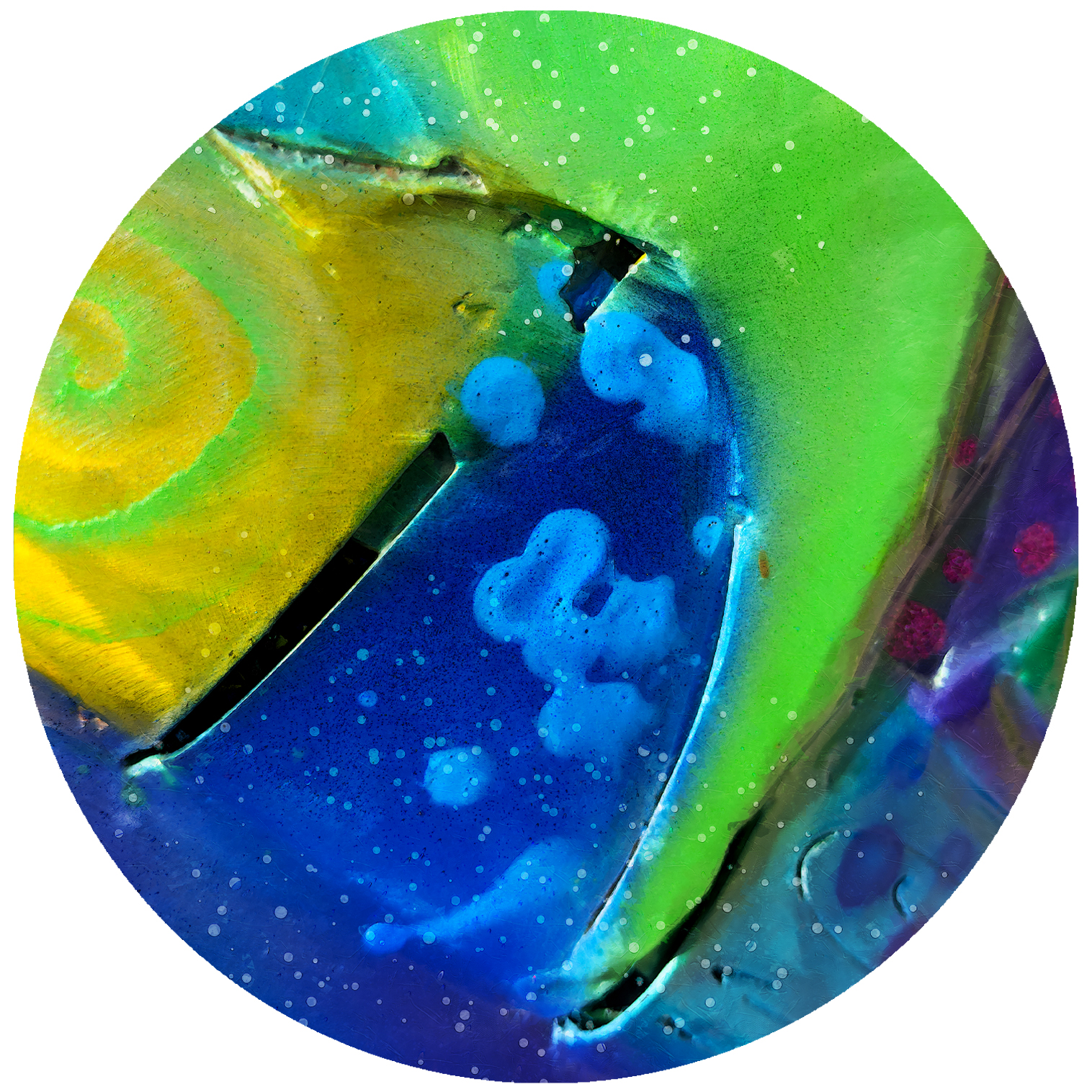
Emerald Dreams of Wonder
“I want my art to create a sense of discovery. You may see one thing when you first look at it, and something completely different the next time. For me, that moment of wonder is where abstract art truly comes alive.”
— Michael John Valentine
There is a moment when looking at an abstract painting when something unexpected happens. The colors begin to move. Shapes seem to emerge and disappear. A familiar feeling appears without a recognizable subject. For just a moment, the imagination takes over. That feeling is the inspiration behind Emerald Dreams of Wonder.
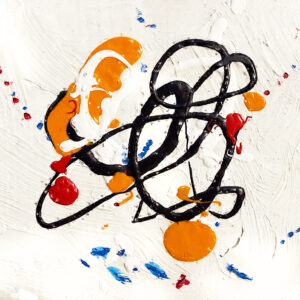
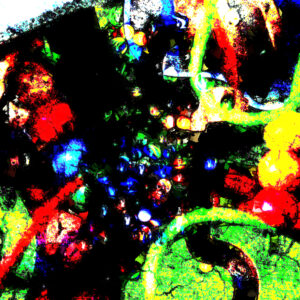
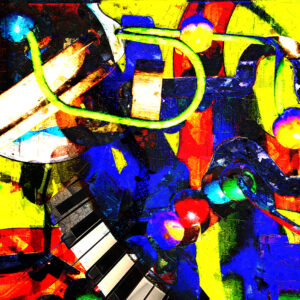
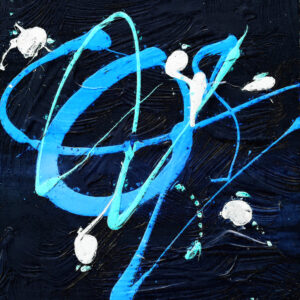
Created as a contemporary mixed-media artwork, Emerald Dreams of Wonder explores the relationship between color, imagination, texture, and light. Rich emerald tones provide the foundation for a composition that is intentionally open to interpretation. Rather than presenting a single recognizable scene, the artwork creates a visual environment where each viewer can discover a meaning of their own.
Emerald is a particularly expressive color. It carries associations with nature, growth, renewal, precious stones, deep forests, and tranquil waters. It can feel luxurious and sophisticated while also feeling organic and alive. In this artwork, emerald becomes more than a dominant color—it becomes an emotional language.
The dreamlike quality of the painting comes from the way those emerald tones interact with the other elements of the composition. Areas of color overlap and recede. Forms appear to drift through the surface. Light seems to move across the artwork, creating an ever-changing visual experience.
The title Emerald Dreams of Wonder reflects that sense of discovery. A dream does not always follow the rules of reality, and neither does abstract art. One image can suggest several possibilities at once. A shape might resemble a landscape, a reflection, foliage, water, clouds, or something that exists only in the imagination.
That uncertainty is part of the experience.
My mixed-media process allows me to build that uncertainty through layers. I begin with original photographic elements and combine them with exhibition-quality canvas, acrylic paints, glazing, texture, and carefully placed areas of shimmer. Each material contributes something different to the final surface.
Photography can introduce recognizable fragments of the real world. Acrylic paint can obscure, transform, or emphasize those fragments. Glazing creates transparency and depth, allowing earlier layers to remain present beneath the surface. Texture adds another dimension, while subtle shimmer catches the light and gives portions of the artwork an almost illuminated quality.
The finished work becomes a conversation between what is visible and what is hidden.
That layering process is important because it mirrors the way we experience memories and imagination. We don’t remember everything with perfect clarity. Instead, memories often exist as fragments—colors, places, emotions, faces, light, movement, and impressions. Over time, those fragments become layered with new experiences.
Emerald Dreams of Wonder embraces that idea.
The artwork doesn’t ask you to solve it. It asks you to experience it.
From across the room, the painting can have a strong contemporary presence, with its rich emerald palette immediately drawing the eye. As you move closer, the surface begins to reveal more. Small transitions between colors become visible. Photographic elements emerge within the painted layers. Glazes create passages of transparency. Subtle details that may not be noticed initially begin to appear.
The closer you look, the more there is to discover.
That is one of the qualities I value most in abstract art. A successful artwork should be able to hold your attention beyond the first impression. It should continue to reveal itself after it becomes part of your home or collection.
Emerald Dreams of Wonder is designed to do exactly that.
It can bring a sophisticated contemporary presence to a living room, bedroom, office, studio, entryway, or other interior space. The emerald palette can complement both modern and transitional interiors, while the abstract composition gives the artwork the flexibility to become part of the environment rather than simply matching a particular piece of furniture or décor.
But ultimately, the meaning of the painting belongs to the person who experiences it.
One viewer may see an imaginary emerald landscape. Another may see movement through water or light filtering through a forest. Someone else may see nothing recognizable at all—and simply respond to the colors, textures, and energy of the composition.
There is no wrong interpretation.
I believe that is one of the great freedoms of abstract art. The artist begins the conversation, but the viewer gets to finish it.
With Emerald Dreams of Wonder, I wanted to create a work that encourages that conversation. The painting isn’t about telling you what to think. It is about creating an opportunity to feel, imagine, remember, and discover.
Wonder is often associated with childhood, but I believe it remains essential throughout life. As adults, we become accustomed to explaining everything. We categorize things. We identify them. We move on.
Art can interrupt that process.
It can make us stop.
It can make us look a little longer.
It can remind us that not everything has to be immediately understood.
That is what I hope Emerald Dreams of Wonder accomplishes.
The emerald color provides the energy. The layers provide the history. The shimmer provides the light. The abstraction provides the freedom. And the viewer provides the imagination.
Together, those elements create something that is intentionally different for every person who encounters it.
My goal as an artist is not simply to create something beautiful to hang on a wall. I want to create artwork that has a presence—that changes as the light changes, as the viewer moves around it, and as their own experiences influence what they see.
Emerald Dreams of Wonder is an invitation to slow down and allow yourself to experience that possibility.
Look at the colors.
Follow the layers.
Notice the movement.
Let your imagination take over.
And then look again.
You may discover something you didn’t see the first time.
That is where the wonder begins.