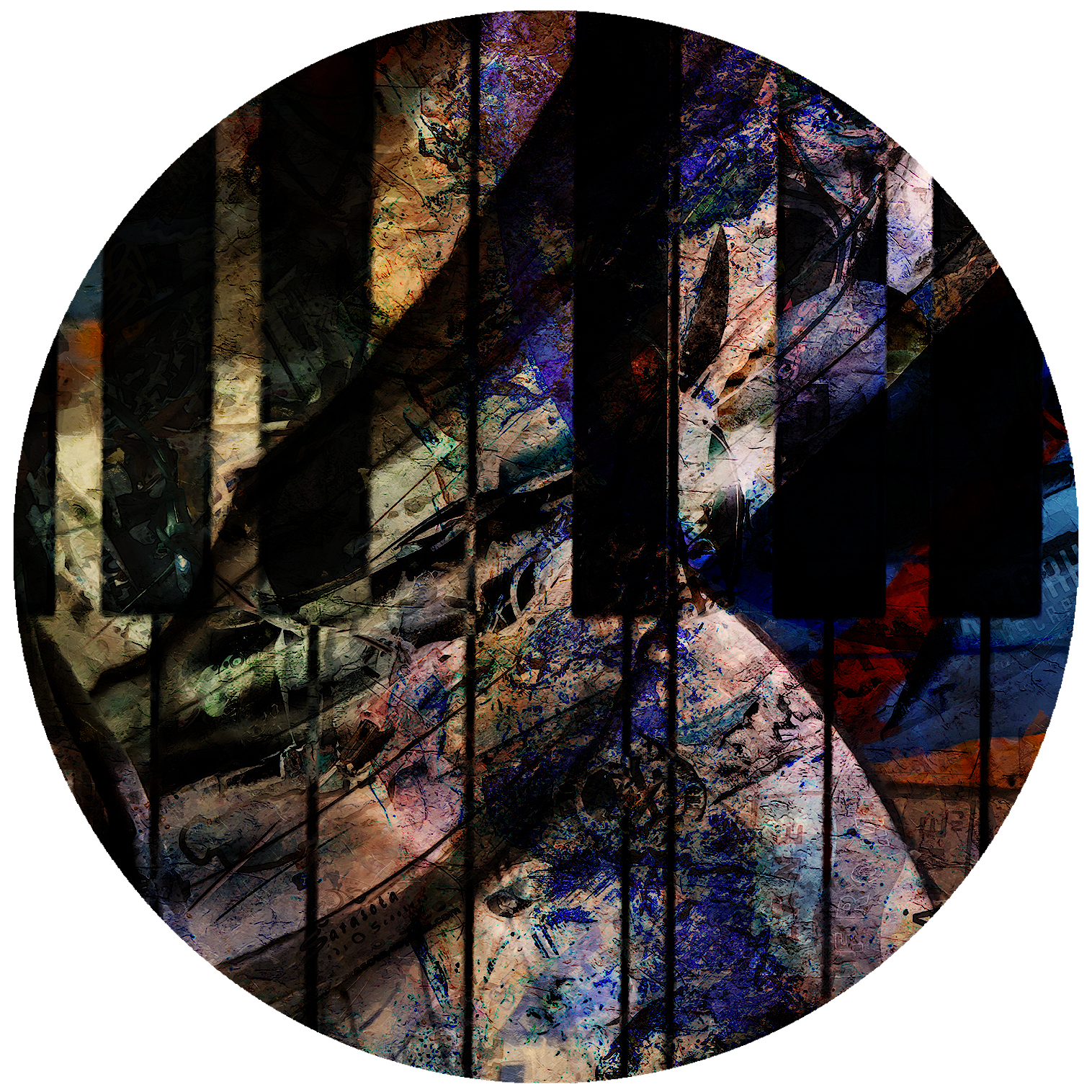
Graffiti Concerto: Urban Color Written in Orchestral Sound
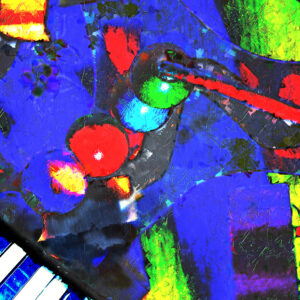
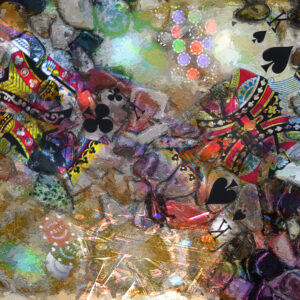
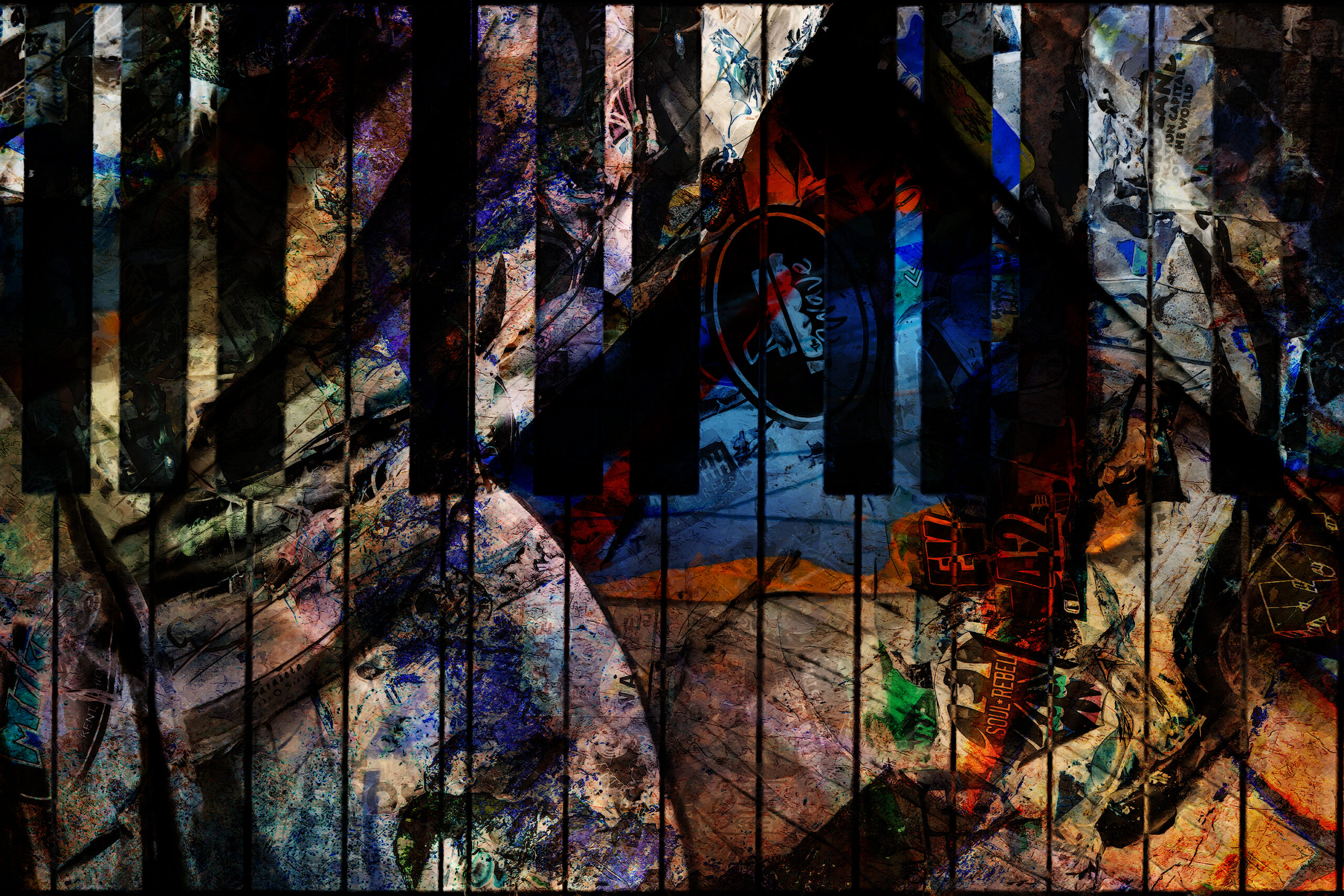
A “Graffiti Concerto” is not a single rigid classical form, but a modern artistic idea: a concert work that treats sound the way street artists treat walls—layered, urgent, expressive, and often unpredictable. In this space, the orchestra becomes a city, the soloist becomes a voice moving through it, and musical ideas appear like spray-painted gestures across structure, silence, and architecture.
Graffiti itself is often described as a visual language that reshapes communication on public surfaces. It transforms letters into expressive forms, bending, distorting, and reimagining meaning through style and repetition. As one analysis of graffiti culture notes, it “reinvents written language itself” through stylized distortion and visual rhetoric that operates outside conventional systems of representation . That idea—language becoming image, structure becoming expression—is exactly what contemporary composers borrow when they build a “graffiti concerto.”
Graffiti as a musical architecture
In orchestral music, a concerto traditionally places a soloist in contrast with the ensemble, creating dialogue, tension, and resolution. A modern concerto, however, often breaks that hierarchy. Instead of one voice dominating, sound becomes layered, fragmented, and spatial—closer to a city wall than a concert hall score.
Contemporary works like Unsuk Chin’s Graffiti for orchestra explore this idea directly. Critics describe it as a piece of shifting color and texture, where musical gestures appear suddenly, overlap, and disappear like urban markings glimpsed in motion . Rather than a linear narrative, it behaves like visual experience: flickering, fragmented, and emotionally ambiguous.
This is where the metaphor becomes powerful. A wall covered in graffiti is never read in one line—it is absorbed in layers. Similarly, a “graffiti concerto” does not unfold as a single melodic argument, but as a field of competing voices, textures, and sonic “tags.”
The concerto as controlled chaos
The concerto form itself has always carried a sense of drama and virtuosity. It is often described as “glamorous, gladiatorial,” where a soloist performs against the mass of the orchestra in a kind of structured confrontation . In a graffiti-inspired reinterpretation, this confrontation becomes less about competition and more about coexistence—multiple identities occupying the same sonic space.
Instead of clean resolution, the music leans into layered contradiction: rhythm against silence, harmony against noise, structure against improvisation. Like graffiti on urban infrastructure, the musical surface becomes a negotiation between order and expression.
A pianist’s perspective on expressive structure
To understand how performers experience this kind of musical architecture, it helps to hear from pianists who work within highly expressive concerto traditions. Pianist Kirill Gerstein, reflecting on Grieg’s Piano Concerto, describes its emotional immediacy in deeply human terms:
“It comes right from the core of his heart I think. It’s very intuitive music, but very real and very honest.”
Though Gerstein is speaking about a Romantic-era concerto, his observation applies strongly to modern “graffiti” aesthetics in music. Intuition, honesty, and emotional immediacy become more important than formal perfection. The performer is not simply executing notes, but inhabiting an expressive landscape that feels lived-in rather than polished.
This is where the graffiti metaphor deepens: the performer is not just a pianist or soloist—they become a kind of sonic street artist, responding in real time to textures, interruptions, and shifting surfaces created by the orchestra.
Sound as urban painting
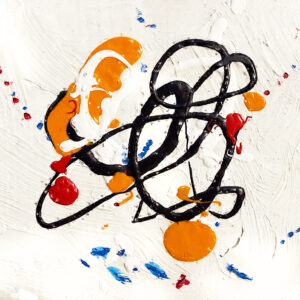
In a graffiti concerto, sound behaves visually. Brass might appear as bold strokes; strings as layered shading; percussion as sudden splashes of color. The musical “wall” is never static. It is constantly overwritten, reinterpreted, and re-energized.
Composers working in this idiom often draw inspiration from urban life itself—its noise, its density, its unpredictability. Just as graffiti emerges from the tension between public space and personal expression, this music emerges from the tension between orchestral tradition and contemporary sonic freedom.
Some works explicitly embrace this instability. Instead of developing themes in the traditional sense, they fracture them, repeat them in altered forms, or scatter them across the ensemble. The result is a musical environment that feels less like a composed narrative and more like a lived cityscape.
The emotional logic of impermanence
One of the most important aspects of graffiti as an art form is its impermanence. It can be painted over, erased, or transformed at any moment. Yet that fragility is also part of its power—it exists intensely in the present.
A graffiti concerto adopts the same emotional logic. Musical ideas appear vividly, then dissolve. Moments of clarity are interrupted by noise or contrast. Instead of building toward permanent resolution, the music emphasizes experience over conclusion.
This aligns with a broader shift in contemporary classical music: away from fixed structures and toward fluid, experiential forms. The listener is not guided to a final destination but moved through a shifting environment of sound.
The concert hall as a living wall
When performed, a graffiti concerto transforms the concert hall into something closer to an urban environment. The orchestra becomes a surface of constant re-inscription. The soloist moves through that surface like a traveling mark—sometimes blending in, sometimes standing apart, sometimes disrupting entirely.
What emerges is not chaos, but controlled intensity: a structure that feels alive because it refuses to remain still.
Conclusion: writing sound into space
The idea of a Graffiti Concerto ultimately expands what classical music can be. It dissolves boundaries between composition and visual art, between performance and improvisation, between permanence and ephemerality.
Like street art, it insists on presence. Like a concerto, it demands virtuosity and structure. And like both, it exists in the tension between control and freedom.
In the end, the most powerful graffiti is not the one that lasts the longest, but the one that changes how we see a surface. A graffiti concerto does the same for sound—it turns listening into seeing, and music into a living, breathing wall of expression.