
“I am seeking. I am striving. I am in it with all my heart.”
Vincent van Gogh
When contemplating a work of art—not merely as decoration but as a profound expression of creative intent—the words of Vincent van Gogh resonate with unmatched depth: “I am seeking. I am striving. I am in it with all my heart.” This declaration, simple in form yet vast in spirit, embodies the very essence of what distinguishes meaningful art from mere imagery. It speaks to an unwavering pursuit of vision, an emotional investment that goes beyond technique, and an artist’s profound commitment to explore, struggle, and ultimately give everything they have to the act of creation.
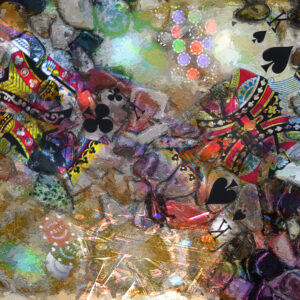
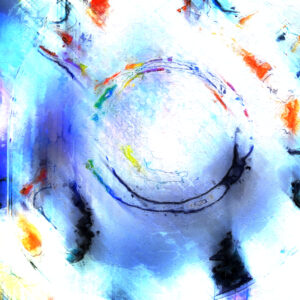
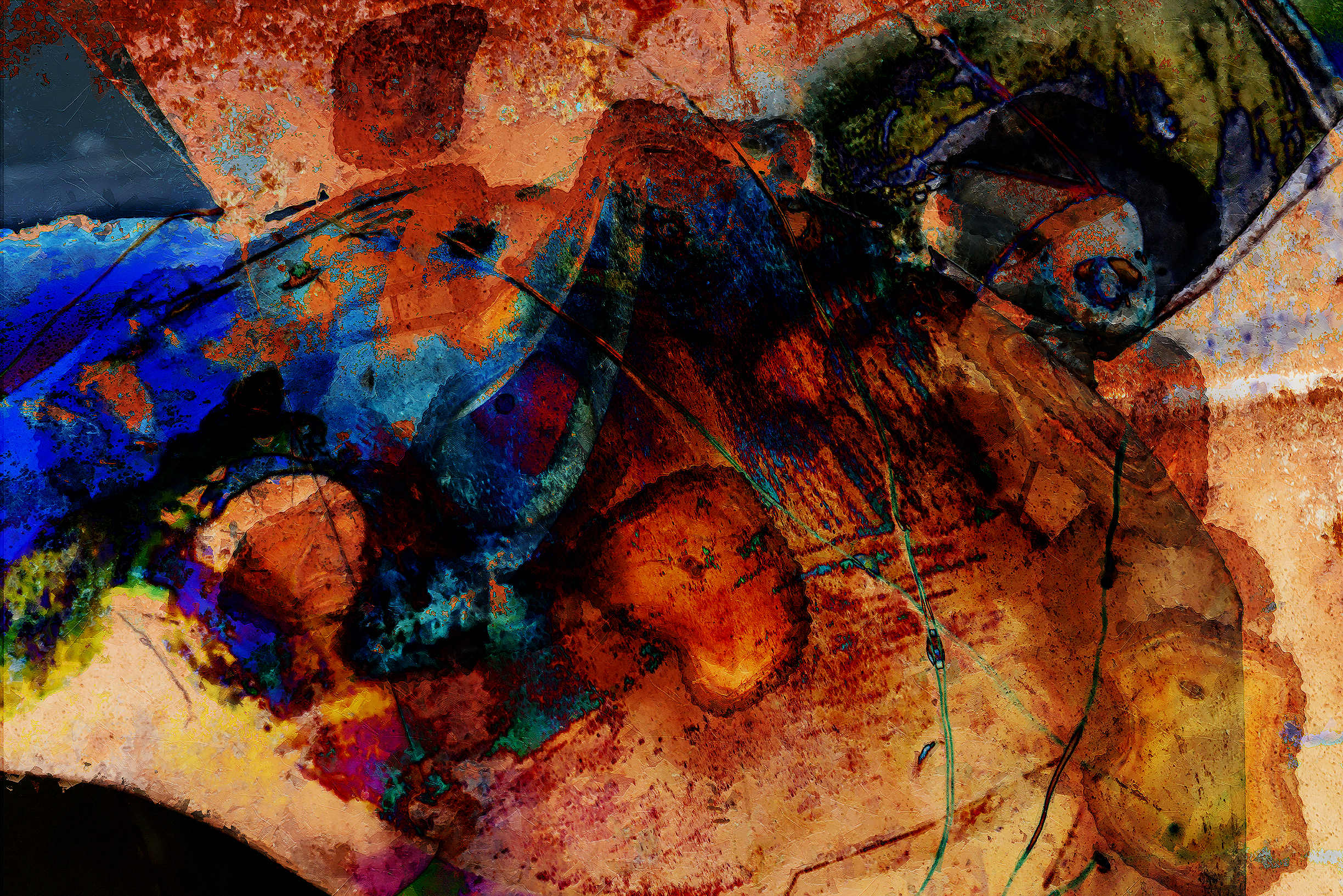
In this light, the abstract work Abstract Modern Wall Art — How Far Can We Go by Michael John Valentine becomes more than a visual statement. It is an invocation of that same passionate quest—a modern counterpart to Van Gogh’s inner journey. While the piece itself stands within the realm of contemporary abstraction, the sentiment above it invites viewers to interpret not just what they see, but what it means to be all in with one’s heart. It sets the stage for a deeper engagement with the work, where form, color, texture, and emotion converge.
The Heartbeat of Creation
Van Gogh’s quote is not merely inspirational—it’s diagnostic. He doesn’t speak of success, acclaim, or reward; he speaks of effort, authenticity, and total devotion. “Seeking” implies curiosity, a relentless search for truth or beauty even when the path is unclear. “Striving” suggests exertion, persistence in the face of difficulty. And “in it with all my heart” conveys not half-hearted interest but complete immersion in the process.
For collectors, artists, and admirers alike, this quote becomes a lens through which to approach How Far Can We Go. Abstract art by its nature invites subjectivity—no literal scene or narrative is offered—but when framed by Van Gogh’s words, the piece becomes an emblem of the artist’s inner resolve. The viewer is encouraged to reflect: what was sought? What was striven for? What emotional currency is embedded in each brushstroke, color field, and compositional decision?
Abstract Expression as Personal Testament
Abstract works such as those by Michael John Valentine are steeped in sensibility—layers of paint that evoke mood rather than depiction. Each mark is a trace of intention, a moment where a decision was made: to push a stroke one way instead of another, to let a shape emerge or let it dissolve. This willingness to engage with uncertainty mirrors Van Gogh’s own practice, where emotion guided brushwork, and personal truth eclipsed convention.
When Van Gogh declared his total commitment, he was describing the exact state of mind any artist enters when confronting a blank canvas—a willingness to expose vulnerability, to wrestle with form, and to let passion translate into pigment. In How Far Can We Go, that ethos may not be expressed as earthen clay or recognizable figures, but rather as the dance of abstraction—the alchemy of color, rhythm, and texture that invites the viewer not just to see, but to feel.
Bridging Artist and Observer
The power of Van Gogh’s line also lies in its universality. While the artist himself was a 19th-century post-Impressionist, his insight transcends period and style. It speaks as much to Valentine’s studio practice as to Van Gogh’s own turbulent career—rich with productivity, yet marked by struggle. The quote becomes a bridge between two artistic worlds, uniting them through the shared language of uncompromising devotion.
In placing it above How Far Can We Go, the curator or collector signals that this piece is not a decorative afterthought. Rather, it is a testament to the lifelong pursuit of expression. It invites viewers to linger longer, to allow their gaze to travel across the surface and then inward toward personal reflection. What does it mean to seek with all one’s heart? What are we striving for in our own lives—beauty, truth, connection, understanding? Such questions echo long after the initial encounter with the artwork.
The Emotional Architecture of Art
Art, at its finest, doesn’t simply deliver visual pleasure; it creates an emotional architecture—a space where memory, feeling, and imagination intersect. Van Gogh’s insistence on wholehearted engagement is a reminder that true art requires heart as much as skill. Whether it’s the swirling skies of The Starry Night or the gestural abstraction of modern pieces, the artist’s investment of self becomes the conduit through which spectators connect and reflect.
By positioning this quote above How Far Can We Go, it becomes part of the narrative tapestry. The work ceases to be static. It becomes dynamic, inviting interpretation and emotional resonance. The viewer is no longer outside the creative process but invited into the shared experience of seeking, striving, and investing heart.
A Collector’s Meditation
For the discerning collector, Abstract Modern Wall Art — How Far Can We Go is more than decoration—it is a meditation. The presence of Van Gogh’s quote elevates the viewing experience, framing the piece as an artifact of human intention and emotional rigor. It’s a reminder that every artwork—no matter its style, era, or approach—is ultimately an expression of life lived fully, pursued relentlessly, and given with total heart.
In this way, the quote does not simply adorn the wall; it animates the piece, inviting both contemplation and connection. It aligns the viewer with the artist’s inner voyage and, perhaps, with their own. Through this synthesis of text and abstraction, art becomes a living dialogue—a space where passion, perseverance, and profound engagement are not just acknowledged, but celebrated.